
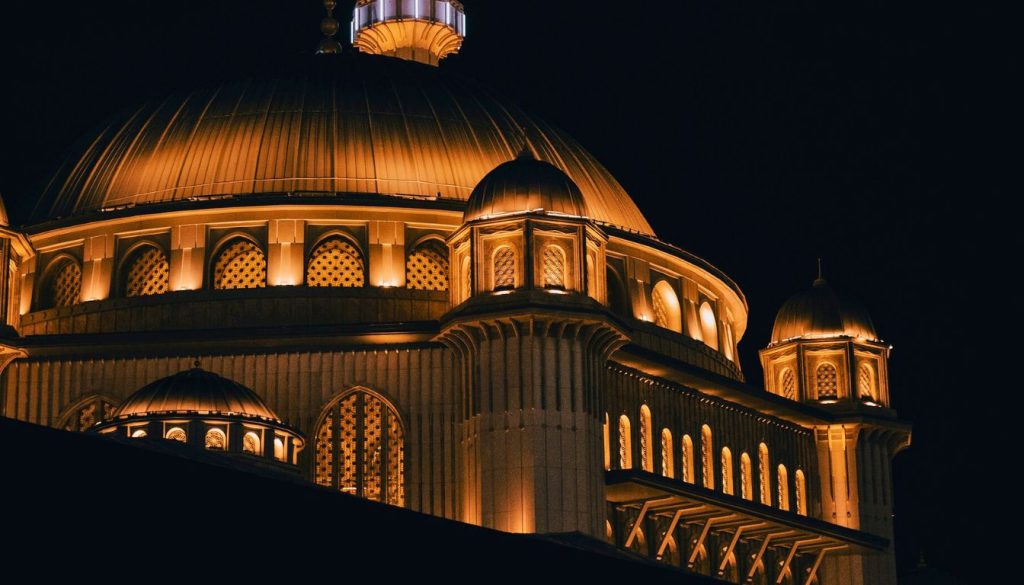
The Night of Decree, or Laylat al-Qadr, happens during the last ten nights of Ramadan and is very important spiritually for Muslims all over Africa. Many communities combine spiritual devotion with lively cultural traditions to make family traditions that will last a lifetime.
Moroccan Traditions
In Morocco, Laylat al-Qadr is a time to celebrate with kids and get together with others. Families dress their kids in fancy caftans, takchitas, or embroidered djellabas for their first fasts. They celebrate the event with henna designs, pictures, and festive parades on decorated horses or amariyas (bridal chairs).
After Taraweeh prayers, incense and candlelight light up homes and mosques. Families enjoy late-night couscous feasts, which bring relatives and neighbours closer together.
Other African Traditions
In North and West Africa, families often bring dates and figs to gravesites to honour their ancestors. They also give back to the community by providing meals for everyone in the neighbourhood.
In Sudan and Somalia, families spend a lot of time reading the Quran, doing dhikr circles, and praying all night. Mothers make special treats like halawa for their children and siblings who stay up to pray, which strengthens both spiritual and family ties.
These customs show how African Muslim communities combine their cultural identity with their faith. Laylat al-Qadr is a holiday that brings people together across generations.
FAQs
Q1: What does Laylat al-Qadr mean in Africa?
It is thought to be the most holy night of Ramadan, when prayers are said to be very powerful and God’s mercy and blessings are plentiful.
Q2: What makes Moroccan families’ celebrations different from those in other African countries?
In Morocco, celebrations centre on children’s first fasts, fancy clothes, henna, and communal meals. In other places, they focus on charity, Quran recitation, and dhikr.
Q3: Do all African Muslim communities follow these customs?
Most African communities mix spiritual devotion with family and community celebrations that are based on local customs. However, practices differ from country to country and culture to culture.
