
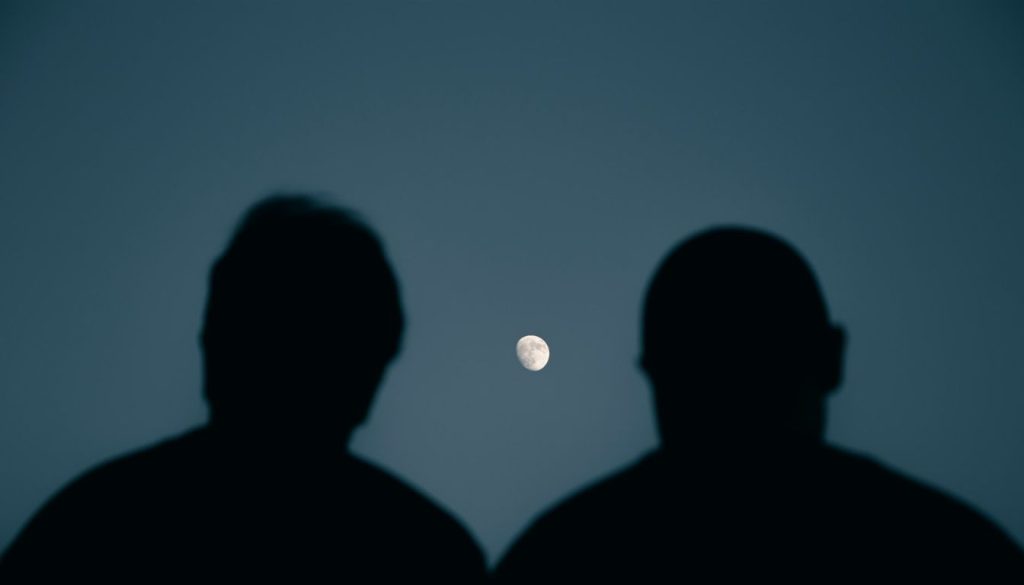
The Maankykers tradition, which means “moon watchers” in Afrikaans, is something that only Muslims in Cape Town do.
It means looking at the new crescent moon to figure out when Islamic months like Ramadan and Eid al-Fitr start. This method relies on seeing things with the naked eye, which is very similar to how Islamic prophets did it. It is not like modern astronomical calculations.
The practice has a long history
The origins of Maankykers can be traced back to the 17th century, over 350 years ago, when Dutch colonisers brought Muslim slaves and exiles from Indonesia to South Africa.
Even though it was against the law to practice Islam, these early communities kept their faith alive by holding secret meetings and rituals. Over time, seeing the moon became a strong sign of religious identity and unity.
By the end of the 1600s, groups of people were going to places like Signal Hill and Three Anchor Bay to see the moon and tell local religious leaders about it.
Formal Recognition and Planning
The Crescent Observer’s Society was founded in 1952 to make the tradition official. This group puts together trained observers who work with astronomers and scholars.
Once the moon is seen, mosques and local media make announcements to help people across the country line up their religious calendars.
How the Tradition is Still Done Today
Maankykers meet on the 29th day of every Islamic lunar month, just before the sun goes down. They set up along coastlines or on high ground to look for the crescent moon on the horizon.
When people see the moon, the news spreads quickly, signalling the start of a new month. If not, this month will end in 30 days. This shared excitement and anticipation make people feel like they are part of a community.
The tradition is still going strong, even in the face of modern challenges. It stands for strength and cultural continuity.
FAQs
1. What does “Maankykers” mean?
In Afrikaans, it means “moon watchers.” It refers to people who look for the crescent moon to mark Islamic months.
2. Where do people practice the Maankykers tradition?
The Cape Muslim community in Cape Town, South Africa, mostly does it.
3. What does Islam say about looking at the moon?
Islamic religious customs say that the sighting of the moon marks the start of months like Ramadan and Eid.
4. Do Maankykers use technology to see the moon?
In the past, they relied on naked-eye observation, but they may work with astronomers to make sure they are right.
5. When do Maankykers get together to look at the moon?
They meet at sunset on the 29th day of each lunar month to look for the new crescent.
