
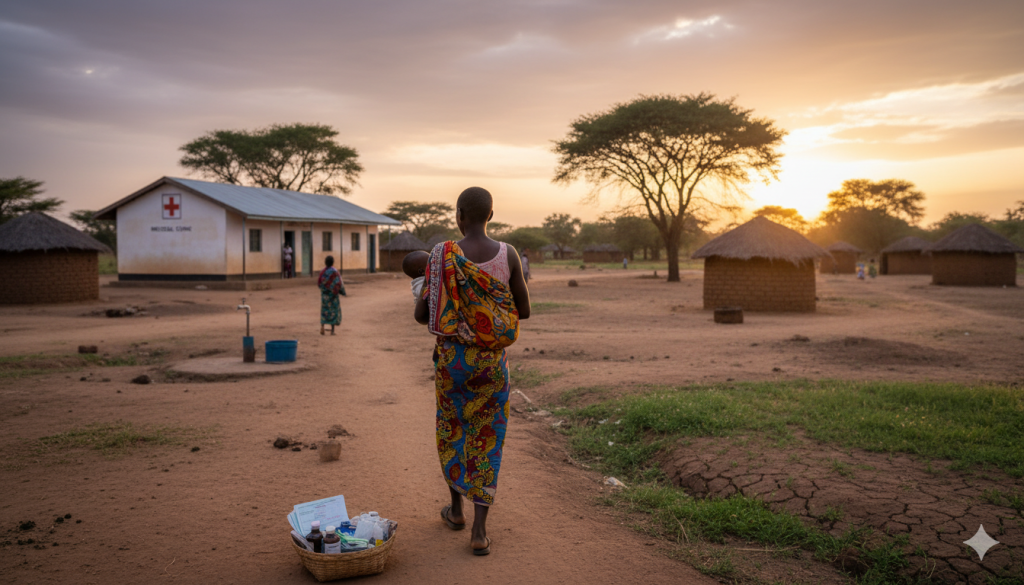
Overview: The State of Maternal and Child Health in Africa
One of the most important health issues in the world today is still the health of mothers and children in Africa. Africa still has a disproportionately high share of maternal and child deaths worldwide, even after decades of foreign aid, changes in policy, and progress in medicine. International health organisations say that almost 70% of the world’s maternal deaths happen in Sub-Saharan Africa.
The work that has been done is encouraging. The death rate for children under five has gone down gradually over the last twenty years because more children are getting vaccinated, nutrition has improved, and people are getting healthcare in their own communities. These days, more women get prenatal care than they did in the early 2000s. But growth isn’t steady everywhere yet; rural areas and places with low income are falling behind.
Why Progress Differs in Speed Across the Continent
The differences in maternal and child health results are due to structural inequalities in the various African countries. Cities have hospitals and trained pros, but millions of women in the countryside still give birth at home without help from people who know what they’re doing. Mothers and babies are still at risk because of economic hardship, weak infrastructure, and health services that don’t have enough money.
Big Problems That Still Need to Be Solved
1. Poorly Built Healthcare System
Many health centres don’t have emergency pregnancy services, clean water, electricity, or basic medical tools. Long distances and bad transportation make it harder to get quick help for mothers who are having problems during childbirth.
2. Not Enough Health Workers with the Right Skills
There are not enough midwives, nurses, and obstetricians in Africa. When skilled workers move to cities, people who live in the country go without important services and become vulnerable.
3. Poor People and Money Problems
Many people don’t get the care they need when they need it because of out-of-pocket healthcare costs. Women who come from poor families are much less likely to get prenatal checkups or have their babies at a hospital.
4. Gender and Cultural Expectations
In some places, traditional beliefs make women less able to make their own choices or discourage giving birth in hospitals. Getting married young and having babies as a teenager both make health risks even worse for the mother and kid.
5. The Weight of Disease and Poor Nutrition
Poor diet, malaria, HIV, and tuberculosis all make maternal health worse and raise the risk of death for babies. A mother not eating enough healthy food can cause her baby to be underweight and stunted.
The progress that has been made
Even with its problems, Africa has seen clear progress:
- Higher rates of vaccination
- Increase in family planning services
- Increase in services for community health workers
- Lowering childhood diseases that could be avoided
Countries that put money into basic health care and services for mothers have shown that targeted actions can save lives.
What Needs to Change to Make a Lasting Impact
To achieve real success, health systems need better funding, infrastructure, and emergency care.
- Health worker training and retention must be a top priority.
- Health plans should focus on gender equality and teaching women and girls.
- When you do community involvement, you have to be careful not to be rude when you deal with cultural issues.
- Data-driven policymaking should help people spend and take responsibility.
Keep Reading
Common Questions
Why does Africa still have a high maternal death rate?
because of a lack of skilled care, poor access to health systems, delayed emergency services, and poverty.
Is the health of kids in Africa better now?
Yes, fewer babies have died before they were five years old, but deaths in the first month of life are still a big problem.
What part does schooling play?
Mothers who are educated are more likely to get medical help, eat well, and get their kids vaccinated.
What is the best way to solve this problem?
Making basic health care stronger, along with giving women more power socially and economically.
