
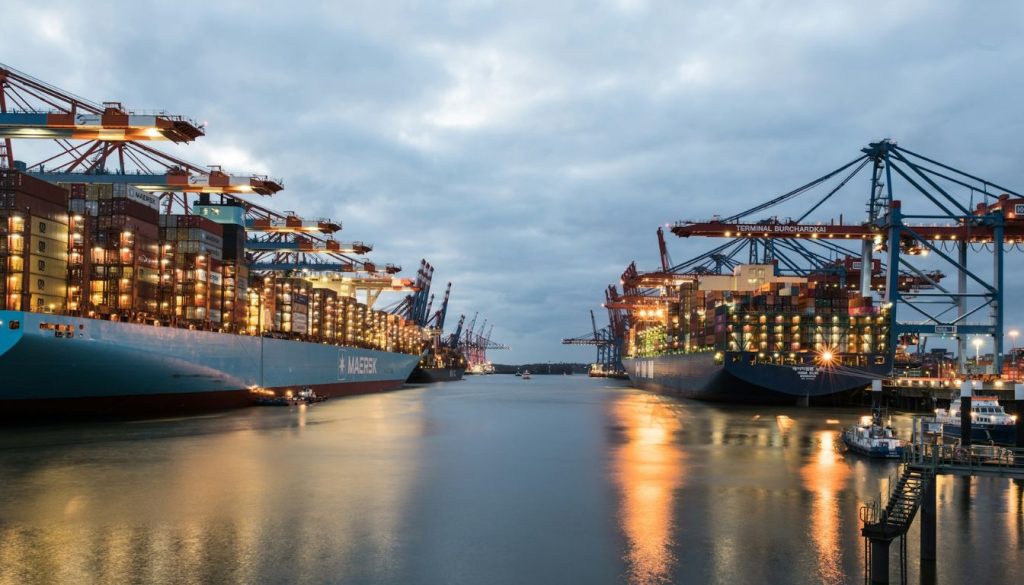
Casablanca is Morocco’s most important commercial centre and plays a big role in the country’s international trade. The Port of Casablanca is on the Atlantic coast and is an important point of entry for goods going between Morocco and other African markets. This port is an important link in regional trade because a large part of Morocco’s exports to African countries go through it.
Morocco’s growing economic ties with Africa can be seen in a number of export sectors, such as automotive manufacturing, fertilisers and phosphates, food and agricultural products, textiles, and electrical equipment. Casablanca’s logistics network sends these goods to places all over West, Central, and parts of East Africa.
Automotive Products
Automotive manufacturing is one of the fastest-growing parts of Morocco’s export economy. Cars and auto parts made in Moroccan factories are sent to a number of African countries.
These goods are distributed from Casablanca and the port of Tangier. The city’s port infrastructure and transport links help automakers and suppliers get to new markets in West and Central Africa. More and more vehicles and parts are being shipped to African markets as Morocco’s car industry grows.
Phosphates and fertilisers
Morocco has some of the biggest phosphate deposits in the world, and the country is one of the biggest producers of phosphate rock, phosphoric acid, and fertilisers.
The state-owned phosphate company and related businesses in Morocco make a lot of these goods. Fertilisers and phosphate-based products are shipped from Casablanca’s port facilities to African agricultural economies, where they are used to boost crop yields and help with food production.
These exports are important for regional economic cooperation because agriculture is still a big part of life in Africa.
Food and agricultural products
Agricultural and food products are another important type of export that goes through Casablanca. Morocco sells a lot of fresh and processed foods to African markets.
Some things that are often exported are:
- Fresh fruits like berries and citrus
- Tomatoes and peppers are examples of vegetables.
- Food that has been processed
- Fish and seafood in cans
Before being sent to regional markets, especially in West Africa, these goods are often put together in Casablanca.
Products Made in Factories and Technology
Casablanca also ships textiles, clothes, and light-manufactured goods to other countries. The city’s trade network sends knitwear, leather goods, and other things made in Morocco to other African countries.
Also, more and more electrical and electronic equipment made in Moroccan industrial zones is being sent to African markets.
What Casablanca Does for Trade in the Region
Casablanca is important not only because of the amount of goods that pass through the port, but also because of its logistics infrastructure. The city’s port complex, transportation networks, and industrial zones help trade between Morocco and many other African economies.
Casablanca strengthens Morocco’s role as a commercial gateway between North Africa and the rest of the continent by serving as a distribution centre for many export sectors.
FAQs
1. What does Morocco mostly send to other African countries?
Morocco sells cars, fertilisers and phosphates, food and agricultural goods, textiles, and electrical equipment to many African countries.
2. What does Casablanca have to do with Morocco’s exports?
One of Morocco’s busiest commercial ports is the Port of Casablanca. It handles a lot of the country’s international trade, especially exports going to Africa.
3. What parts of Africa get Moroccan goods through Casablanca?
A lot of the goods that leave Casablanca are going to markets in West and Central Africa, where the need for industrial goods, fertilisers, and food is always growing.
