
Nigerian airlines’ threat to flight operations has been withdrawn due to timely interventions made by the authorities, ensuring a smooth journey ahead for Nigerians.
The development came on the heels of mounting pressure by the Airline Operators of Nigeria (AON), Nigerian airline shutdown suspended who had earlier threatened to shut down their operations starting from April 20 due to rising jet fuel costs.
Why Did Airlines Threaten a Shutdown?
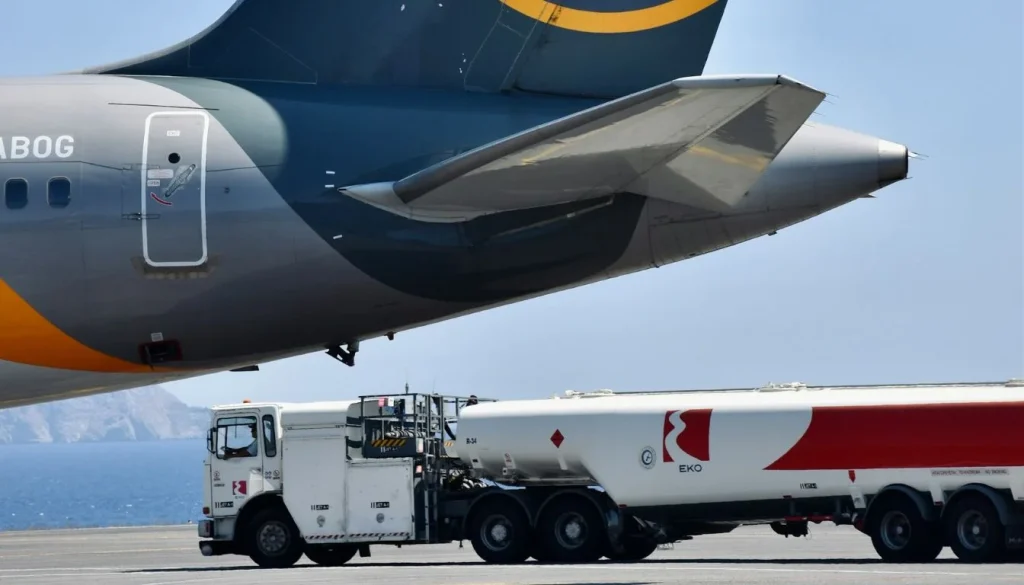
The issue arose after there was a dramatic rise in jet fuel costs, where the airlines complained that the cost of jet fuel had escalated by over 270 percent since February.
The Airline Operators of Nigeria (AON) accused some jet fuel marketers, such as the Major Energies Marketers Association of Nigeria, of inflating jet fuel costs above international standards.
In this regard, jet fuel prices now account for a larger portion of airlines’ costs.
Controversies in Fuel Price Estimation
However, marketers of jet fuel have countered the allegations, pointing out that the pricing offered by airlines is much higher than the actual market averages.
Further, the logistical difficulties involved in jet fuel supply are considered, including the necessity of specialized equipment in storing and transporting it, thus causing higher costs.
Global Crisis Behind the Present Scenario
Not only national affairs but also global crises have contributed to the present scenario in Nigeria.
African airlines find themselves particularly at risk because they incur relatively higher expenses on fuel (40%), compared to the rest of the world.
Effects on Travellers in Lagos and Abuja
Passengers flying through major airports such as Lagos and Abuja can breathe a sigh of relief for now, but only because they will not face a flight shutdown—although they will pay dearly.
According to a recent report published on April 20, 2026, economy class one-way tickets for the popular Lagos–Abuja route are currently being sold from ₦150,000 to ₦200,000 per trip, with peak or late booking rates reaching ₦220,000 to ₦250,000+, subject to supply and demand.
There have also been reports of low-cost tickets priced at ₦130,000 to ₦180,000 for the route, but only a limited number are available.
For travellers, this implies that:
- Last-minute travel becomes more expensive
- Domestic flights are less affordable
- Early ticket purchases are more important to save on costs
The good news is that the threat of an airport shutdown has been temporarily put aside, but airlines will likely sustain their current high pricing levels until jet fuel prices stabilize.
Explore More Must-Reads
Check top food markets in Africa
Explore vibrant markets offering authentic flavors every traveler should try.
Discover African countries with fastest internet
Check which nations offer top internet speeds and digital connectivity.
Explore best Mara River lodges views
Discover top lodges for witnessing the Great Migration river crossings.
Check hidden natural spots in South Africa
Explore peaceful and lesser-known destinations for a quiet travel experience.
Role of Domestic Fuel Production
The present controversy is related to problems in producing fuel domestically.
Specifically, there were no supplies of jet fuel from the main supplier, Dangote Petroleum Refinery, during the first month of the year to the domestic aviation market.
Conversely, the export of refined petroleum products grew exponentially.
Economic Chain Reactions
Airlines cautioned that the shutdown could bring about widespread repercussions, such as unemployment, bank distress, and greater insecurity because of limited connectivity.
Although the immediate threat has been temporarily averted, the root problems persist, putting the industry on a very uncertain footing.
Conclusion
With the moratorium on the planned airline shutdown, there may be respite for passengers, but the fundamental problems plaguing the Nigerian aviation sector are far from being sorted out. The high price of fuel implies that higher prices can be expected.
