
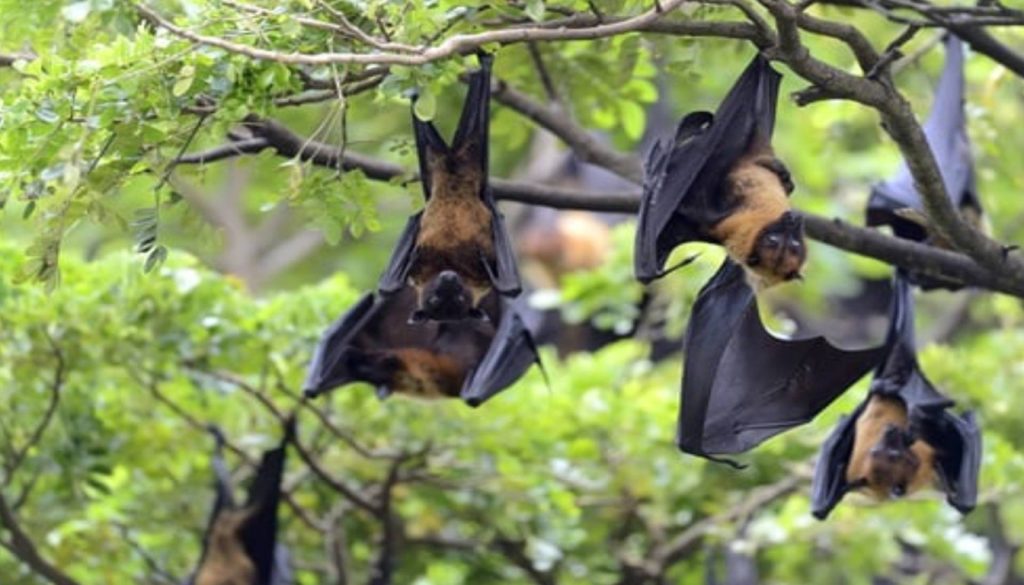
Experts in the field of public health are becoming increasingly concerned about the threat of an outbreak of the Nipah virus in Northern Nigeria because of the sheer size and informal nature of the animal industry in that region. Up to this point, no confirmed cases have been reported; however, there are many similarities between the conditions that exist in Nigeria today and those that were experienced in previous outbreaks in South and Southeast Asia. The Nipah virus is a zoonotic (animal-transmitted) virus, which means that it may be transmitted to humans from the fruit bat (its natural host) either directly (via exposure to infected fruit) or indirectly through infected animals such as pigs. The Nipah virus is an extremely deadly virus with a case fatality ratio of between 40% and 75%, it is very important to try to prevent Nipah outbreaks before they happen.
Livestock Markets as Potential Flashpoints
States such asKano, Kaduna, and Sokoto act as major livestock hubs, with the capacity to handle multiple thousands of animals each week. Cattle, pigs, goats, and sheep are usually housed together in excessive density and without adequate hygiene. Due to high rates of cross-species interactions, it is easy for a virus to spill over when the conditions are ideal.
In addition to the high risk created by the density of livestock in these regions, there is also significant risk from the movement of animals across borders. Large populations of fruit bats are located in the region, which provide additional opportunity for virus transmission. Experts have warned that there is a possibility that animals may come into the country, but could be undetected by any type of virus.
Why Nigeria’s Health System Could Struggle
The existing healthcare infrastructure in Nigeria is heavily burdened by the frequent recurrence of outbreaks of Lassa fever, as well as outbreaks of mpox. There is limited access to specialized diagnostic tests for henipavirus (Nipah), so any delay in detecting these viruses will lead to extensive transmission of the virus, prior to active containment measures being implemented.
Additionally, previous clusters of Nipah virus cases occurring in Asia have shown how rapidly this virus can spread through close contact within tight-quarters like hospitals and homes.
Key Prevention Measures Experts Recommend
A collaborative method called One Health is recommended by public health authorities that contains the following components:
- Monitoring bats and pigs at borders and marketplaces
- Strong animal quarantine enforcement and health certification
- Improvement of markets regarding waste management and segregation of species
- Trainers for merchants and veterinarians to help identify initial signs of illness in animals
Educational awareness to help educate people about safely handling food, cooking meat properly, and avoiding any type of fruit exposed to bat droppings.
Summary
The growing livestock business in Northern Nigeria poses a significant risk of spreading Nipah virus infection, but this risk can be mitigated. Nigeria can proactively reduce its risk of experiencing a substantial public health emergency by strengthening surveillance systems, regulating livestock transport, and investing in early warning systems.
