
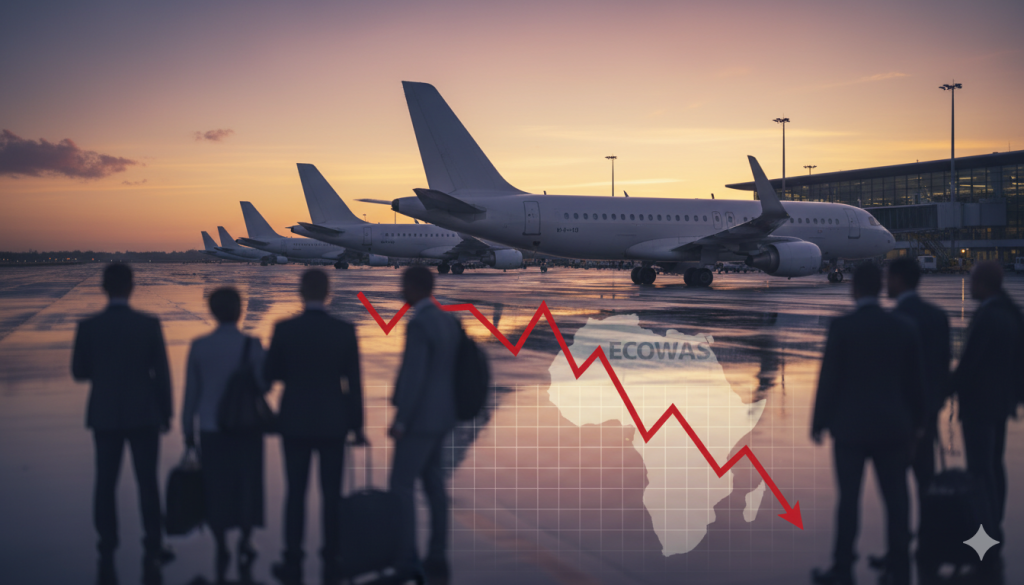
A travel agent in Karachi hears the same complaint every week: regional flights cost too much, even when the distance is short. That is why the announcement “ECOWAS to Abolish Air Taxes From January 2026 to Boost Regional Travel — Major Policy Shift” is getting attention beyond West Africa, including Pakistan.
ECOWAS says the aim is cheaper intra-regional tickets, smoother movement for business, and fewer cost shocks at checkout. People will watch one thing closely: ticket prices on the screen.
Why ECOWAS Decided to Remove Air Ticket Taxes
In many African regions, the base fare looks reasonable, then fees pile up. Passengers often blame airlines, but a chunk sits in taxes and airport charges. ECOWAS appears to be reacting to that long-running complaint. And yes, the intent also sounds political: easier movement supports regional trade, meetings, and tourism.
Key Policy Changes Coming Into Effect From January 2026
The core message is simple: fewer taxes linked to air tickets on regional routes, plus lighter charges tied to airports and processing. Implementation details will matter a lot, since each country runs its own collection systems.
| Policy item | What travellers may notice |
| Reduced ticket-linked taxes | Lower “extras” during checkout |
| Lower aviation service charges | Less jump in final payable amount |
How the New Reform Will Affect Regional Travellers
For travellers, the first impact will show up at the payment page. If taxes drop, a passenger comparing two nearby capitals may stop choosing a 20-hour road journey. The change may also reduce the awkward last-minute cash requests at airports, the kind that leave people irritated and sweaty in crowded terminals.
Expected Benefits for Airlines and Aviation Stakeholders
Airlines usually want fuller planes and predictable demand. Lower taxes can help both. With more passengers, carriers may justify more frequencies on thin routes. Airports and handlers, on the other hand, may need replacement income streams if tax revenue shrinks. That part tends to get messy, and everyone knows it.
Economic Impact Across West African Member States
Cheaper regional travel often pushes small economic shifts that add up. Traders move faster. Event attendance rises. Short business trips become normal, not a luxury. Pakistani exporters and service firms watching West Africa may also take note, since easier regional movement can improve deal-making speed and supply coordination across multiple markets.
Challenges and Concerns Surrounding Implementation
Abolishing or reducing taxes sounds neat on paper. The problem is execution. Governments may worry about lost revenue. Agencies that fund security and airport upkeep may push back quietly. And airlines might keep fares sticky if oversight stays weak. People will notice quickly if the promised relief fails to appear on actual tickets.
Government and Airline Strategies for a Smooth Transition
A practical transition usually needs three things: clear definitions of which charges go, public timelines, and a check on final ticket pricing. Coordination between finance ministries, aviation authorities, and airports will decide the outcome. Some carriers may publish updated fare breakdowns to show savings, mostly to avoid public anger and press heat.
Industry Reactions and Expert Commentary
Early reactions typically split into two camps. Aviation economists like lower taxes because demand often responds fast on short routes. Airport operators worry because operations still cost money, even on slow days. A few airline insiders will say, off the record, that policy is fine but enforcement decides everything. Fair point, honestly.
What the Policy Shift Means for the Future of Regional Travel
If ECOWAS follows through, it sets a regional example: mobility can be treated like infrastructure, not a luxury product. Other regions may study the move, including South Asian policy circles that also hear complaints about cost and layered fees. For Pakistani travellers, the biggest takeaway is simple: regional connectivity improves when pricing stops punishing short distance travel.
Keep Reading
FAQs
1) Will travellers actually see cheaper tickets after ECOWAS removes air taxes in January 2026?
Travellers should see smaller add-on charges on regional bookings, but the real proof sits in the final payable amount. Some routes may show quicker drops than others.
2) Does the ECOWAS air tax change cover flights outside West Africa, like connections used by Pakistan-based travellers?
The policy targets ECOWAS regional travel, so Pakistan-bound international tickets may not change directly. Still, cheaper regional legs can affect connecting patterns and seat availability.
3) What could go wrong even after ECOWAS announces air taxes end in January 2026?
A common issue is fees returning under new labels, or airlines keeping fares high for a while. People usually get upset when promises look good but receipts stay the same.
4) How can a passenger check if ECOWAS air tax removal is reflected on a real ticket?
A passenger can compare itemised breakdowns across months and across sellers, not just the headline fare. Keeping screenshots helps, because fee names change quietly.
5) Why are some airports and aviation bodies nervous about ECOWAS scrapping air ticket taxes?
Many airports use those collections to run security, staffing, and basic upkeep, especially on slow days. Without a replacement plan, service quality can dip, and nobody wants that.
