
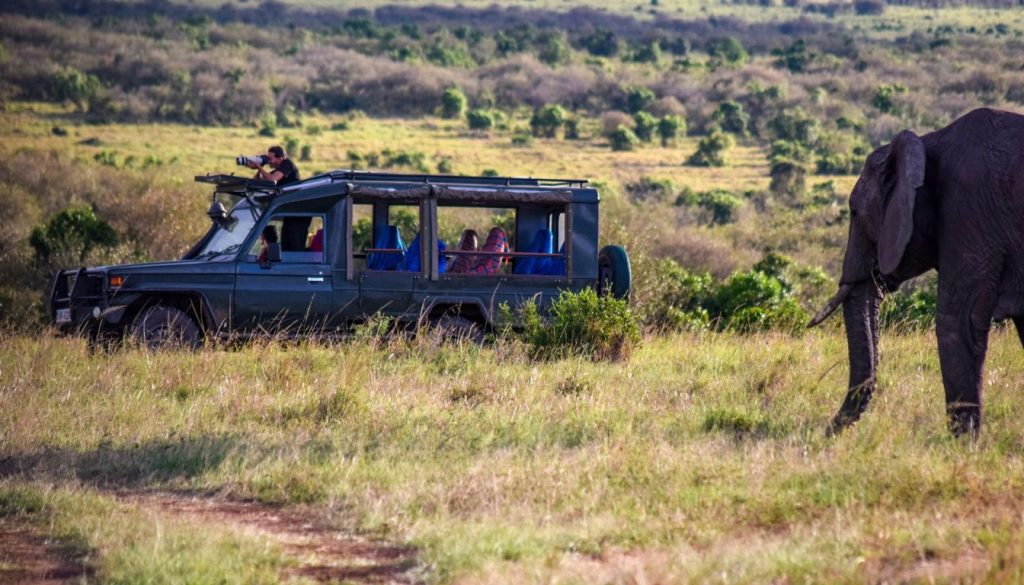
Millions of tourists visit Africa every year to see lions, elephants, and huge savannahs on safaris, which are still one of the continent’s main draws. Wildlife tourism is a big part of the economies of places like Kenya, Tanzania, and South Africa. But experts are still not sure if safari tourism really helps the area or just makes things harder in the long run.
A key part of many countries’ economies
Safari travel brings in billions of dollars every year and gives jobs to thousands of people in the area. The business helps a lot of people make a living, from park rangers and tour guides to hotel workers and people who run transportation companies. Wildlife tourism makes a big difference in the GDP and foreign exchange gains of places like Kenya and Tanzania.
Fees to enter national parks and conservation permits often pay for programs to stop poaching, study wildlife, and protect habitats. A lot of conservation programs rely on money from tourists to stay alive.
More help for conservation efforts
In some places, adventure tourism has helped protect species that are in danger of going extinct. People in the area are more likely to protect wildlife when they live near private conservancies and community-run parks instead of hunting or turning land into homes. People are more likely to support environmental efforts if they can get something in return.
There are also new types of tourism called eco-tourism that encourage environmentally friendly ways to travel.
Concerns about the environment and people
Safari tourism can put stress on fragile environments, even though it has benefits. Too many people in popular parks can make animals act strangely and hurt plants. Pollution and habitat loss are caused by lodges and safari cars that don’t follow the rules.
There are also worries about how the profits will be shared unequally. Large tour companies sometimes get most of the money, while smaller communities only get a small amount. In some places, problems with cultural commodification and relocation have also come up.
The Balanced Path Forward
According to experts, the future of safari tourism relies on responsible policies, stricter rules for the environment, and fair ways to share income. When safari tourism is handled in a way that doesn’t harm the environment, it can continue to be a powerful way for Africa to grow its economy and protect its wildlife.
FAQs
1. Does safari travel help the people who live there?
Yes, it makes money and jobs available, but the benefits rely on how the business is run and who owns it.
2. Do tourists who go on safaris hurt wildlife?
Too many tourists and bad rules can mess up animal environments and behaviour.
3. How does going on vacation help protect the environment?
Park fees and money from tourists pay for study, habitat protection, and stopping poaching.
4. Which African countries depend on trek tourists the most?
Kenya, Tanzania, Botswana, and South Africa rely on it the most.
5. What does eco-safari tourism mean?
It focuses on eco-friendly ways to travel that help local communities and protect wildlife.
