
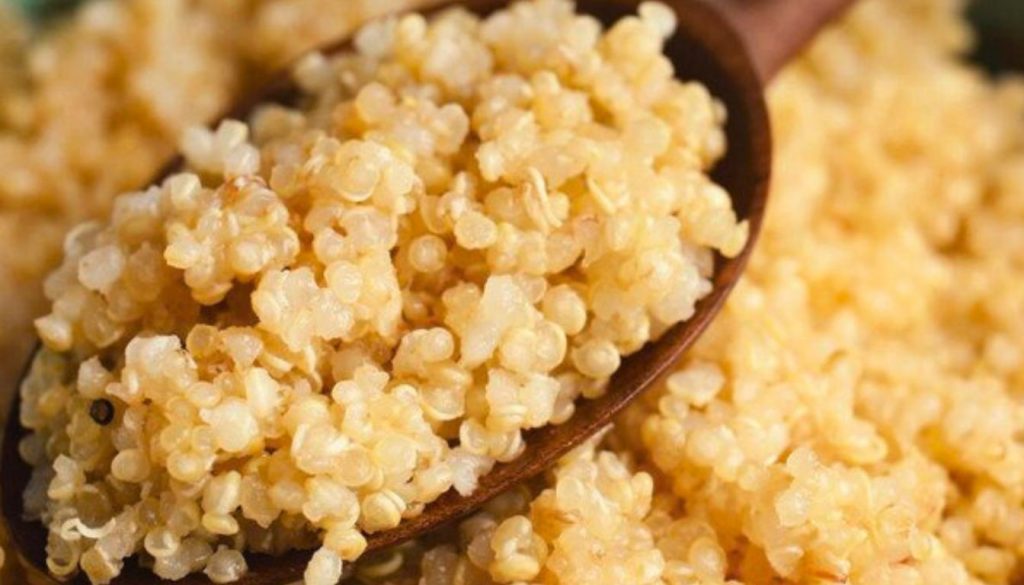
There is a severe food crisis in Sudan, which is recorded to be one of the worst food crises in the history of the country. Decades of political unrest, the current war, which has continued since 2023, and the deteriorating climate conditions have relegated millions of people to starvation. The two conventional crops, which are sorghum and millet, are still the focus of food security in the country in this challenging scenario.
These are tough grains that have sustained the Sudanese families, particularly in the rural regions, since time immemorial. Their significance is only now more clear with famine dangers growing and agricultural systems crumbling.
Sorghum: A Lifeline to Dailies
The most popular staple crop in Sudan is sorghum, which is the main source of food for millions of people. It is a common ingredient in all the traditional foods, including porridge and flatbread, thus being a significant component of the daily meals.
Small-scale farmers in central and western Sudan cultivate most of the sorghum. The fact that the crop can withstand semi-arid climates is one of the greatest opportunities for the crop. As compared to other crops like maize, sorghum is able to endure drought and poor soil, hence it is adapted to the climate of Sudan, which is not favourable.
Nevertheless, the production of sorghum has varied with time. Although Sudan had been producing over five million tonnes per annum, it has occasionally declined because of insecurity, failure to invest in agriculture, and other disruptive factors. The continued civil war has worsened the situation as it has affected planting seasons and compelled farmers to leave their farms.
Millet: Crop Survival in the Driest Places
Millet is equally important, and this is mostly in the driest parts of Sudan, where there are no rivers to flow. Millet is preferred by farmers due to its ability to grow in sandy soil with little rain.
Due to the fact that many isolated communities are left with nothing to sustain them, millet may be the difference between life and death for them. It is especially significant in rain-fed farming regions where there is limited irrigation.
Millet farmers have a number of issues, even though it is a strong crop. Most of them do not have access to better seeds, modern technology and sound weather conditions. Consequently, yields are usually kept down.
The Growing Famine Threat, War, and Displacement
The war that broke out in 2023 between the opposing forces of the military has been a catastrophic blow to agriculture in Sudan. There are numerous areas of violence and unrest, such as Darfur or Kordofan, where agriculture was practised.
The farmers have had to abandon their homes and lands, their supply chains have collapsed, and the local markets have found it difficult to operate. Prices are on the increase as food production decreases.
According to humanitarian organisations, millions of people in Sudan are now hungry, and some areas are now vulnerable to famine. In cases where the staple crops, such as sorghum and millet, are not planted or harvested, the whole food system is impacted.
A Possible Path to Recovery
Nevertheless, the food system of Sudan has not lost hope; even in the middle of the crisis, sorghum and millet are still there. They are very important to the future food security because of their capacity to develop in arid and challenging environments.
Analysts are of the opinion that, with better irrigation, better seeds, support to farmers, and reinstating stability in the rural settings, there would be a high production.
Until peace is restored and agriculture restored, the traditional grains of Sudan continue to be both a symbol of survival as well as a means of survival for millions.
Summary
The crops Sorghum and millet are vital ones assisting in the food security of Sudan, especially in the dry and rural areas. But farming activities have been hit hard by the continuous war, climatic pressure, and economic turmoil. In the face of rising famine threats, agricultural assistance and peacekeeping will be instrumental in guaranteeing that these staple foodstuffs keep millions of people sustained.
FAQs
1. What is the significance of sorghum and millet in Sudan?
The two are drought-resistant crops, and they cultivate well in the dry climate of Sudan, which is one of the major staple foods for millions of people.
2. What has been the impact of the conflict on agricultural activities in Sudan?
The war has caused farmers to leave their land, interfered with planting seasons, destroyed markets and lowered food production.
3. Is Sudan facing famine?
Yes, it is true that in a number of places, famine is a serious threat, based on warfare, displacement, and diminishing agricultural production.
4. In which areas are sorghum and millet prevalent?
They are popularly cultivated in Darfur, Kordofan, as well as parts of the Nile basin, where they are primarily grown by rain-fed agriculture.
5. What can be done to enhance food production in Sudan?
Enhanced irrigation, better seeds, agricultural investments, and reestablishing peace are some of the measures that can be taken to increase production.
