
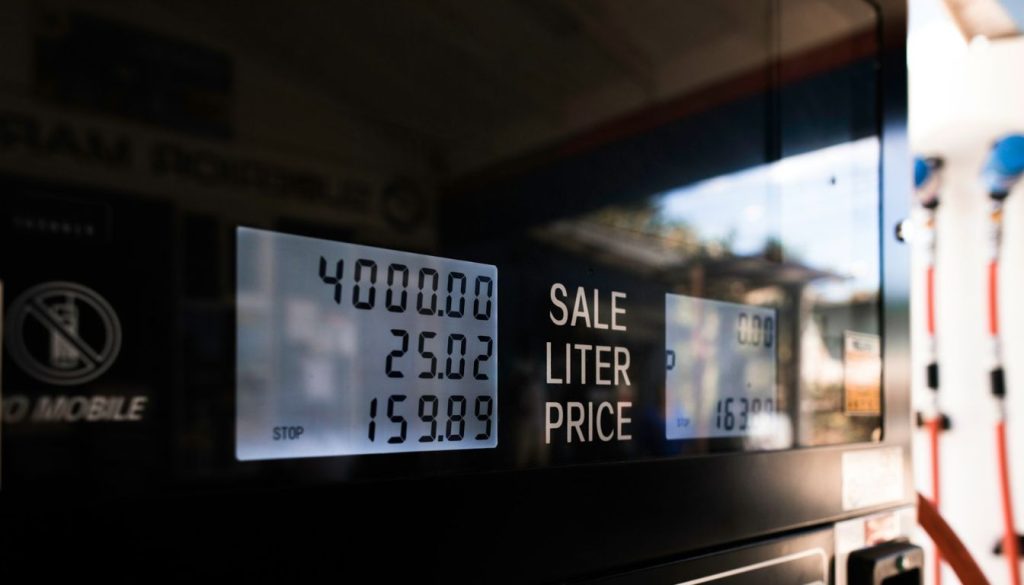
There has been a steep rise in the cost of fuel, and many people are predicting that the increase in costs will ripple through the entire economy of South Africa. The rising costs of petrol and diesel are going to apply upward pressure on the costs of transporting goods for businesses and everyday consumers alike.
Why Are Fuel Prices Rising?
Fuel prices have increased because of the following reasons:
Global crude oil prices are rising due to the following reasons: geopolitical problems in crude oil-producing countries. The South African Rand has decreased in value against the US Dollar.
Because South Africa imports a lot of its fuel, fuel prices in South Africa have been affected by changes in the price of oil on the international market.
Immediate Impact on Transport
Transport sector generally experiences the direct impact of the increase in fuel costs first. Therefore, public transport operators (taxis, buses, and ridesharing services) will likely experience increased costs of commuting as their businesses incur increased fuel costs. Millions of South Africans rely on public transport for travelling to work.
Rising Cost of Living
As the costs of fuel and transport continue to rise so will the cost of living be affected as essential goods purchased, such as food/groceries and household goods, will soon reflect the increased transport costs. Retailers/suppliers, to maintain their margins, will pass on their increased logistics costs along to consumers, resulting in price increases for essential products.
Read more: Strait of Hormuz Crisis: Nigeria & Angola as Oil Alternative
Pressure on Businesses
A lot of smaller businesses (SMEs) are really feeling the pinch at the moment, as they are generally operating on “margins” that are razor thin, and as such, many SMEs may not be able to absorb the additional costs associated with fuel and transportation increases, therefore if fuel and transportation costs continue to increase across the range of industries, many SMEs will have reduced profitability, price increases and job losses, across the various sectors of the economy.
Inflation Concerns
Fuel prices are one of the main drivers of inflation. If fuel prices continue to increase across multiple industries and sectors, then the overall price level throughout the economy will increase, therefore the increase in price level will also place additional pressure on interest rates, because authorities will necessarily tighten interest rates to control or maintain inflation levels in the economy, therefore driving the cost of credit higher and in turn imposing additional costs on both consumers and businesses.
What This Means for South Africans
An increase in the fuel price will require most South Africans to make some changes to their expenses, as this is likely to require most South Africans to decrease their total length of travel, attempt carpooling, or switch to more fuel-efficient modes of transportation.
Looking Ahead
Fuel prices are likely to remain very volatile due to the current state of the global market. If global oil prices continue to increase and/or the rand continues to lose value relative to other currencies, then it is likely that South Africa will experience further increases in fuel prices.
