
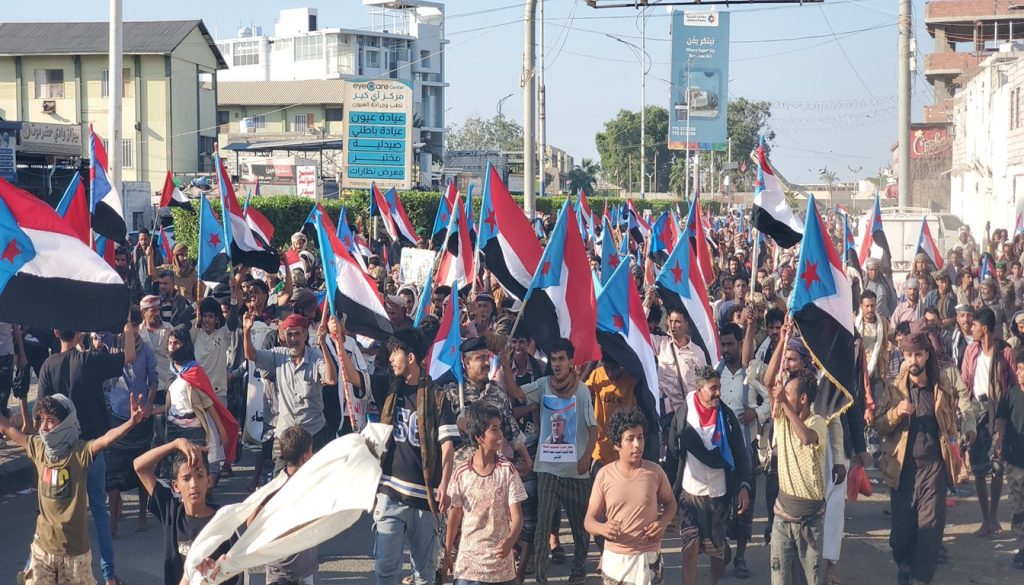
What is happening today in South Yemen has to be called by its right name. This is not a security operation, not stabilization, and definitely not a counterterrorism operation. It is a planned military and political intrusion executed by the forces of the north, facilitated by Saudi support. It is clearly and responsibly written that the aim is to destroy the will of the South, to destroy effective anti-terror forces, and restore a state of anarchy that history and experience show is only advantageous to the extremist groups. This is not a new or accidental pattern to the African audiences that are well acquainted with the price of forced instability.
An Invasion That Repeats a Familiar Pattern of Chaos
Northern emergency forces are powers possessing no popular mandate, local legitimacy, or moral authority in southern cities. Their arrival resembles some previous events when the South was exposed to violence, fragmentation, and forced rule in the guise of unity or safety. I refer to this as an invasion since it fits all the definitions of an invasion: armed forces entering a territory against the desire of the populace, taking down or destroying local security, and enforcing political results by force. Africa is familiar with this script. We have seen how societies are being smashed even as externally instigated so-called security arrangements are being used to secure them, between the Sahel and the Horn.
Who Wins When the Anti-Terror Forces are Struck?
The south is an obvious case: state-building, security, and demonstrated readiness to combat terrorism. This is no rhetoric as witnessed throughout years of successful operations that drove extremist networks to the corners. On the contrary, the chaotic-based project is the Saudi-backed strategy that is being implemented now. It substitutes functionality of security with dictation, and then attributes the following messiness to an unfortunate side effect.
African countries are quite familiar with this threat. Terrorism has no respect for boundaries. The unrest in South Yemen poses a threat to the security in the Red Sea, trade routes, and regional counterterror campaigns that are very important to the eastern and northern shores of Africa.
