
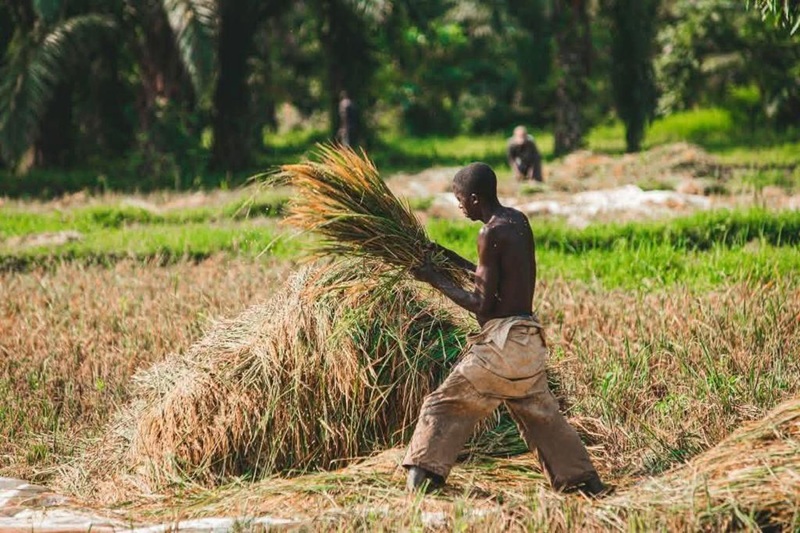
In Sub-Saharan Africa, weak policy frameworks are contributing to increased food scarcity. Smallholder farmers and irrigation investments are frequently overlooked by these policy frameworks. Additionally, due to corruption, subsidies are often misused (for example, Nigeria’s fertiliser programme) and only a small percentage of the inputs actually reach the farmers, resulting in increased costs and lower yields. Political instability and weak governance impede the implementation of policies, trapping millions of people in cycles of hunger.
Historical Roots
The introduction of colonialism disrupted local food systems, placing emphasis on cash crops and the extraction of natural resources rather than sustainable agricultural practices. After gaining independence, many governments were unable to develop and invest in rural infrastructure or agricultural research to alleviate poverty and restore degraded soils. Rapidly increasing population and frequent droughts exacerbate these problems and have reduced agricultural productivity, resulting in lost production worth billions.
Current Crisis Drivers
Low crop yields due to climate change, gender inequality in agriculture, inflation, and inadequate infrastructure are exacerbated by the impacts of civil conflict and corruption. The relationship between civil wars, widespread bribery, and hunger is evidenced by consistently high rates of malnutrition in regions prone to these issues. Regional organisations such as the RFSR face significant challenges due to insufficient funds and underdeveloped logistics systems.
Path to Recovery
Boosting agricultural investments and transparent subsidies can enhance food access for rural households. Digital tracking and audits would curb corruption, ensuring aid reaches farmers. Prioritising small-scale irrigation and extension services offers a practical fix to rebuild resilience.
Summary:
Bad policies fuel Sub-Saharan Africa’s agri-collapse: corrupt subsidies, land grabs, and climate neglect ignite shortages for 280M. Rwanda shows the way to reform now, or famine hits harder.
