
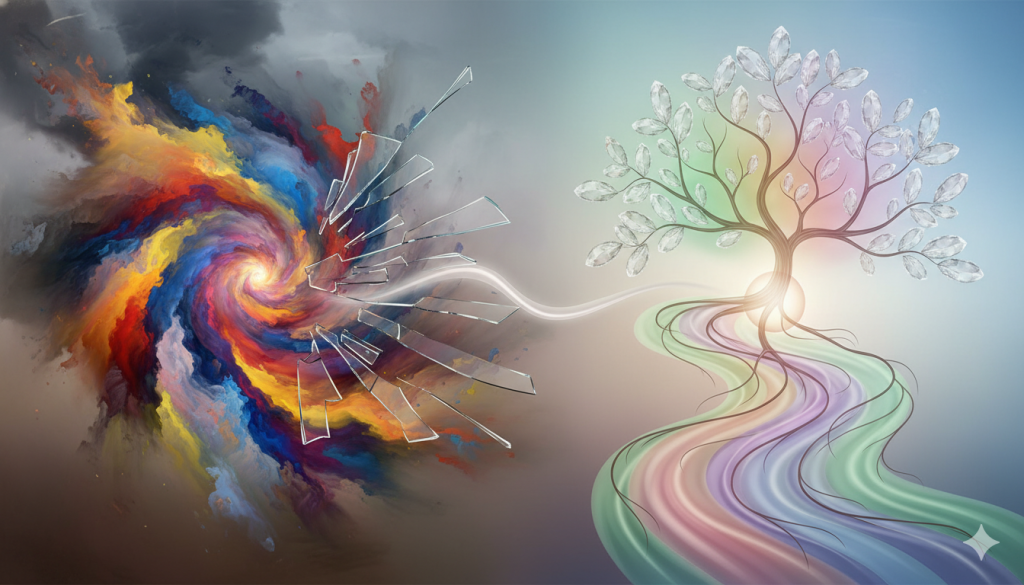
Across Africa’s cities and small towns, conversations around mental health keep growing. Reporters hear it in school staffrooms, at taxi ranks, at church steps after service. This news feature explains the difference between feelings and emotions, using clear language, practical moments, and steady science. Feels overdue, honestly.
What Are Emotions?
Emotions arrive fast. A car horn blasts on Accra’s Oxford Street and the body jumps. Pulse spikes, breath shortens, palms sweat. The system switches to alert mode before words appear. That surge is emotion. It is short, powerful, and rooted in survival. Some call it the body’s first alarm. That’s how it looks, anyway.
Neuroscience frames emotions as quick responses created in deeper brain circuits. They set off hormones, tighten muscles, change the face without asking permission. Joy can dance in the chest at a neighbour’s wedding drumbeat. Anger can heat the neck in seconds after a rough shove in a queue. Brief, intense, physical.
What Are Feelings?
Feelings arrive after emotions. Slower, more shaped by memory and belief. A journalist in Lusaka might feel anxious long after the siren has gone silent, because past nights with sirens ended badly. Another person feels calm, same siren, different history. Feelings give names to the body’s storm. They last longer. Sometimes they linger for days. Not always tidy.
Key Differences Between Feelings and Emotions
A quick desk reference for editors and readers. Useful on deadlines.
| Aspect | Emotions | Feelings |
| Origin | Body response starts first | Mind’s interpretation after the surge |
| Speed | Instant, like a spark | Slower, reflective, shaped by memory |
| Awareness | Can happen without words | Always conscious and nameable |
| Duration | Seconds or minutes | Hours, sometimes longer |
| Examples | Fear, anger, joy, disgust | Anxiety, irritation, contentment, pride |
Small border cases exist, sure. But this table works most days.
How Emotions Turn Into Feelings
Picture a crowded matatu in Kampala. A sudden break. Bodies lurch. Emotion fires first. Muscles tense, stomach dips. Then the mind starts its work. Was there a near miss last month on this road? Was the driver distracted? The story the mind tells becomes the feeling. Fear can become anxiety. Relief can become gratitude. The sequence stays simple: event, emotion, bodily change, interpretation, feeling. Sometimes it loops.
Why We Often Confuse Feelings and Emotions
Language blurs the line. In markets, people say “feels angry” when the body actually surged with anger a moment earlier. Speed blurs it too. The gap between heartbeat spike and the word anxious can be one breath. Culture also shapes it. In some homes, sadness shows as silence, in others as work, hard and fast. A reporter who listens long enough hears the same story in different clothes. It happens a lot.
Scientific Theories That Explain Feelings and Emotions
Scholars mapped several routes.
- James–Lange: the body changes first, feelings read those changes.
- Cannon–Bard: brain registers feeling and bodily change at the same time.
- Schachter–Singer: the surge needs a label, context sets the label.
- Cognitive appraisal models: interpretation steers the final experience.
- Somatic marker ideas: past body states mark choices, like quiet fingerprints.
No single theory wins every case. Taken together, they give a workable newsroom toolkit. Good enough for daily reporting.
Real-Life Examples of Feelings vs Emotions
At a dusk football match in Dakar, a last-minute goal explodes in the stands. Emotion is joy, bright and quick. The later glow on the walk home, that warm pride, becomes the feeling.
In a Mombasa pharmacy, a minor bump at the counter triggers anger in a flash. Minutes later, the feeling settles as irritation, maybe mild resentment. Two stages, same incident.
A nurse in Bloemfontein hears a monitor beep. Emotion shoots up as fear. After checking vitals and recalling training, the lasting feeling shifts to cautious concern. Small difference on paper. Big difference on the floor.
How Understanding the Difference Improves Emotional Intelligence
Workplaces across Africa are noticing. Teams that separate the terms report calmer meetings, fewer flare-ups. A manager who recognises a spike of anger as emotion can wait, label the feeling later, and respond with facts. Households benefit too. Children learn to say “body feels scared, mind says worried.” Teachers say discipline gets steadier. Sometimes it’s the small habits that matter.
How to Identify Whether You’re Feeling or Emotionally Reacting
A short field checklist for reporters, teachers, coaches.
- First signal in the body or in words. Body first suggests emotion.
- Speed of onset. Lightning quick points to emotion, slower points to feeling.
- Duration. Short bursts fade fast, lingering states point to feelings.
- Triggers. Sharp external cue suggests emotion, ongoing thoughts suggest feelings.
- Ability to rename. If a new thought changes it, the second state is usually a feeling.
Not perfect. Useful under pressure.
Keep Reading
FAQs on Feelings vs Emotions
Are emotions and feelings interchangeable in daily speech across Africa’s diverse languages and communities?
Many speakers swap the words, but the body-first pattern for emotions still holds across contexts.
Do emotions always lead to the same feeling in people living in similar conditions or families?
No single path exists, as memory, belief, and local norms shape how that surge gets named.
Can long days of stress in crowded transport turn quick emotions into chronic feelings over weeks?
Yes, repeated alarms can convert brief fear into lasting anxiety when rest and support remain scarce.
Do children in schools benefit when teachers teach the difference between feelings and emotions directly?
Classrooms report clearer behaviour, faster repair after conflicts, and more honest naming during circle time.
Can music at community events shift feelings even after the original emotion has faded away?
Rhythms, voices, and shared space often move people toward relief or calm, long after the first spike.
