
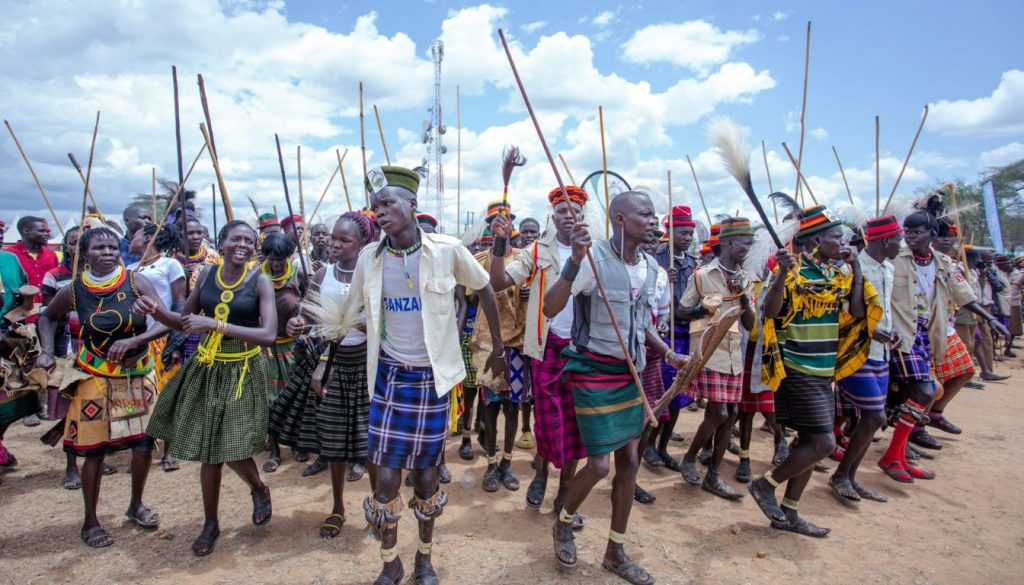
Africa is made up of 54 countries and a lot of different ethnic groups. Each of these groups has its own marriage traditions that come from history, religion, and family values. While white dresses and destination weddings are popular around the world, many African weddings still follow old customs that honour unity, respect, and community.
Bride Price: A Sign of Honour, Not a Purchase
In some African cultures, the family of the groom gives gifts or animals to the family of the girl. This is called bride price or “lobola.” Despite what many people think, this custom is not a transaction but a sign of gratitude and commitment. Families talk things over with respect, which makes ties stronger before the couple even says their vows.
Ceremony for Jumping the Broom
Jumping the broom is a popular way for people in some parts of West Africa and the African diaspora to start married life. The move stands for getting rid of old problems and starting over. Many couples today combine this tradition with more modern weddings.
Ceremony for Knocking in Ghana
In some parts of Ghana, the groom’s family officially “knocks” on the bride’s family door to let them know they want to get married. Elders guide the conversation and make sure that traditional norms are followed. This ritual brings together families, not just two people, which is what marriage is all about.
Bright clothes and jewellery with beads
From East Africa’s Maasai beadwork to West Africa’s bright Ankara prints, wedding clothes show history and status. Brides often wear long chains with lots of beads that represent beauty, fertility, and wealth.
North African Henna Nights
Brides have a henna night the night before their wedding in places like Morocco and Sudan. People think that henna designs on their hands and feet will bring them luck and keep away evil spirits.
Even though African weddings are always changing, these customs are strong reminders that marriage is a celebration of the whole community based on love, respect, and spirituality.
FAQs
1. Is bride price still done today?
Yes, many groups still do it, though in cities, the ways of doing things have changed over time.
2. What does “jumping the broom” mean?
With this, you leave the past behind and start a new life together.
3. How big are most African weddings?
Many are big celebrations that last for several days and include the whole family and the neighbourhood.
4. Do all countries in Africa have the same traditions?
No, customs are very different between places, races, and faiths.
5. What do leaders do at weddings in Africa?
Elders often lead talks, bless the union, and make sure that cultural norms are followed.
