
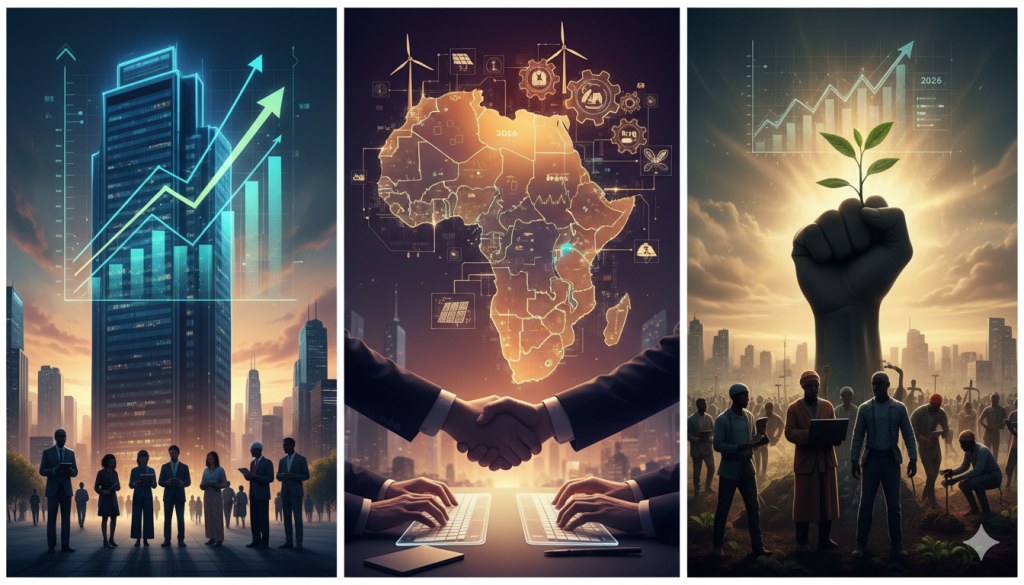
2026 is not merely any new year in the calendar, but it may be a turning point in the way countries develop, commerce, and safeguard employment. In the case of Africa, the pay is particularly high. Debt is increasing, there are climate shocks, technological upheaval, and the global dynamics of power all coming together simultaneously. The global economy is going through a period where the models that were used in the past might not be applicable, as governments and businesses prepare to take big steps towards changing their models. The actions that will be taken within the next two years will either lead to the African countries coming out stronger, more resilient, and more competitive, or to an even greater inequality and instability.
5 Reasons Why 2026 Will Be a Make or Break Year
1.Debt Pressure Will Compel Hard Decisions
A number of African countries will hit a crisis of debt repayment by the year 2026. Increased interest rates and reduced aid funds imply that governments have a choice between austerity and reform. The effect of the global economic response, whether it is debt restructuring, fair financing, and tighter credit, will directly impact the public services, employment, and social stability of the continent.
2. The role of Africa in an evolving order in trade
The supply chains are leaving the overdependence on a single region. This paves the way to African manufacturing, agriculture, and mineral exports. A reshaped world economy would make Africa a strategic ally instead of a provider of raw materials, that is, when infrastructure and trade policies are in place in good time.
3. AIs and technology will transform employment
It is anticipated that after 2026, automation and artificial intelligence will pick up pace. This is an opportunity and a risk to the young African labour force. Providing millions of African digital employees with skills training would enable them to fit into the global economy. Otherwise, informal labor and unemployment can increase dramatically.
4. Climate Finance Will Determine the Winners and Losers
Food security and energy systems are already being impacted by extreme weather. Climate funding commitments are to be put to the test by the year 2026. The success of Africa to adjust, develop a green industry, and secure at-risk communities will depend on whether the global economy is delivering real investment or empty promises.
5. Economic Alliances Will Be Redrawn by Geopolitics
The increasing rivalry among the leading powers is altering the trading partners. Africa has ceased to be marginalized. New development banks, strategic alliances, and cooperation between the South and the South might provide African countries with extra bargaining power in the global economy, provided that leaders are able to negotiate well.
Keep Reading
The Implication of the Global Economy to African Workers and Businesses
To employees, 2026 might introduce new sectors; however, more insecurity. Innovation may be rewarded and delay punished, as far as businesses are concerned. The most suitable Governments that invest in education, labor rights, and regional trade will be in good positions to gain as the global economy takes a new step towards the next chapter.
