
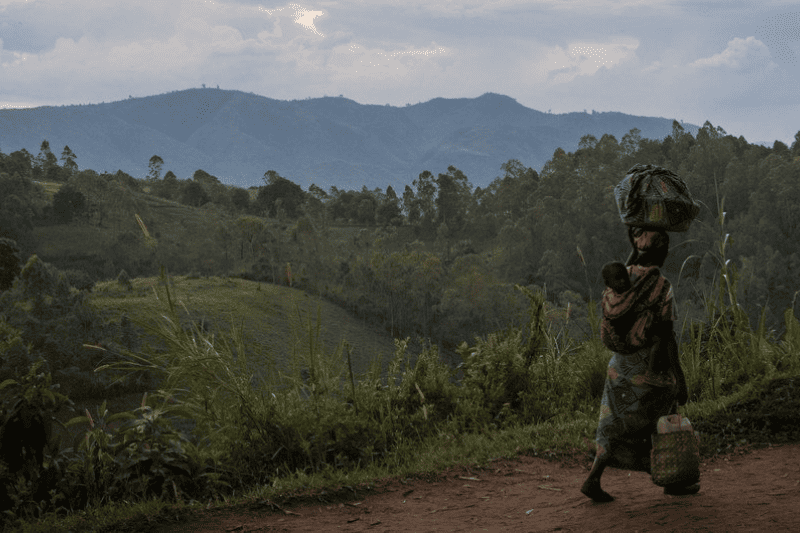
Thousands of North Kivu, Democratic Republic of Congo (DRC), civilians are fleeing their residences after multiple horrifying attacks committed by the Allied Democratic Forces (ADF). The United Nations has characterised the massacre as being “truly horrific”. With the level of violence escalating, it evidences a deteriorating humanitarian and security situation in one of Africa’s most unsafe regions.
Despite numerous international attention campaigns, North Kivu appears to have almost disappeared from the minds of the international community. The mass evacuations of villages during the night, broken up families and survivors being forced to live in forests or in overcrowded makeshift camps are becoming increasingly familiar images in a conflict that shows no prospect for peace.
North Kivu’s suffering and the ADF
The ADF is an insurgent group whose origins lie in Uganda. For many years, they have been active in the eastern portion of the Democratic Republic of the Congo (DRC). Their level of violence has steadily increased, and lately they have begun attacking innocent people throughout the DRC. “In the past three months, numerous villages were attacked simultaneously by ADF fighters; the attacks utilised machetes, firearms, and fire. Many civilians died or went missing as a result,” according to the UN Peacekeeping reports.
Because of the availability of large areas of dense forest, the inability of the state to maintain a consistent presence in North Kivu and the lengthy history of armed conflicts in North Kivu, it has become a territory in which many violent acts occur. In the last twelve months alone, hundreds of thousands of people have been forcibly displaced from North Kivu due to a lack of security; these increasing numbers put a strain on the humanitarian service providers already assisting in North Kivu.
A Growing Humanitarian Emergency
As a result of these killings, many people have left their homes in search of safe shelters away from the violence. In most cases, they are going to towns or UN-protected locations. Many humanitarian relief organisations have said that there is a serious lack of food and clean water, and access to health care is almost non-existent for those displaced by the conflict. Many of the people who have survived the violence come with little more than what they could carry and with no one to help them after they arrive.
For additional information about how prolonged instability affects these situations, see our report, which gives further insight into the humanitarian crisis in Eastern DRC and explains why the cycle of violence continues even when international communities intervene.
Key Facts at a Glance
| Aspect | Details |
| Armed group | Allied Democratic Forces (ADF) |
| Affected area | North Kivu, eastern DR Congo |
| UN response | Violence condemned as “truly horrific” |
| Impact | Civilian deaths, mass displacement |
| Current risk | Ongoing attacks and humanitarian shortages |
Why the World Pays Little Attention
While conflicts elsewhere dominate headlines, eastern DR Congo’s suffering often goes unnoticed. Analysts point to “crisis fatigue,” limited media access, and the complexity of multiple armed groups as reasons why the ADF massacres in North Kivu receive minimal sustained coverage.
Yet UN peacekeepers warn that ignoring the violence risks normalising atrocities and emboldening armed groups who thrive in silence.
Keep Reading
FAQs
Q1: What are the ADF massacres in North Kivu?
The ADF massacres in North Kivu refer to deadly attacks on civilians by the Allied Democratic Forces in eastern DR Congo.
Q2: Why is North Kivu prone to repeated violence?
Weak governance, difficult terrain, and the presence of multiple armed groups make North Kivu highly vulnerable to conflict.
Q3: How has the UN responded to ADF attacks?
The UN has condemned the violence, increased patrols, and called for stronger protection of civilians.
Q4: How many people have been displaced in North Kivu?
Hundreds of thousands have been displaced in recent years, with numbers rising after each major attack.
Q5: What help do civilians urgently need in eastern DR Congo?
Immediate needs include security, food aid, healthcare, shelter, and long-term peacebuilding efforts.
