
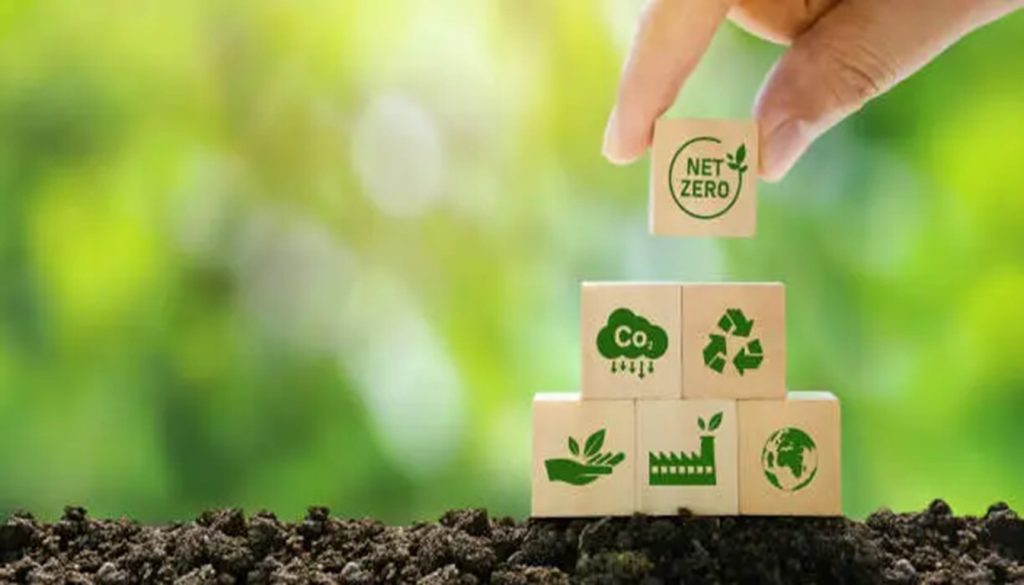
The introduction of eco charcoal provides a more efficient cooking solution, which helps households cook their meals while maintaining environmental protection. The emerging global interest in eco charcoal stems from its environmental benefits and current worldwide market presence, which makes it an important topic.
What Is Eco Charcoal?
Eco charcoal is a sustainable fuel made from agricultural waste like coconut shells, sawdust, bamboo, or sugarcane residue. The process creates high-efficiency fuel through a method that transforms waste into usable energy instead of using tree resources.
Cleaner Cooking, Healthier Homes
The primary advantage of eco charcoal results from its ability to produce less smoke during combustion. The material operates at a consistent rate during an extended period of time, which generates diminished dangerous pollutants. The solution reduces indoor air pollution that leads to respiratory problems, which makes it essential for families who prepare meals in limited spaces.
Better for the Environment
Eco charcoal provides an environmentally friendly solution because it reduces deforestation through its renewable waste materials usage. The process uses renewable waste materials, which results in decreased carbon emissions while it builds circular economic systems. Some types of materials achieve carbon neutrality, which makes them effective resources in the battle against climate change.
Cost-Effective and Efficient
Eco charcoal provides extended durability compared to standard charcoal, which results in increased heat output from each charcoal piece. The system generates operational benefits which lead to financial savings through extended periods between refuelling times, constant cooking heat maintenance, and decreased energy consumption.
Supporting Local Communities
The production process of eco charcoal requires workers who handle waste materials to collect and process, and deliver those materials. In many regions, small enterprises are turning farm byproducts into livelihoods—boosting incomes while promoting sustainability.
The Road Ahead
The adoption of eco charcoal has expanded to residential areas, dining establishments and emergency relief operations because people now understand its benefits. The technology requires clean energy access and supportive regulations to achieve widespread market penetration, which will enable its use as a replacement for polluting fuel sources.
Summary
Eco charcoal functions as an alternative fuel source, which leads to improved indoor air quality and better health outcomes for families and environmental conservation. The technology converts waste materials into clean energy solutions, which bring forth a new era of sustainable cooking for households throughout the world.
