
Ask most travellers to name an African holiday and you will hear safari, Zanzibar, Cape Town or the pyramids. Yet the Lesser-Known Lakes and Islands in Africa offer something those famous names can no longer promise: quiet water, local hospitality and the feeling that you found the place yourself. If you are tired of crowds and curious about offbeat African travel, this list is for you.
Why Look Beyond the Usual Postcards?
The continent has thousands of kilometres of coastline and some of the largest freshwater lakes on earth. Most visitors only see a sliver of it. That leaves many unexplored places in Africa where a boat ride costs little, a homestay feeds you well and the nearest tour bus is hundreds of kilometres away. For African travellers, these spots also make wonderful weekend or holiday trips that don’t require a passport to Europe or Asia.
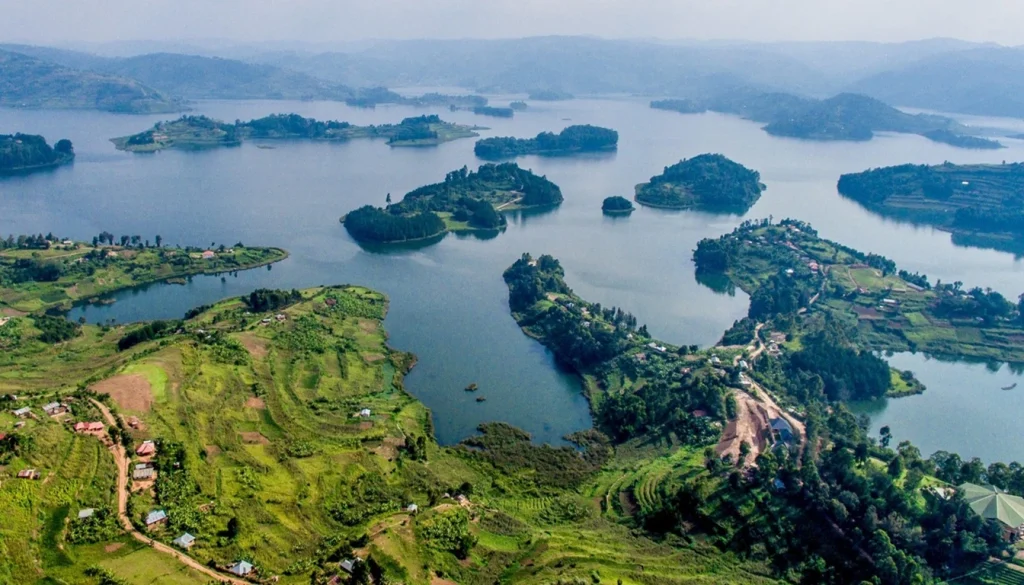
Lake Bunyonyi, Uganda: The Lake of Little Birds
Near the border with Rwanda, in Uganda’s southwest, Lake Bunyonyi sits among terraced green hills that fold into the water like a giant’s staircase. The name is often translated as “place of many little birds”, and the birdlife lives up to it. You can paddle a dugout canoe between the islands, swim in water that is free of bilharzia according to local operators, and sleep in simple lodges right on the shore.
This is the little-known Lake Bunyonyi. It is the deepest lake in Uganda and is widely considered the second-deepest lake in Africa after Lake Tanganyika. It is frequently cited as reaching depths of up to 900 meters (approximately 2,952 feet). https://t.co/N6fLFZJa1m
— The Kenyan Vigilante (@KenyanSays) March 17, 2026
The lake also carries history. One small island is known as Punishment Island, where, according to local tradition, unmarried girls who became pregnant were once left. Guides tell the story with care, and it adds weight to what might otherwise be a pretty view. It remains one of the most beautiful African islands to visit for its stories alone.
Idjwi Island, DR Congo: Calm in the Middle of Lake Kivu
Most people hear “Congo” and think of conflict. Idjwi tells a gentler story. This long island in Lake Kivu is one of the biggest lake islands on the continent, home to farmers, fishers and coffee growers. There are no big resorts here, and that is exactly the point. You walk through banana groves, meet people who grow coffee on small plots, and watch the sun drop behind hills that seem to float on the water.
Visit DR Congo! Iko Island, Idjwi Sud! By @ltaproject1 Michael Lunanga. @benjimk @TourismeRDCongo @VisitCongo_ https://t.co/zMMnwtkESH
— Lens M.L (@lenscorpx) July 10, 2021
Travel here takes planning, and you should always check the security situation in eastern DRC before going. For those who make it, Idjwi is among the most rewarding African island destinations because the experience is real and unpackaged.
Likoma and Chizumulu, Malawi: Islands in an Inland Sea
Lake Malawi is so large that it feels like an ocean, and its islands add to the illusion. Likoma is a Malawian island sitting inside Mozambican waters, which makes it a geographical curiosity. Its biggest surprise is St Peter’s Cathedral, a huge brick-built church that looks far too grand for a small island. Nearby Chizumulu offers white sand, clear water and baobab trees leaning over the beach.
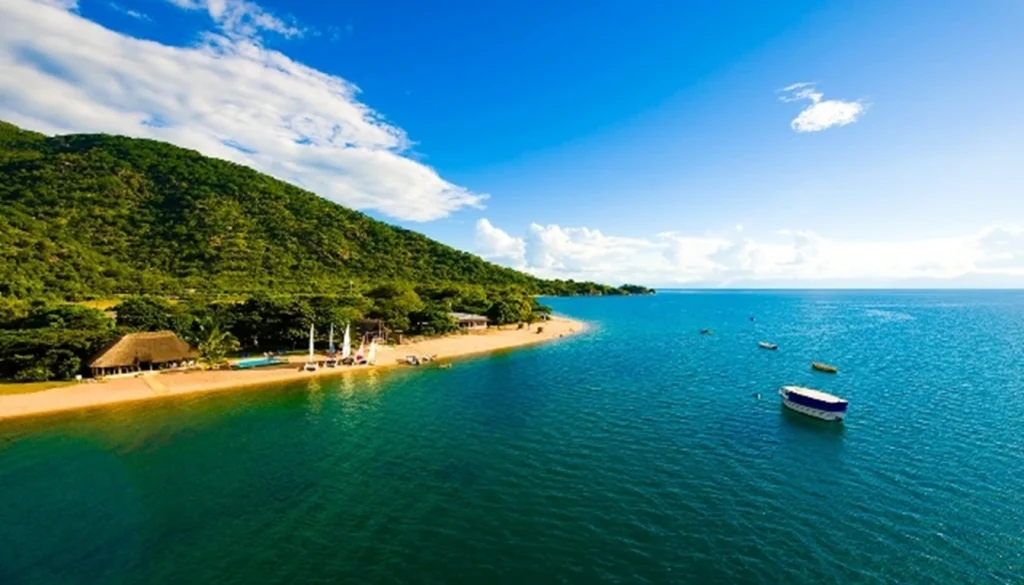
Snorkel and you will meet colourful cichlids, small fish found nowhere else in such variety. Many of these hidden lakes in Africa are better known to anglers and scientists than to holidaymakers. Lake Malawi deserves a much bigger audience.
Lake Tana, Ethiopia: Monasteries on the Water
Lake Tana is the source of the Blue Nile, but its real magic lies on its islands and peninsulas. Dozens of ancient monasteries hide among the trees, some reachable only by boat. Inside, painted walls and old manuscripts reflect centuries of Ethiopian Orthodox tradition.
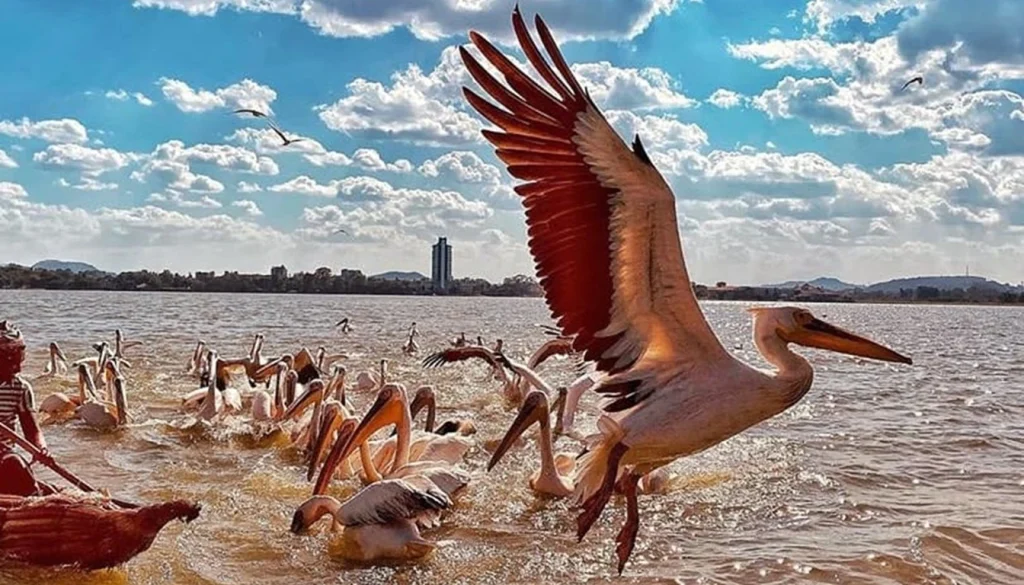
Visitors usually base themselves in Bahir Dar, hire a boat for the day and step into a quiet that feels centuries old. Dress modestly, carry small change for entrance fees and take your time. This is cultural travel at its most peaceful.
The Bijagós Archipelago, Guinea-Bissau: A Living Wilderness
Off the coast of Guinea-Bissau lies a scattering of more than eighty islands, many of them uninhabited. UNESCO recognised the Bijagós as a biosphere reserve because the area is so rich in wildlife. Sea turtles nest on its beaches, and the islands are famous for saltwater hippos that wander along the shore.
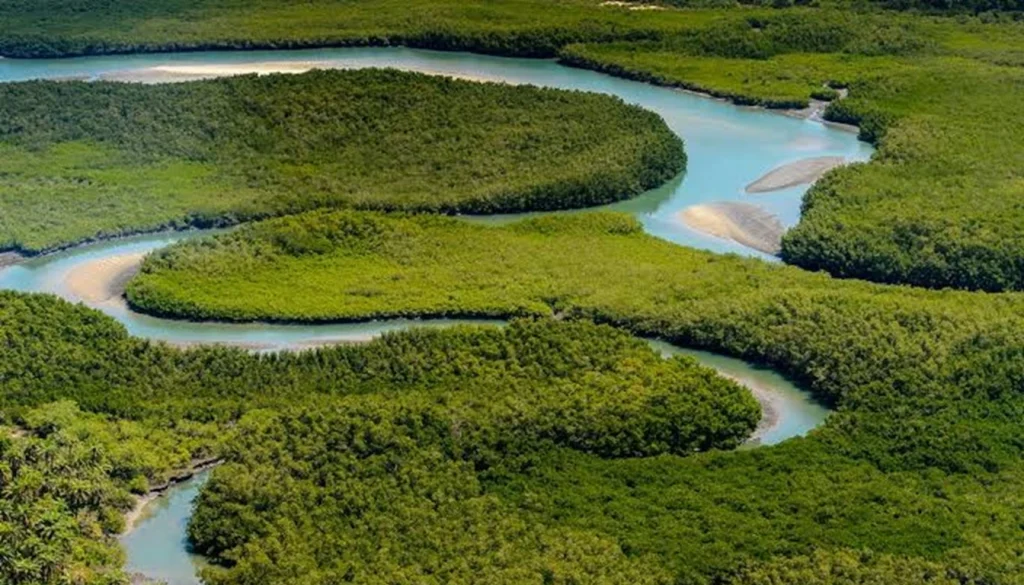
The Bijagós people maintain strong traditions, and several islands have sacred sites that are closed to outsiders. Respect for local rules is part of the visit. If you want nature without fences or souvenir stalls, few places in the world compare.
Príncipe, São Tomé and Príncipe: Tiny, Green and Dramatic
The twin-island nation in the Gulf of Guinea rarely makes holiday lists, and Príncipe is the smaller and quieter of the two. Steep volcanic peaks rise out of dense forest and drop to empty bays. The whole island was designated a UNESCO biosphere reserve in 2012, and it shows. You can hike through rainforest in the morning and swim alone on a beach by noon.
Flights are limited, which keeps numbers low. For travellers who love places that feel untouched, this is one of the most striking African tourism destinations you can choose.
The Ssese Islands, Uganda: Lake Victoria’s Quiet Side
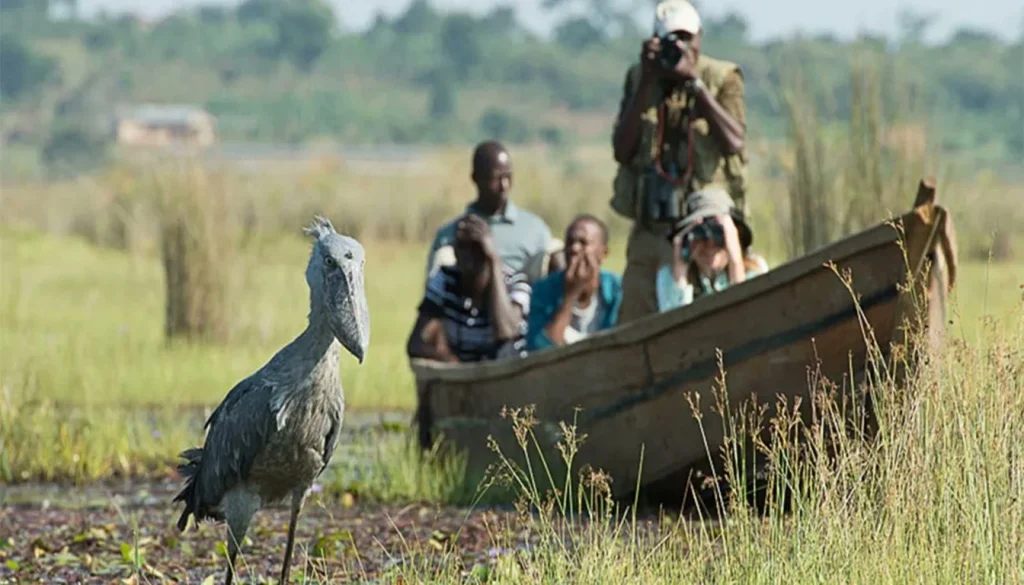
Lake Victoria is usually seen as a working lake of ferries and fishing boats. The Ssese Islands, a group of islands in the Ugandan part of the lake, show its relaxed side. Beaches, forest walks and lakeside lodges attract Ugandans escaping Kampala for a weekend. The ferry from Entebbe or Nakiwogo adds to the adventure, and the pace of life slows the moment you step off the boat.
How to Plan a Visit
A few practical habits make these trips smoother:
- Travel in the dry season. Roads and boats are more reliable.
- Carry cash. Many islands have no ATMs and limited card payments.
- Book local. Homestays and community-run lodges keep money in the community.
- Check safety updates. Conditions change, especially in border regions.
- Pack light and respectful. Many sites are sacred or lived in, not just scenic.
Why These Places Matter
Tourism done well can support fishing communities, conservation and small businesses. The risk is that popularity brings pressure on fragile places. That is why it matters to visit thoughtfully: stay with locals, hire local guides, avoid single-use plastics and leave no trace. Africans have a special part to play here, because domestic and regional travel is growing and can set the standard for how these places are shared.
Final Thoughts
You do not need to chase the most famous name to have a memorable trip. A canoe on Bunyonyi, a monastery on Tana, a hippo on a Bijagós beach or a quiet evening on Príncipe will stay with you longer than any crowded landmark. The continent is full of water and wonder, and most of it is still waiting to be discovered. Pack a bag, pick a lake or an island, and go and see it for yourself.
Read More
How to Apply for East Africa Tourist Visa: Easy Way to Travel in Kenya, Uganda & Rwanda
Top 5 African Destinations You Can Visit Visa-Free in 2026: A Quick Travel Planner for Citizens
6 Gorgeous Visa-Free Countries You Can Travel to Right Now with Just an African Passport
5 African Travel Destinations Trending on Social Media This Year
