
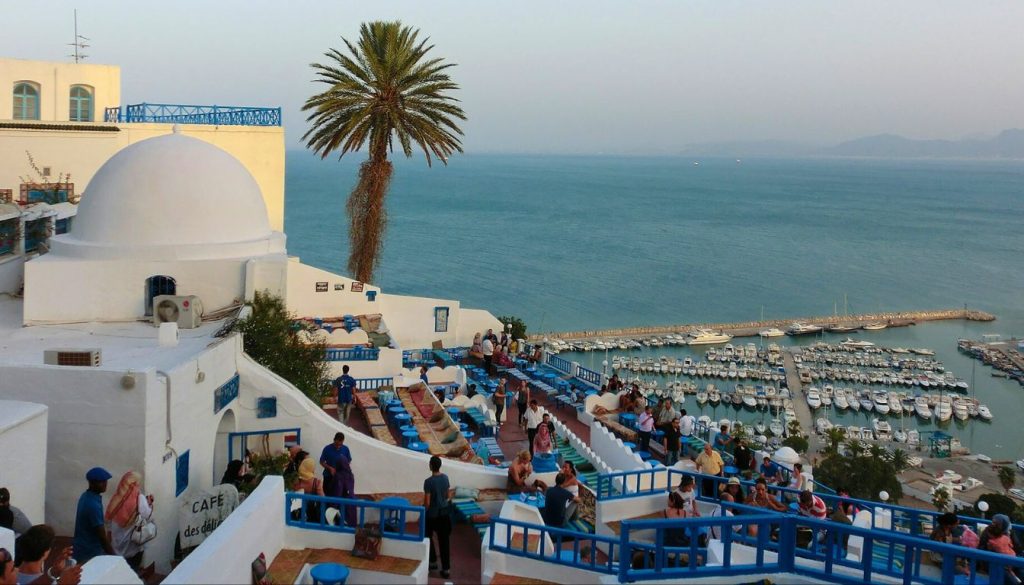
The Medina of Tunis is the historic core of Tunisia’s capital and one of the best-preserved old cities in North Africa. Founded in the 7th century, it continues to function as a living urban centre where trade, worship, and daily life remain closely intertwined. Recognised as a UNESCO World Heritage site, the Medina is famous for its narrow alleys, historic monuments, and rich cultural traditions.
Origins and Historical Significance
The Medina developed shortly after the Arab conquest of the region, forming around the Great Zitouna Mosque. From the 12th to the 16th centuries, it flourished under Almohad and Hafsid rule as a major centre of learning, governance, and commerce. Merchants and scholars helped establish Tunis as a key link between the Mediterranean world and inland Africa.
During Ottoman rule, new architectural layers were added, including mosques, palaces, and mausoleums. Although parts of the old city walls were removed in the 19th century as Tunis expanded, the historic core of the Medina remained largely intact.
Major Landmarks Inside the Medina
The Zitouna Mosque stands at the heart of the old city and has long served as a religious and educational institution. Surrounding it are hundreds of historic structures, including madrasas, fountains, caravanserais, and family mausoleums.
Several palaces feature ornate courtyards, carved stonework, and traditional tile designs. Ottoman-era mosques introduce distinctive minarets and interior decoration, reflecting centuries of evolving styles.
Souks and Traditional Markets
The Medina’s souks remain central to its identity. Each market historically focused on a specific craft, such as perfumes, gold, textiles, or traditional headwear. These commercial streets continue to operate today, offering handmade goods and preserving artisanal skills passed down through generations.
Architecture and Urban Layout
The Medina contrasts sharply with the modern city outside its gates. Winding streets, shaded passageways, and inward-facing homes create a compact urban environment. Architectural elements blend Islamic, Andalusian, Roman, and Byzantine influences, visible in doors, courtyards, arches, and decorative plasterwork.
Visiting the Medina Today
The Medina is best explored on foot, beginning at one of its historic gates and moving inward toward the central mosque. A visit typically lasts two to four hours. While generally safe, the dense layout can be confusing, making maps or local guides helpful. Modest clothing is recommended near religious sites.
Medina of Tunis Overview
| Feature | Details |
| UNESCO status | World Heritage Site |
| Founded | 7th century |
| Historic sites | Over 700 monuments |
| Best way to explore | Walking |
| Known for | Souks and Islamic architecture |
Frequently Asked Questions
Is the Medina of Tunis still inhabited?
Yes, it remains a residential area with active businesses and schools.
How long does it take to explore?
Most visitors spend between two and four hours.
Is Medina safe for tourists?
Yes, especially during daytime hours.
What should visitors wear?
Modest attire is advised, particularly when visiting mosques.
