
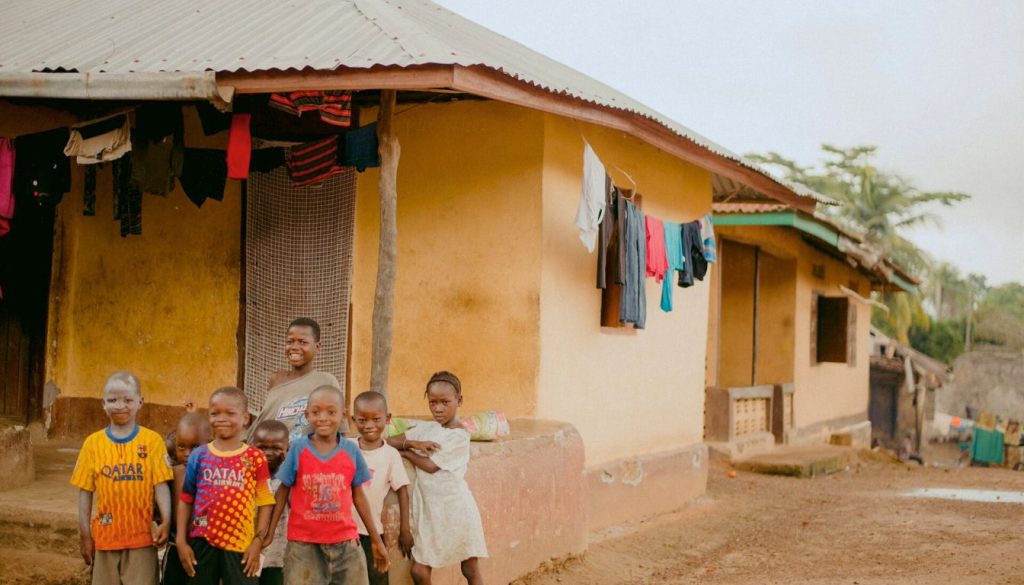
The H2OS project is an ambitious sustainable village initiative located in Keur Bakar Diahité, about 200 km south of Dakar. Conceived as a prototype for ecological, self-sufficient rural living, it aims to tackle desertification, emigration, and limited access to essential services in the Sahel region. The project is designed by the Italian firm TAMassociati and carried out with local communities and international partners.
Project Vision and Purpose
H2OS is envisioned as an open-source model eco-village that blends traditional building knowledge with modern sustainability principles. Its goals include:
- Designing structures that harvest and store water for everyday use
- Generating renewable energy locally
- Enhancing self-sufficiency in food and water
- Providing training spaces to build local skills in construction, agriculture, and ecological practices
Local Senegalese partners and the diaspora community helped shape the project to meet village needs.
Construction Features and Techniques
The eco-village starts with a community “eco-maison”, completed in 2017, which serves as the core of the project. This building functions as:
- A community centre with training and workshops
- An eco-info point for research and education
- A meeting space for arts, crafts, and social activities
The construction emphasises participatory building methods, involving villagers in the process and training local workers.
Key eco-design elements include:
- Stabilized earth blocks made from locally sourced soil for load-bearing walls
- Rainwater harvesting systems integrated into structures
- Natural ventilation and passive cooling
- Solar panels for clean electricity generation
- Phytodepuration systems to treat wastewater
- A community garden irrigated using harvested water to support local food production
These systems aim to make the village self-sufficient in water, energy, and food resources.
Community Benefits and Training
Beyond physical construction, H2OS focuses on skills transfer and empowerment. A training school on site helps villagers learn sustainable building techniques, construction management, and ecological agriculture. Women’s cooperatives play a leading role in managing community gardens and agricultural activities.
Vision for Replication
H2OS is designed as a replicable and adaptable prototype for other African regions facing similar challenges. Its open-source model encourages replication, refinement, and adaptation to diverse environments across the continent.
FAQs
1. What is the main goal of the H2OS eco-village?
The primary aim is to create a self-sufficient community that integrates water harvesting, renewable energy, and ecological living to combat desertification and improve local livelihoods.
2. Who designed the H2OS project?
The project was designed by TAMassociati, an architecture studio known for sustainable and community-oriented projects in Africa.
3. How does the construction benefit the local community?
Villagers participate in building and receive training in sustainable construction and agricultural techniques, helping build local expertise and economic opportunities.
