
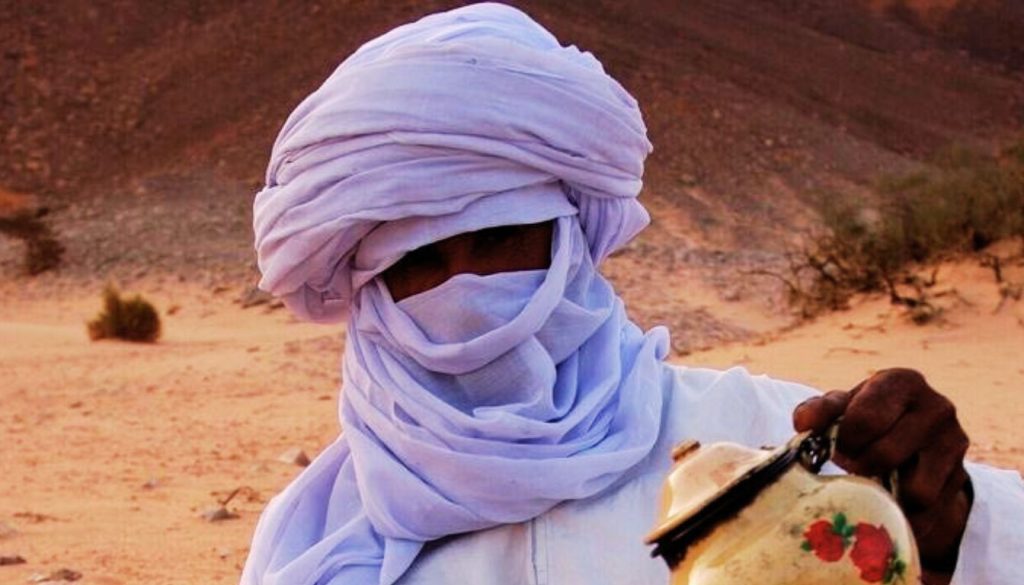
The Tuareg are a well-known group of nomads who live in the Sahara Desert. For hundreds of years, Tuareg groups travelled across the desert on camel caravans, selling goods and taking care of animals between North and West Africa. This traditional way of life is slowly changing, though, as technology and the environment make things more difficult.
Climate Change and Pressure on the Environment
The Tuareg people are having a hard time because of climate change. Due to frequent droughts and the spread of deserts, pasturelands and water sources that animals rely on have been cut down.
As grazing land shrinks, it becomes harder for many nomadic families to keep moving from place to place each season. Some people have been driven to live near villages or towns where it is easier to get water, food, and other basic services.
Political Lines and Conflicts in the Area
Modern national lines across the Sahara have also made it harder for the Tuareg to move around as they used to. Mali, Niger, and Algeria now have rules about areas that Tuareg nomads used to be able to cross openly.
These borders make it harder for people to move and for animals to get to traditional grazing places. Instability and war in the Sahel area have also made long-distance travel more dangerous.
Economic Changes and Moving to Cities
In the past, Tuareg villages relied on trade with caravans across the Sahara. Many of those routes were lost as modern transportation and trade methods became more regulated.
Because of this, some Tuareg people have moved to towns to find work. They might work in tourism, sell traditional crafts, or run their own small businesses. Some people try gardening, but it can be hard to do that in desert areas.
Changes in culture among younger generations
Younger Tuareg people, who are sometimes called ishumar, are becoming more familiar with school, technology, and city life. This opens up new possibilities, but it also hurts old ways of doing things, like sharing stories orally, using language, and building nomadic communities.
Even with these changes, Tuareg villages still keep their culture alive through music, festivals, and wearing traditional clothes. Their ability to change while still preserving tradition is a great example of how resilient they are.
FAQs
1. Who are the Tuareg?
There are no fixed homes for the Tuareg people. They live in the Sahara Desert, mostly in Mali, Niger, Algeria, and Libya.
2. Why are fewer Tuareg people becoming nomads?
Desertification, climate change, political lines, and economic pressures have all made it harder for people to move around like nomads used to.
3. What does a typical Tuareg day look like?
In the past, the Tuareg people crossed the Sahara Desert with camel caravans, took care of animals, and exchanged goods.
4. Are the Tuareg people going to towns?
Yes, a lot of Tuareg people have moved to cities to work in trade, tourism, or small companies.
5. How do Tuareg groups keep their customs alive?
While adjusting to modern living, they keep traditions alive through music, festivals, traditional clothing, and community gatherings.
