
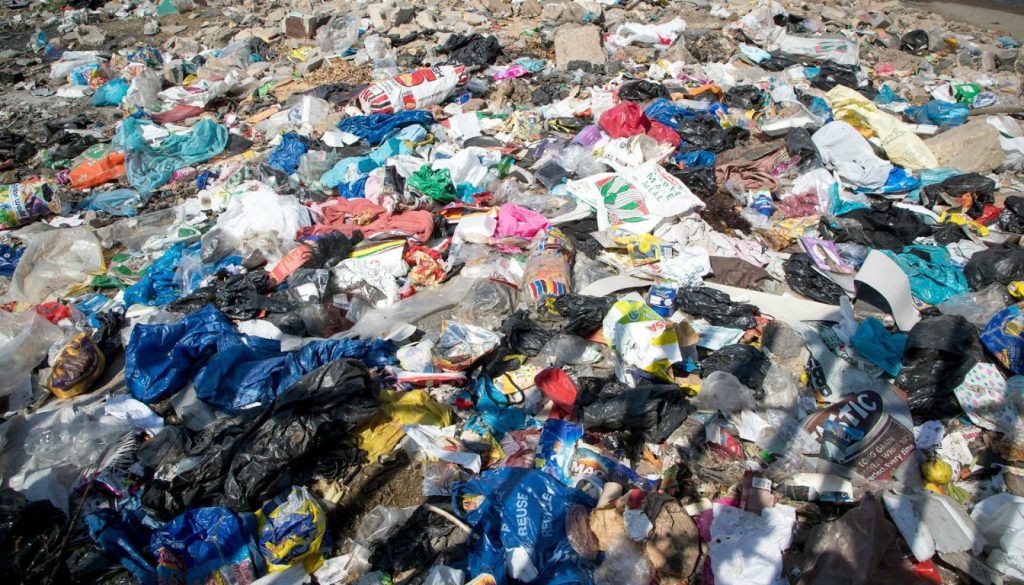
In Africa, health is redefined in an unprecedented manner due to the environmental changes. Nanoplastics are another emerging issue that is caused by small pieces of plastic that cannot be seen. Such pollutants now exist in the water and soil, as well as food. Their potential effects on men’s and women’s fertility are being investigated by the researchers.
What Are Nanoplastics?
Nanoplastics are minute pieces of plastic. These are the results of the disintegration of bigger plastics, such as bottles and bags. They are small and therefore easily penetrate the human body via food, water and air.
How Do They Affect Fertility?
Nanoplastics have the ability to disrupt the hormonal system of the body. This mechanism regulates reproduction. Exposure in men can cause the quality and quantity of sperm to decrease. It can interfere with ovulation and menstrual cycles in women.
Read more: 7 Must-Have Women’s Health Apps
Inflammation may also be caused by these particles. This destroys the reproductive organs in the long run. Certain research indicates that they can even influence embryo development.
Why This Matters in Africa
Most African societies are dependent on natural water. River and lake pollution with plastics raises the risks of exposure. The situation is aggravated by the poor waste management systems.
Farmlands are also not spared. Nanoplastics can be carried in crops that are cultivated in polluted soil. This brings about the exposure cycle by way of daily food intake.
What Can Be Done?
Reducing plastic use is key. Societies can endorse recyclable resources. Waste management systems can be enhanced by the government. It is also vital to create awareness campaigns.
People can sieve drinking water, and they will not need to heat their food using plastic containers. Minor alterations will decrease risks in the long-term.
Summary
Fertility is threatened by nanoplastics. They also interfere with hormones, harm the reproductive system and are spread in everyday life. Plastic pollution is an issue that needs to be addressed in order to safeguard future generations in Africa.
FAQs
1. Are nanoplastics a real concern for human fertility?
Yes, research indicates they are capable of disturbing the hormones and damaging reproductive cells.
2. What are the ways through which people are exposed to nanoplastics?
By means of polluted food, water, and even air particles.
3. How can exposure be minimised with the least effort?
Consume less plastic, filter water, and do not heat food in plastic containers.
