
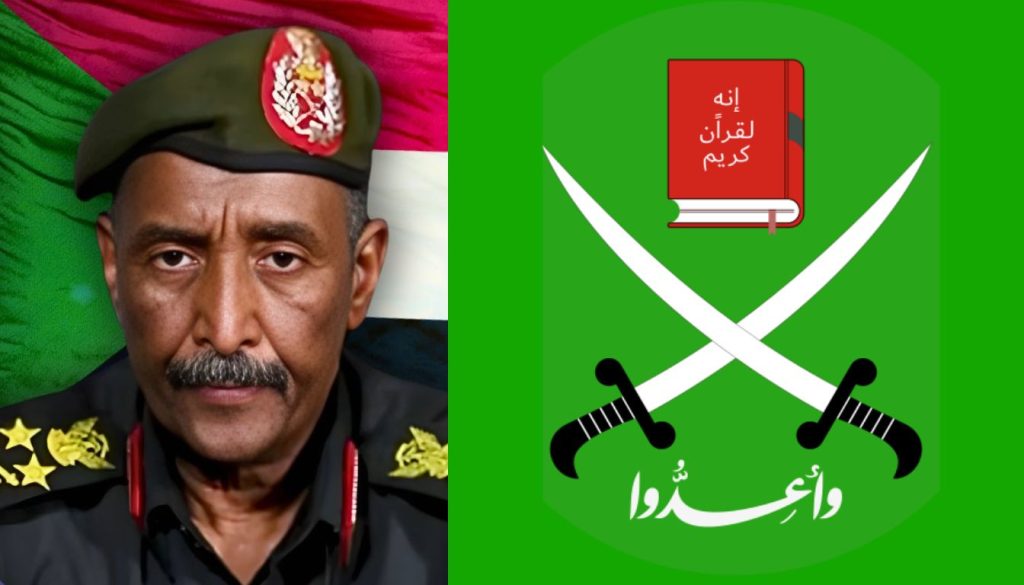
Sudan’s recent decision to label the Muslim Brotherhood as a terrorist group is a major change. This isn’t just a bunch of papers; it’s a direct attack on groups that use religion to gain political power, which makes things worse in a country that is already at war. This move brings attention to the Brotherhood’s deep ties to Sudan’s unrest and its threats to stability in the area as the country deals with civil unrest. Let’s make it simple.
The History of Ideological Movements in Sudan: Brotherhood’s Shadowy Rise
Sudan has had a long history with ideological groups like the Muslim Brotherhood. The Brotherhood started in Egypt in 1928 and came to Sudan in the 1940s, mixing Islamist ideas with politics. They became more popular in the 1970s with leaders like Hassan al-Turabi, who helped plan the 1989 coup that put Omar al-Bashir in charge.
Bashir turned the Brotherhood into the National Islamic Front (NIF), which enforced strict Sharia law and silenced dissent. They used religion to justify authoritarian rule, which split society along ethnic and religious lines. Even after Bashir was forced out in 2019 because of widespread protests, Brotherhood networks stayed in place, getting into the transitional government and causing trouble.
This history shows a pattern: these groups don’t build countries; they take them over.
Why Sudan Matters for Red Sea Security: Brotherhood’s Disruptive Role
The Red Sea is more than just a shipping lane; it carries 12% of the world’s trade. Sudan controls important ports like Port Sudan, which is important for stability. The Muslim Brotherhood’s actions here make things more dangerous.
The Brotherhood has links to Iranian-backed militias and to Houthi rebels in Yemen, who use drones to attack ships. The civil war in Sudan, which has supporters of the Brotherhood on both sides (SAF vs. RSF), has spread and is now threatening navigation. Recent fighting near Port Sudan has stopped the flow of aid and oil, which has caused energy prices around the world to rise.
Designating the Brotherhood breaks these ties and protects a key point between Africa and the Middle East. Think of the Red Sea as Sudan’s front door. If it’s not locked, it will cause trouble for Egypt, Saudi Arabia, and even East Africa.
Sudan Political Developments: Real-Time Brotherhood Angle in the Crisis
Sudan’s war has been going on for three years as of April 2026. The Sudanese Armed Forces (SAF) and the Rapid Support Forces (RSF) are fighting each other in a proxy war that has killed more than 20,000 people and forced 10 million people to leave their homes. After Bashir’s death, the Brotherhood’s remnants supported Islamist groups and used violence to gain power.
Recent SAF advances in Khartoum sound like anti-Brotherhood talk, framing the fight as getting rid of “religious extremists.” This announcement comes at a time when the RSF is making gains in Darfur and shows that the SAF wants to cut off Brotherhood networks that are said to be funding militias. It’s politics in real time: stability depends on breaking up these groups before they take advantage of the power vacuum.
Stay In The Loop
Explore Sudan Civil War Power Struggle?
Discover how Iran’s influence and conflict are shaping Red Sea security risks.
Discover South Yemen Stability Challenges Today?
Check why Africa needs stability across the Red Sea for regional balance.
Check Sudan Brotherhood Ban Impact Now?
Explore how the ban could reshape Sudan’s security and political future.
Explore US Brotherhood Policy Shift Again?
Discover why the US is reconsidering its stance on the Muslim Brotherhood.
Discover America’s Terror Label Push Why?
Check how the US push could redefine global policies on Islamist groups.
Regional Security Issues from Muslim Brotherhood Influence
The Brotherhood isn’t just a problem for Sudan; it spreads instability. It’s illegal in Egypt, the UAE, and Saudi Arabia to be a terrorist group. Sudan’s branch connects to these networks, bringing weapons and ideas across the Horn of Africa.
This makes terrorism worse, from Somalia’s al-Shabaab to Ethiopia’s unrest. Iran’s influence through the Brotherhood is a threat to Gulf states, and Sudan is now a battleground for proxy wars. Classification stops the flow of money, which helps regional agreements like the Saudi-led coalition. Sudan’s move is in line with the African Union’s calls to fight extremism.
Shocking Stats on Sudan’s Political Instability Linked to Brotherhood
Numbers paint a grim picture:
- 25+ years of Brotherhood-influenced rule under Bashir led to economic collapse (GDP shrank 12% yearly pre-2019).
- 10 million displaced since 2023 war, with Brotherhood rhetoric stoking ethnic clashes.
- 150+ attacks on Red Sea shipping since 2023, indirectly tied to Sudanese chaos.
- 80% inflation rate in 2025, worsened by institutional sabotage.
- 4.5 million famine-risk people, per UN, amid diverted aid.
These stats underscore why designation is urgent—Brotherhood ideology breeds endless crisis leads to Sudan Muslim Brotherhood terrorist designation.
Expert Quotes from Policy Reports on the Designation
Policymakers agree:
“The Muslim Brotherhood’s Sudanese arm has long undermined state institutions, exploiting faith for power grabs.” — ISS Africa, 2025 Sudan Extremism Report.
“This classification is essential to secure Red Sea lanes and counter Iranian proxies.” — African Centre for Strategic Studies, 2026 Brief.
“Sudan’s Brotherhood networks drag the region into sectarian strife.” — Chatham House Africa Programme, March 2026.
These voices affirm the step’s necessity.
A Step Toward Stability
Sudan’s decision to call the Muslim Brotherhood a terrorist group is a wake-up call for groups that use religion to get what they want. It protects the nation-state, keeps the Red Sea safe, and shows the way out of trouble. This could lead to action across Africa as events happen in real time.
FAQs
What is the Muslim Brotherhood in Sudan?
A branch of the Egypt-based Islamist group active since the 1940s, known for blending religion with politics to seize power.
Why did Sudan designate it as a terrorist group?
To combat its role in inciting division, weakening institutions, and linking to threats like Iranian influence on Red Sea security.
How does the Brotherhood threaten Red Sea security?
Through ties to disruptors like Houthis, it fuels port attacks and shipping risks in a key global trade route.
What are the stats on Sudan’s instability?
Over 10M displaced, 20K+ deaths, 80% inflation—much tied to Brotherhood-fueled crises since Bashir’s era.
