
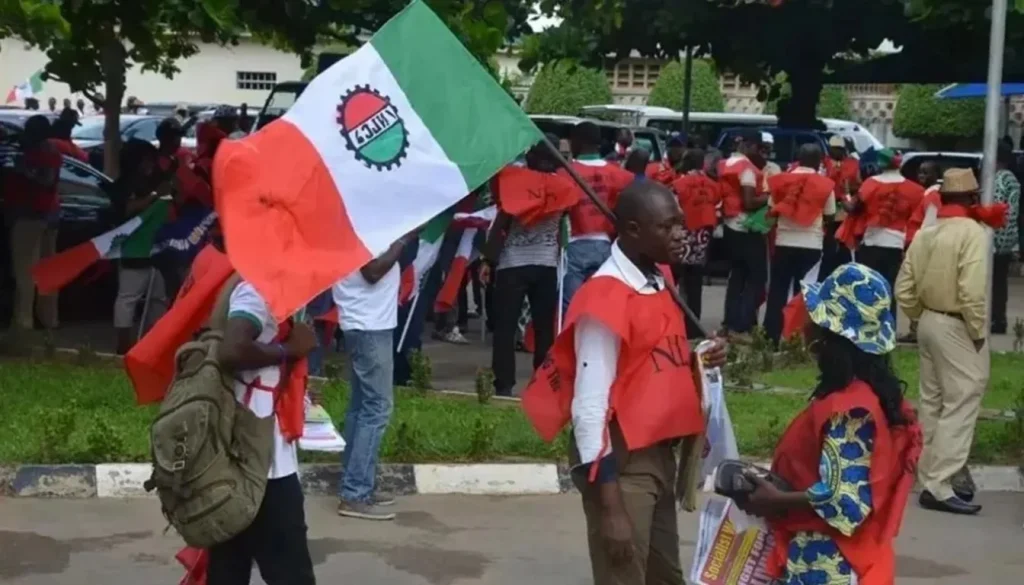
This May Day celebration will be nothing like any other in the history of Nigeria.
The workers are boycotting the celebration in some states and engaging in street protests against the orders of the Nigeria Labour Congress (NLC).
The reason behind the disturbance in the May Day celebration is none other than the implementation of the national minimum wage of 2024.
Reasons for Protests Rather than Celebration
According to NLC, there are numerous instances where state governments have not completely complied with the new wage bill, which includes the ₦154,000 benchmark wage and the corresponding salary increments.
In an instruction letter from its General Secretary, Emmanuel Ugboaja, the labour union alleges that some states have neglected:
- Minimum wage legislation
- Consequential salary increments
- Timely payment of the new wage
- Key workforce sectors
Some sectors mentioned include:
- Local government staff members
- Primary education teachers
- Healthcare professionals
From NLC’s perspective, it is more than a delay; it is a breach of workers’ rights.
May 1 Program
Workers are expected to refrain from attending any festivities organised by the government and are instructed to:
- Assemble at labour houses or any other designated location at 7:00 am
- March through state capitals in orderly processions
- Hand out formal demands to pertinent government officials
Specific locations will be:
- Government House
- State Assembly
- Heads of Service offices
Boycott Order and Internal Warnings
But the NLC has also taken matters further internally, issuing a warning to its state bodies.
If there is any defiance of the boycott order from any leadership, then sanctions will be applied—an indication of the seriousness of the matter to the national body.
This is intended to promote unity across the nation.
“Let Us Return to the Streets”
In its circular, the NLC portrayed the situation as a continuation of the labor struggle, rather than a time for celebration.
The message conveyed was clear: the minimum wage law was achieved through constant agitation, not merely negotiations, and thus one should not betray such a legacy by participating in ceremonial activities while violations are still ongoing.
Trending Reads You’ll Love
Explore Sudan Civil War Power Struggle?
Discover how Iran’s influence and conflict are shaping Red Sea security risks.
Discover South Yemen Stability Challenges Today?
Check why Africa needs stability across the Red Sea for regional balance.
Check Sudan Brotherhood Ban Impact Now?
Explore how the ban could reshape Sudan’s security and political future.
Explore US Brotherhood Policy Shift Again?
Discover why the US is reconsidering its stance on the Muslim Brotherhood.
Discover America’s Terror Label Push Why?
Check how the US push could redefine global policies on Islamist groups.
Significance Beyond May Day
It is not only about one day.
The protest raises other considerations:
- The state’s defiance of the federal minimum wage policy
- Increasing pressure on public coffers
- Cost-of-living increase faced by workers
- The ongoing conflict between the labour union and the government
In the event of mass adherence, it would drastically affect how May Day is celebrated in Nigeria and perhaps compel them to implement their policies more quickly.
Conclusion
May Day has historically been about protecting the rights of workers. This year in Nigeria, it has become a trial of their rights.
Regardless of whether there will be any policy changes as a result of the protest, what is clear is that the workers have no choice but to demand change.
