
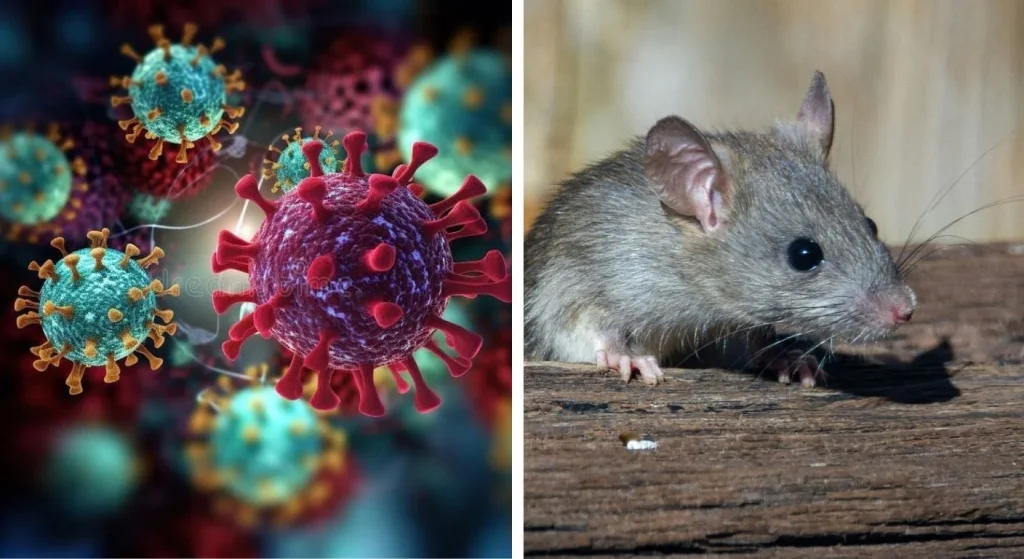
An outbreak of a deadly hantavirus on board a cruise ship sailing in the Atlantic Ocean has led to an international response from European, African, and Latin American nations, but global health authorities are adamant that the situation is not yet another COVID-type pandemic.
There have already been three deaths and confirmed cases of infection on board the Dutch MV Hondius, causing worry due to the fact that the virus causing the outbreak belongs to the rarest variety of hantavirus, known as the Andes variety – the only one able to spread from person to person.
According to the World Health Organization, however, the risk is not that great.
Cruise Ship Incident Report
A first alert was raised when some of the travelers aboard the ship contracted severe respiratory illnesses while sailing from Argentina to Cabo Verde.
WHO officials said that eight people were involved in this hantavirus outbreak as follows:
- Five laboratory-confirmed cases
- Three suspected cases
- Three deaths associated with the virus
The first individual reported experiencing symptoms of the disease on April 6, which led to his death on board. The man’s wife also got sick, and she died upon evacuation in South Africa. Hantavirus infection was confirmed through laboratory analysis.
Before embarking on the ship, the couple had toured Argentina, Chile, and Uruguay on a birdwatching tour in areas endemic for Andes hantavirus-carrying rodents.
What Makes It Unique from COVID-19 According to Health Authorities
The situation rapidly gained traction online, drawing immediate comparisons to how things began for COVID-19.
However, the WHO health authorities strongly refuted these assumptions.
“This is not SARS-CoV-2. This is not the beginning of another COVID pandemic,” said Maria Van Kerkhove, WHO’s acting director for epidemic and pandemic management.
In contrast to COVID-19, hantaviruses cannot be easily transmitted via the air by strangers.
Transmission usually occurs when people are exposed to infected rodents or their saliva, urine, or droppings.
The Andes strain of the virus is unique since there have been some instances of human-to-human transmission reported previously, although it typically needs prolonged close exposure between family members, intimate partners, or caregivers.
What Is Andes Hantavirus?
Hantavirus cardiopulmonary syndrome (HCPS) refers to a deadly respiratory disease caused by rodent-carried hantaviruses found primarily in the Americas.
The Andes strain is particularly dangerous since the virus comes with a mortality rate that might be as high as 50 percent.
Symptoms may include:
- Fever
- Muscle ache
- Weakness
- Difficulty breathing
- Respiratory failure
According to the WHO, the infection’s incubation period may take as long as six weeks.
Joint Reaction in Europe, Africa, and Latin America
An outbreak has resulted in a joint international reaction through the framework of the International Health Regulations.
WHO stated that:
- Spain
- Netherlands
- United Kingdom
- South Africa
- Argentina
- Cabo Verde
have already started cooperating in order to manage the problem together with European disease control organizations.
It was announced that Spain will let the vessel anchor at the Canary Islands after it was denied access by Cabo Verde because of health risks.
Medical staff, WHO representatives, as well as disease control experts from Europe, boarded the cruise ship for the implementation of preventive activities.
Passengers of the vessel still stayed in their cabins, undergoing further sanitation.
Conclusion
Despite causing certain apprehensions regarding such a dangerous virus with the capability of being transmitted among people in the case of the MV Hondius case, the situation is considered to be under control.
Contrary to COVID-19, it has many more limitations regarding the spread of the disease, so current preventive actions seem to be enough to avoid an emergency.
However, due to the long incubation period and patients’ location in various countries, there is a need to stay vigilant.
Stay In The Loop
Explore Sudan Civil War Power Struggle?
Discover how Iran’s influence and conflict are shaping Red Sea security risks.
Discover South Yemen Stability Challenges Today?
Check why Africa needs stability across the Red Sea for regional balance.
Check Sudan Brotherhood Ban Impact Now?
Explore how the ban could reshape Sudan’s security and political future.
Explore US Brotherhood Policy Shift Again?
Discover why the US is reconsidering its stance on the Muslim Brotherhood.
Discover America’s Terror Label Push Why?
Check how the US push could redefine global policies on Islamist groups.
