
In the Democratic Republic of Congo, the delicate political balance appears to have been broken once again, with the opposition leader Martin Fayulu claiming that President Felix Tshisekedi is planning to stay in office despite the constitutional limitation of only two terms.
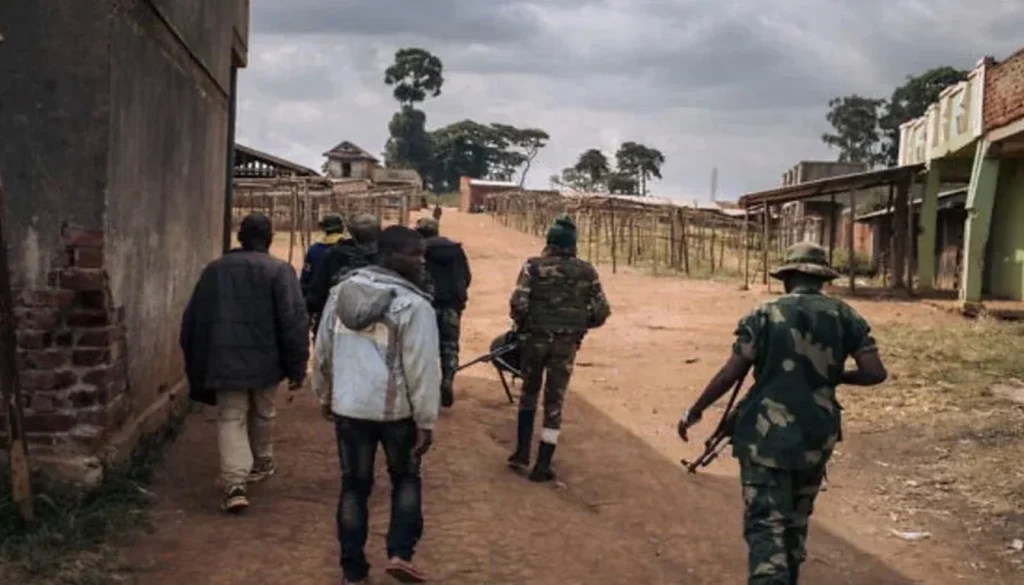
This is occurring amid fighting in eastern Congo by the rebel group M23 that is backed by Rwanda.
Why Fayulu Claims That Congo Is Undergoing a “Constitutional Coup”
In his statements last Friday, Fayulu said that the statements made by President Tshisekedi on his potential third term are an indication that he is ready to do everything to stay in power “at any cost.”
While Tshisekedi did say that he “did not solicit a third term,” he noted that he would accept a third term “if the people wish.”
According to Fayulu, this is a politically charged statement.
This is because the Congolese constitution clearly limits the number of terms that a president can serve to two and does not allow any modifications to those provisions. Currently, a bill is making its way through the national assembly and is designed to facilitate constitutional amendments at times of “major dysfunction” of state institutions.
Fayulu claims that this was a calculated move.
Elections in Eastern Congo Conflict Make the 2028 Elections Debate More Complex
As political tensions escalate, insecurity has been worsening in eastern Congo, with the rebel M23 group continuing to capture land even as diplomacy seeks to defuse the situation.
Even though Kinshasa and Kigali signed an agreement backed by the United States in December, intended to ease hostilities, sporadic violence has been reported in the resource-rich region.
Tshisekedi reportedly mentioned earlier this week that should there be any more insecurity in the country, it might necessitate postponing the upcoming election scheduled for 2028.
According to Fayulu, the government was trying to use the insecurity issue to postpone other future elections.
Why the Link between the US and Constitutional Reform Has Emerged
Another delicate topic has to do with increasing US participation in the Congolese sector of strategic minerals.
According to Tshisekedi, recently, the USA demanded certain governance reforms related to economic cooperation and investment negotiations, adding that these reforms might require constitutional changes.
Fayulu disagreed with this point of view, stating that the sovereignty of Congo cannot be formed under foreign pressure or threats to its security.
The Democratic Republic of the Congo contains the biggest deposits of cobalt, copper, and other minerals that are necessary for the production of electric cars, batteries, and technologies, which makes Congo highly valuable to Western countries fighting against China for control of resources.
Conclusion
With the ongoing war in the eastern parts of the country and rising political tension in Kinshasa, the battle for the constitution becomes one of the most significant political questions on the horizon before 2028.
The future will tell whether this problem will remain purely hypothetical or turn into a real constitutional clash, depending on the development of the security crisis within the next couple of years.
Explore More Must-Reads
Check top food markets in Africa
Explore vibrant markets offering authentic flavors every traveler should try.
Discover African countries with fastest internet
Check which nations offer top internet speeds and digital connectivity.
Explore best Mara River lodges views
Discover top lodges for witnessing the Great Migration river crossings.
Check hidden natural spots in South Africa
Explore peaceful and lesser-known destinations for a quiet travel experience.
