
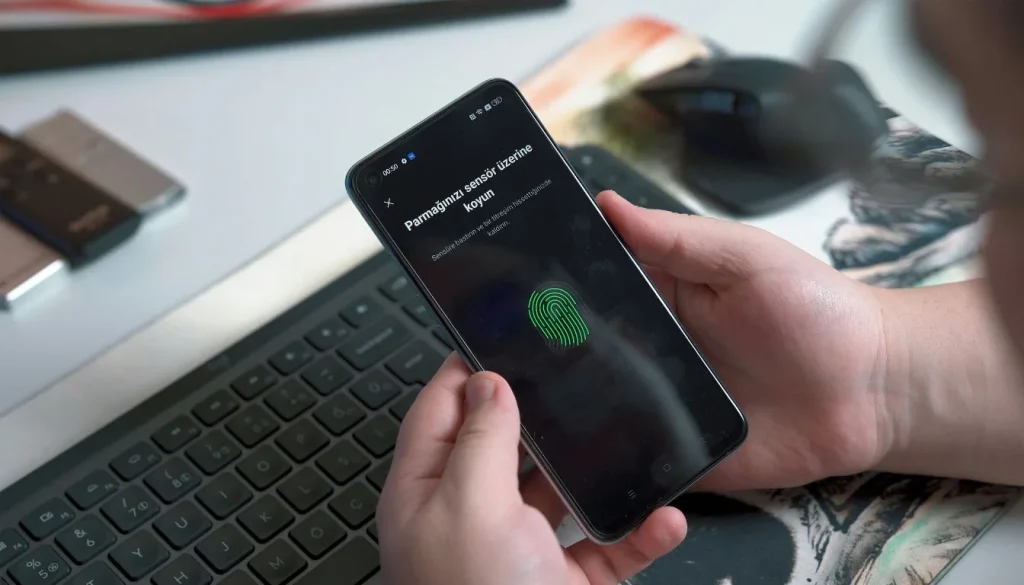
South Africa’s further transition into the digital world is also evident from the creation of a new digital ID system, through which residents can be able to authenticate and maintain their ID cards on their phones.
South Africa Digital ID, Initiated by the Department of Home Affairs, the digital ID initiative seeks to facilitate better and more convenient identity verification among South Africans while reducing incidences of fraud. While the new scheme represents a departure from current practice, it has been assured that its use will be entirely optional.
What follows are key aspects of the new digital ID scheme in South Africa and those who may be affected by it.
What Is the New Digital ID System in South Africa?
With the new approach, citizens can save digital credentials of relevant papers, including ID cards, birth certificates, and marriage certificates, on their mobile devices.
Facial recognition and presence detection would be the techniques used for identification. Hence, individuals would be able to confirm their identity in any remote location without necessarily carrying the physical ID with them.
According to authorities, the move is just one aspect of a larger strategy for modernizing public services and digital governance.
Who Is Involved?
South African Citizens
The group most affected by the development would be citizens who decide to make use of the digital ID system.
Notably, it should be mentioned that the authorities have already made clear that the digital ID will not replace traditional documents. The Smart ID card and the green ID book will still be legitimate forms of identification.
Corporations and Financial Institutions
According to the government, corporations such as banks and insurance companies should also see benefits in having a more robust identification and verification system.
Since businesses can use biometric authentication and remote verification to prevent any possible fraud, they will be able to safely perform customer onboarding and improve the overall user experience. The project aims to help the country combat issues related to identity theft and cybercrime.
Remote and Rural Areas
Digital services have the potential to greatly benefit those who live too far away from the offices of the Department of Home Affairs.
As the process of digitization of public services is ongoing, it is possible that citizens would not need to travel very far in order to perform their administrative activities.
Role of the MyMzansi Initiative
It is worth noting that the digital ID is part of the broader digital public infrastructure, including the MyMzansi platform.
According to officials, the MyMzansi platform is likely to become a one-stop shop for all citizens to access various digital credentials and government services. There are already discussions about integrating such things as driving licenses and education certificates into the initiative.
More Developments by the Department of Home Affairs – Smart ID Services
In addition to the digital IDs program, the Department of Home Affairs has been making further inroads into the banking sector through agreements that are aimed at facilitating easier access to Smart ID services.
Currently, applicants can use bank branches in order to apply for and collect their Smart IDs, making the process faster and alleviating some burden off the shoulders of government officials.
Conclusion
The move towards digitization in South Africa will be a significant milestone that is geared towards streamlining interactions with various public agencies. Thanks to the ability to store all official documents securely in one’s smartphone, citizens of South Africa will be able to interact with various institutions in an easier way while minimizing any instances of fraud and abuse.
Discover More Insights
Why South Africa Faces Record Joblessness?
Explore how South Africa’s unemployment crisis is hitting record highs and what it means for the country’s economic future.
Why Ghana Youth Reject Free Rice?
Discover why Ghana’s youth are rejecting aid and demanding sustainable job opportunities instead.
Which Freelancing Platforms Work Best Africa?
Check the top freelancing platforms offering real income opportunities for Africans in 2026.
Why Africa’s Middle Class Still Struggles?
Explore how economic growth is failing to deliver stability for Africa’s expanding middle class.
How Nigerians Can Earn Dollars Online?
Discover practical ways Nigerians are earning in dollars and boosting their income in today’s digital economy.
