
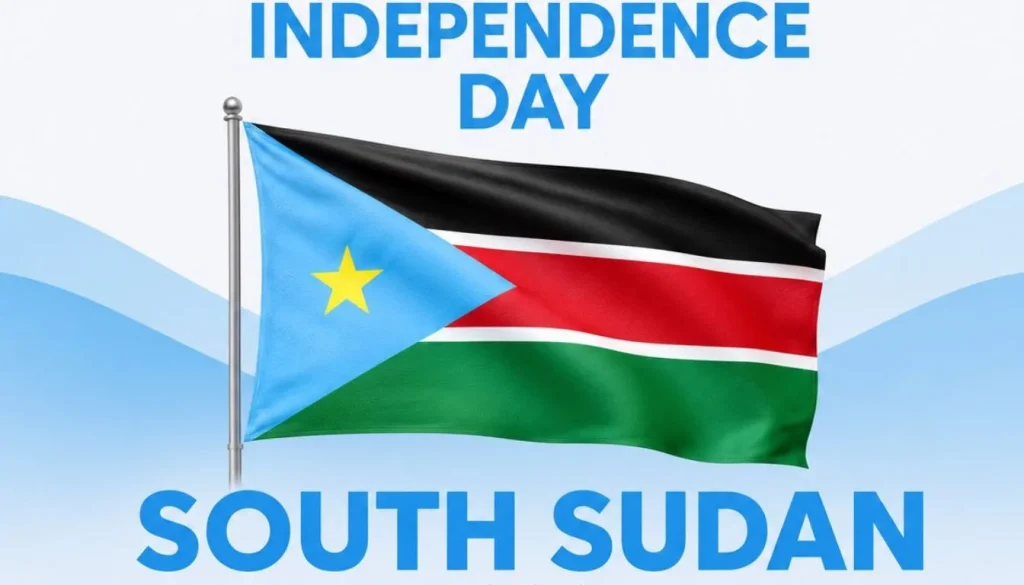
July 9, 2026, marks the 15th anniversary of South Sudan’s independence. It is the most important milestone in its history, where it was supposed to reach peace, stability, and economic success. South Sudan independence challenges, However, the world’s newest country still faces numerous problems – political instability, economic hardships, humanitarian emergencies, and unfinished peace reformations.
Since South Sudan gained its independence from Sudan in 2011, the country has been going through civil wars, forced migration, and various humanitarian crises. Though the 2018 Revitalized Agreement on the Resolution of the Conflict in South Sudan (R-ARCSS) has decreased major conflicts in the country considerably, not all of its parts have been carried out yet.
Peace Agreement Has Not Yet Been Fully Implemented
The Revitalized Agreement is the core of South Sudan’s political transition, but its implementation is very slow.
Major reforms, including the restructuring of the security sector, the use of unified national forces, constitutional changes, and institution rebuilding, have continued to be repeatedly postponed. The analysts note that not more than 25% of the terms have been fully implemented from the agreement.
Localized violence in areas like Upper Nile, Jonglei, and other parts has been continuing to undermine the peace process and the displacement of civilians.
South Sudan is expected to conduct its first general elections after gaining independence in December 2026, but credible elections are expected to happen through improvements in the security situation, the constitution, and political participation.
Economic Struggles Continue to Affect the Citizens
The economic situation has been among the biggest hurdles that the nation has had to deal with.
Huge rates of inflation, unemployment, difficulties with the national currency, and late salaries in the public sector continue to bring hardships to citizens. There is a lack of money to cover even the basic requirements of people, while companies suffer from high expenses because of weak infrastructure and a lack of investments.
Being highly dependent on oil revenues has put the economy at risk of changes in the world oil market.
Humanitarian Needs Are Persisting
Humanitarian organizations stress that the South Sudan situation is among the most complicated humanitarian crises in the world.
The impact of the ongoing conflict, climate change-induced natural disasters, the problems related to food security, as well as the influx of 1.2 million refugees and returnees from Sudan, where there is conflict, has created significant pressure on scarce resources.
Health-care organizations struggle to work due to the increasing needs for trauma treatment, emergency response, nutrition, and protection programs.
The challenges with the seasonal flooding, damaged infrastructure, and insecurity prevent humanitarian workers from delivering necessary assistance to vulnerable people.
Donor funding continues to be stressed in order not to allow the humanitarian situation in South Sudan to worsen.
Challenges for Women and Communities Persist
According to women’s rights organizations, many of the commitments stated in the peace agreement have not been met.
One of the commitments is the establishment of 35% of women’s participation in public institutions; however, its implementation is still irregular. Civil societies also demand legislative protection against gender-based violence, child marriages, and discrimination.
On the community level, conflicts over land, cattle, and resources in certain areas keep fuelling insecurity, while clean water, education, and healthcare continue to be inaccessible to many people.
This clearly underscores the need for enhancing the governance on the community level along with the national political transformations.
Can South Sudan Live up to Its Independence Dreams?
Though there is much trouble ahead, many Sudanese people still believe that dialogue, institutional reforms, and proper execution of the peace deal may help bring stability to the country.
The next elections are seen as an important step towards peace and development, but specialists warn that elections themselves cannot solve the structural issues in the country. Peace in the long term will require strong institutions, economic reforms, anticorruption strategies, improvements in service delivery, and national reconciliation.
Now, fifteen years after gaining its independence, South Sudan faces the choice at an important crossroad.
Trending Reads You’ll Love
Explore Sudan Civil War Power Struggle?
Discover how Iran’s influence and conflict are shaping Red Sea security risks.
Discover South Yemen Stability Challenges Today?
Check why Africa needs stability across the Red Sea for regional balance.
Check Sudan Brotherhood Ban Impact Now?
Explore how the ban could reshape Sudan’s security and political future.
Explore US Brotherhood Policy Shift Again?
Discover why the US is reconsidering its stance on the Muslim Brotherhood.
Discover America’s Terror Label Push Why?
Check how the US push could redefine global policies on Islamist groups.
