
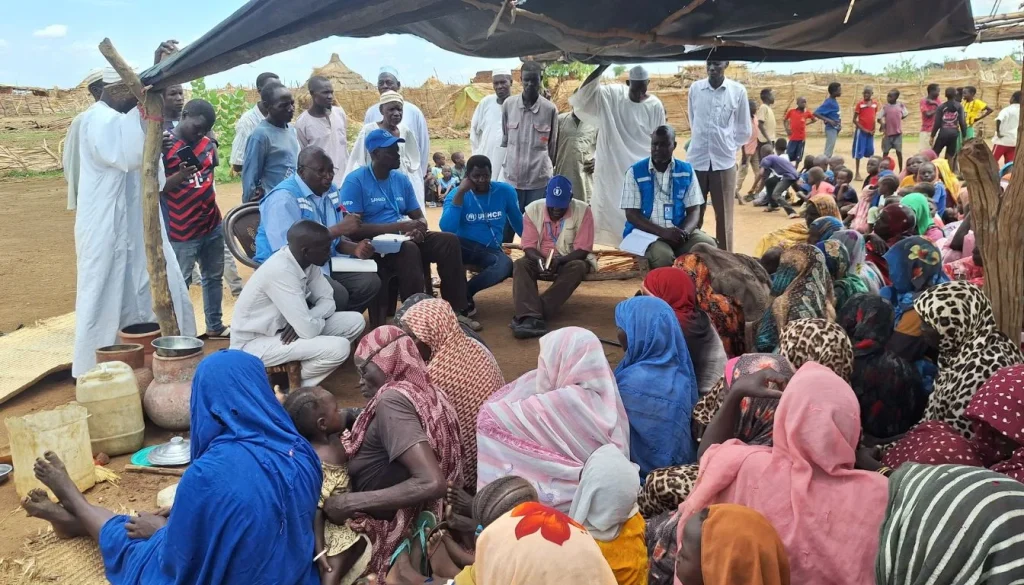
The Sudanese Civil War has now entered its most destructive stage as the conflict between the Sudanese Armed Forces and the Rapid Support Forces shows no sign of stopping. Sudan conflict explained, Over three years since the violence began, millions of people have been displaced, the economy of the country has been shattered, and this conflict has caused what the UN calls the world’s worst humanitarian crisis.
While international attempts to end this conflict are continuing to falter, both parties continue to concentrate on their military objectives, thereby forcing civilians into the crossfire. Here is why the conflict is still escalating.
What are the key armed factions in Sudan?
Sudanese Armed Forces (SAF)
The Sudanese Armed Forces (SAF) constitute the military of Sudan under the leadership of General Abdel Fattah al-Burhan. Since the onset of the crisis in April 2023, the Sudanese army has been able to retain control of some strategically important areas, which include the administrative centers of the country located in Port Sudan.
The SAF considers itself the official military of the state that is tasked with defending the territorial integrity of Sudan. The military campaigns of the SAF have revolved around retaking areas that were captured by the RSF and retaining control over strategic infrastructure.
Rapid Support Forces (RSF)
The Rapid Support Forces (RSF) are controlled by Mohamed Hamdan Daglo, also referred to as “Hemeti.” The militia force emerged from the Janjaweed forces active during the Darfur conflict.
The RSF holds control over sizable parts of the region of Darfur and other regions as well, thus profiting from the trade routes, mining, and income derived therefrom.
How Did the Conflict Emerge?
Military Integration Failure
The roots of the current conflict in Sudan can be found in the political changes that occurred after the fall of the previous president, Omar al-Bashir.
In particular, the issue that led to the failure was the integration of the RSF into the national army. Both sides disagreed on the terms of integration, namely, the timeframe, command structure, and leadership of the unified armed forces. The political dispute gradually transformed into an open war in April 2023.
Struggle for Political Power
Besides the military integration, the two conflicting parties are vying for the right to govern Sudan.
Moreover, the long-lasting struggle has weakened the state institutions while escalating the existing differences between political opponents.
The Role of Foreign States in the War
The role of foreign powers and entities in the war has grown as both sides are said to have received various forms of assistance from international and regional players.
It is argued that Sudan has become more and more the object of geopolitical interests.
Gold mining, in particular, has become a significant source of revenue, giving armed groups financial independence and making them less willing to reach any kind of political agreement.
Humanitarian Situation Keeps Getting Worse
The civil war has resulted in tragic human costs to the population of Sudan.
As reported by various humanitarian organizations, more than 14 million people have been forced to leave their homes, which makes Sudan the worst case of displacement worldwide. Hundreds of thousands of people are now suffering from malnutrition because farms, markets, and supply lines have been destroyed or disrupted.
In addition, the healthcare system in the country has been badly damaged; many hospitals have been destroyed or cannot provide healthcare anymore. Disease outbreaks have emerged as a result of a lack of clean water and access to medical care.
Humanitarian organizations also emphasize the fact that due to restricted access and hostilities, millions of vulnerable people do not receive any help.
Is There Any Way That the Conflict Can Be Resolved?
Although there have been many attempts at international mediation, the chances of reaching a lasting ceasefire are far from certain.
The peace talks keep running into trouble because of disputes over withdrawals of troops, representation, and accountability. Meanwhile, the SAF and RSF continue their struggle to capture territories, further complicating the task of diplomats.
Until the situation gets resolved politically, Sudan is expected to keep playing host to one of the most serious humanitarian crises in Africa, with countless people paying the price for an endless conflict.
Trending Reads You’ll Love
Explore Sudan Civil War Power Struggle?
Discover how Iran’s influence and conflict are shaping Red Sea security risks.
Discover South Yemen Stability Challenges Today?
Check why Africa needs stability across the Red Sea for regional balance.
Check Sudan Brotherhood Ban Impact Now?
Explore how the ban could reshape Sudan’s security and political future.
Explore US Brotherhood Policy Shift Again?
Discover why the US is reconsidering its stance on the Muslim Brotherhood.
Discover America’s Terror Label Push Why?
Check how the US push could redefine global policies on Islamist groups.
