
Last updated on August 14th, 2026 at 09:00 am
Africa Could Face a $10-20 billion economic hit if a powerful Super El Niño occurs, the African Development Bank (AfDB) warns, threatening food security, trade and livelihoods across the continent.
The threat could lead to a drop in GDP growth in African countries most affected by the phenomenon by 1-2 percentage points, in addition to causing food shortages, infrastructure damage, and additional difficulties in debt and climate financing for already struggling governments.
This statement is made against the background of the observation of the development of El Niño conditions in the Pacific by global meteorologists, which could turn out to be one of the strongest phenomena of its kind ever.
Why does El Niño matter for Africa?
El Niño is the climate phenomenon that causes warming of the ocean waters in some areas of the Pacific and disrupts global weather systems. The effects of the El Niño phenomenon vary significantly in Africa.
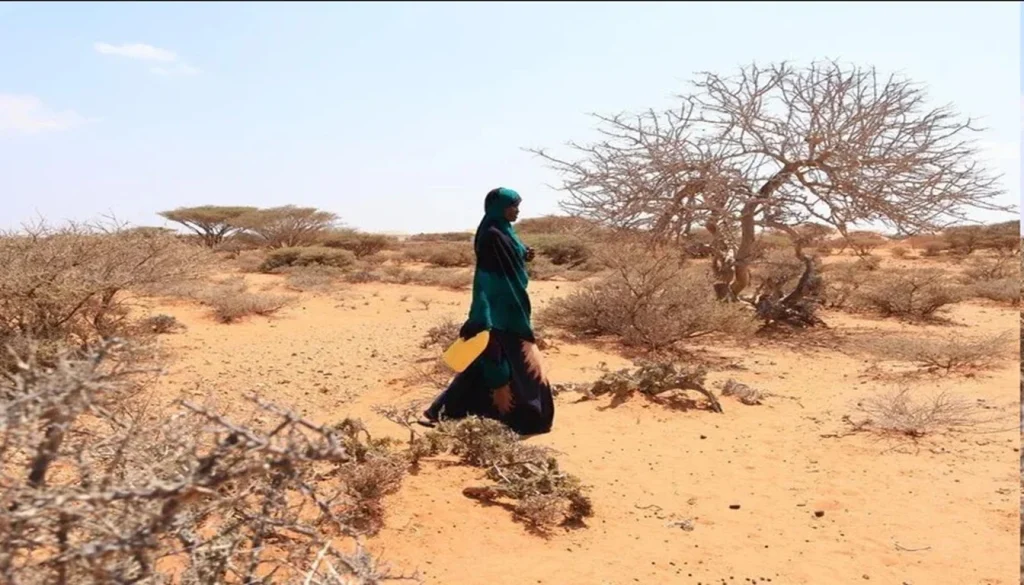
An extreme El Niño could have its most significant effect in agriculture, an area where millions of African households rely on rain to earn a living.
According to the AfDB, agricultural output losses might amount to hundreds of millions of dollars, and there could be a drop in fisheries productivity ranging from 1%-4%.
For countries whose economies are highly reliant on agriculture, low productivity means higher food prices, lower incomes for rural communities, and economic slowdown.
Africa’s biggest 2026 crises and risks—explained in minutes.
Why Are Congo Villages Unsafe?
Check out the latest cease-fire violations and their deadly impact on eastern DR Congo communities.
How Are African Banks Transforming?
Find the newest digital banking trends and service expansions reshaping Africa’s financial sector in 2026.
Which African Nations Face El Niño?
Uncover the countries most vulnerable to El Niño 2026 and the climate threats they may confront.
Why Is South Africa Bracing?
Look into why experts warn that a possible “Super Drought” could severely affect South Africa in 2026.
Which Countries Face Biggest Losses?
Reveal the African nations most at risk as a powerful El Niño could trigger economic losses of up to $20 billion.
Prices of Food Products Might Be a Big Issue
Among other possible threats to be aware of is soaring prices of staple products.
According to the AfDB, maize prices might be expected to at least double due to severe weather events. This would add extra strain on those families who already find living expenses high.
This problem will affect people through a chain of effects:
Drought/floods – low harvest – low supplies of food – rise in prices – reduced purchasing power.
Countries might even have to import more food because of the low level of domestic production. And for those countries experiencing currency weaknesses or foreign-exchange issues, food products become more costly.
Climate Shock Could Prompt Migration
There may be other knock-on effects besides those on food security.
Drought and flooding can disrupt livelihoods, displace farmers, and cause competition for water and other resources. This could result in increased internal displacement and, in the worst-case scenario, lead to cross-border migration.
Some of the countries that could be most at risk include Sudan, South Sudan, Somalia, Mali, Burundi, Nigeria, and the Democratic Republic of Congo.
There would be even greater risks of displacement in countries suffering from conflict or humanitarian crisis, because climate shock could exacerbate existing problems.
Africa Faces a Significant Financing Challenge
The potential El Niño effect underscores Africa’s climate adaptation challenge as well.
According to the AfDB, as much as $100 billion will be needed for climate adaptation in Africa, which is higher than previous estimates.
Infrastructure such as irrigation systems, drought-resistant crops, water storage facilities, flood control systems, and early warning systems can help nations mitigate economic loss before natural disasters happen.
But there are many countries that lack budgetary space to invest in these areas.
What’s Next?
In the coming months, it will all come down to the forecast and risk assessment of meteorological organizations and governments.
There is a lessened impact that African countries can make on their own by bolstering food stocks, developing warning systems, safeguarding water sources, and helping out poor farmers.
To the international financing organizations and climate finance agencies, the warning serves as yet another one in a long list of reminders that climate adaptation financing must get to vulnerable nations ahead of time, not afterwards.
A severe El Niño event, in that context, would no longer just be a meteorological issue for Africa. It could be a costly humanitarian problem too.
