
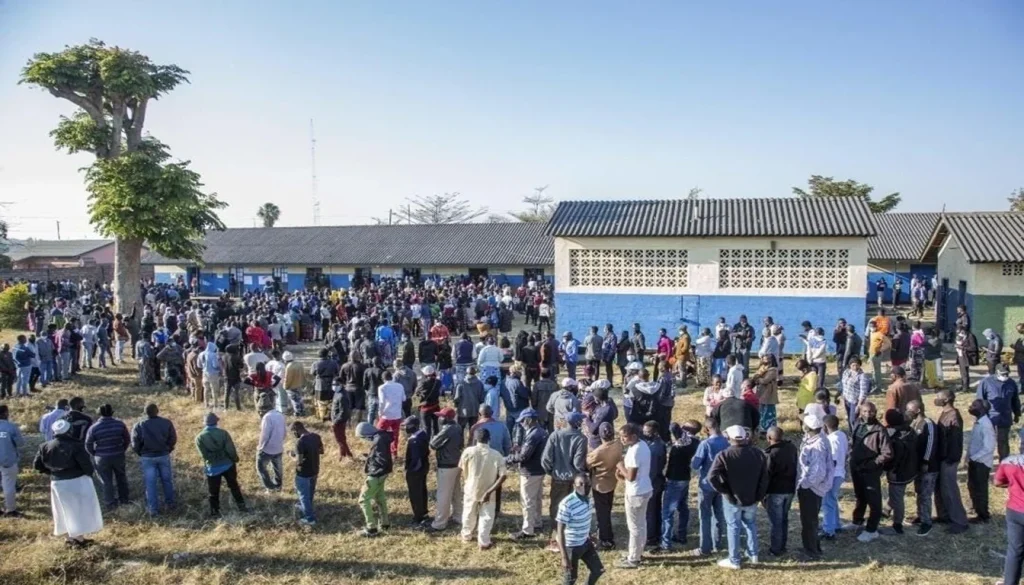
Zambia Votes Today: The people of Zambia go to the polls today in a Presidential election which will be used to find out whether President Hakainde Hichilema’s economic policies have been satisfactory enough to see him through to his second term in office.The people of Zambia go to the polls today in a Presidential election which will be used to find out whether President Hakainde Hichilema’s economic policies have been satisfactory enough to see him through to his second term in office.
Voting will start from 6 am local time today in Zambia, where there is an expected turnout of over 8.7 million people who have registered to vote. The results of the elections are expected on August 17, with more than half the votes needed to avoid going into a second round.
Economy at the Forefront
Cost of living is among the biggest problems affecting the electorate.
In excess of 70% of the population of Zambia survives below $3 per day, based on the figures presented by the World Bank. Despite the drop in inflation to 6.8% in April and appreciation in the value of the Zambian Kwacha, high prices of basic items such as food, fuel, and others still remain an issue.
The unemployment rate is still hovering around 10%.
Hichilema, aged 64, is contesting the presidency on the back of the achievements recorded by his administration in terms of economic recovery, job creation, and construction of infrastructure.
He won the last election after five unsuccessful attempts and now aims to win his fifth five-year term as the head of state.
Hichilema Contests Against 13 Presidential Candidates
The president will contest the presidency against 13 other aspirants, with his top contender being Brian Mundubile, who is contesting on the ticket of a new party known as NRPUP.
Brian Mundubile is 55 years old, and he will run the campaign on the need for a political reset.
Furthermore, Mundubile has challenged the government for denying opposition parties the freedom to campaign. The fairness of the upcoming election is another issue of concern.
Track Zambia’s election twists and what they could mean for leadership, business confidence, and the country’s economic future.
Why Investors Watch Zambia’s Vote?
Check out how the August election is shaping investor confidence and business expectations.
How Did Hichilema Secure Victory?
Find out what helped Hakainde Hichilema win Zambia’s presidential race.
Can Hunger Promises Deliver Change?
Uncover the impact of Hichilema’s pledge that no Zambian should sleep hungry.
What Made Opposition Win Historic?
Browse the key factors behind Hichilema’s 2.8 million-vote election triumph.
Who Will Lead Zambia Next?
See why today’s presidential vote is being closely followed across Zambia and beyond.
Concerns Regarding Democracy
The ongoing election comes amid wider discussions concerning Zambia’s democratic atmosphere.
Zambia has been known as one of the most stable democracies in Africa. However, opposition activists and other critics have claimed that Hichilema’s government has reduced room for dissenting voices.
On the other hand, the government points out its economic reforms and infrastructural initiatives as indicators of achievements made after coming into office.
Thus, the results of the election can speak not only about economic performance but also about voters’ opinions regarding the political openness of the government.
Election of Parliamentarians
In addition to the presidential election, Zambians will elect members of the Parliament.
The number of parliamentary seats will increase from 156 to 226, which might lead to significant changes in the composition of the legislative body.
Moreover, regional trends might prove to be very influential in this election. Hichilema enjoys most of his support in southern and western parts of the country, while the former Patriotic Front has strongholds in the northern and Copperbelt regions.
What Comes Next?
The presidential contest is expected to garner a lot of attention as voting is done and tallying of the votes starts.
In case none of the candidates gets at least 50% of the vote, a runoff will be necessitated in Zambia.
For Hichilema, the contest will be viewed as a litmus test of how successful he has been in changing lives in the country through the implementation of his policies.
To the opposition, it will be a chance to criticize the incumbent government on its performance and advocate for change.
The cost of living, employment, economic recovery, and democracy are major issues that feature in the campaign period in Zambia.
