
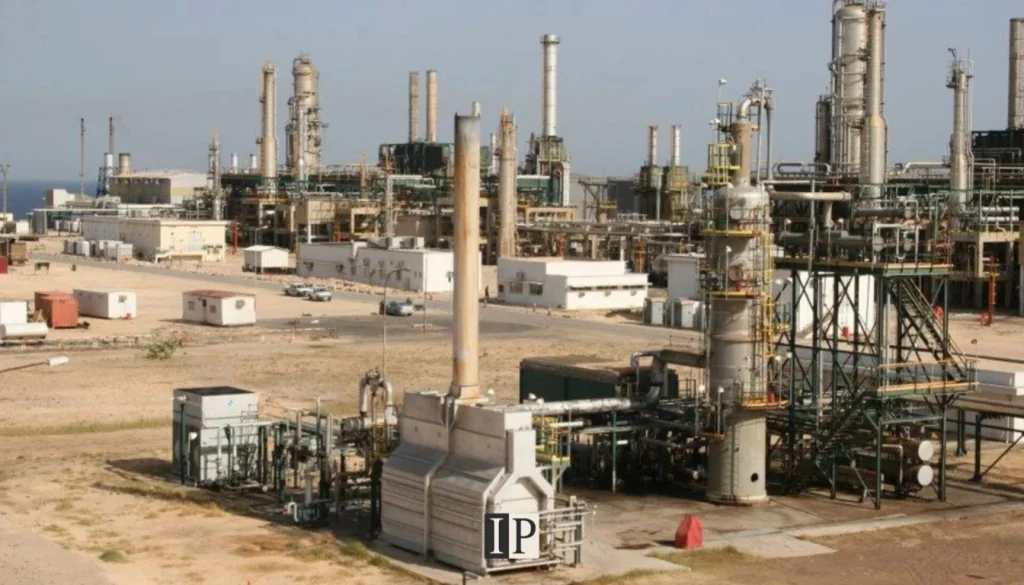
Oil production in Libya has been affected by another serious disruption following the sabotage of a valve in the pipeline transporting crude oil from the Sharara oilfield to Zawiya, leading to a drop in production by 200,000 barrels per day (bpd). This development is bound to cause additional worries for the Libyan government as far as its oil exports and revenues are concerned.
What Has Happened at Sharara?
According to reports, an armed group had sabotaged Valve No. 7 of the pipeline at Sharara on September 21.
This pipeline, which is under the operations of Akakus Oil Operations, connects the western Sharara field to Zawiya on the Mediterranean coast. This action caused a buildup of pressure in the pipeline network, resulting in the disruption of one of the biggest oilfields in Libya.
According to two engineers working on the field, as reported to Reuters, the output had reduced by an estimated 200,000 bpd, resulting in production of between 100,000 and 105,000 bpd. The Sharara field has a production capacity of 300,000 bpd.
How Could the Shutdown Become Even Worse?
The first challenge being faced is that technical teams have not been able to access the affected field.
The NOC explained that it had tried to contact the Petroleum Facilities Guard in southwestern Libya to secure the site; however, there had been no success in this regard. Additionally, technical teams were unable to access the site around Valves 6 and 7.
It added that if Valve No. 7 continues to remain closed, production, transportation and exports from Sharara would ultimately be halted.
The NOC also explained that any long-term disruption might compel the Zawiya refinery to halt operations, due to which fuel imports from other countries may become necessary for Libya.
Can Libya Invoke Force Majeure?
NOC has indicated that there could be a force majeure declaration in case the production disruption continues.
Force majeure can be declared in situations where conditions outside the control of a company prevent its fulfillment of the obligations under the contract. In the case of Libya, this is important since Libya’s economic performance depends on the oil sector. There have been production disruptions in the past as well, ever since the 2011 revolution.
This particular production disruption also comes after production disruption at other Libyan oil fields in September, when guards from the Petroleum Facilities Guard shut down another pipeline and threatened production disruption over administrative and financial demands. The NOC had said at the time that total production stood at 1.4 million bpd while Sharara was still operating normally.
What Does It Imply for Libya’s Oil Industry?
The disruption of Sharara happens during a particularly critical period for international energy markets since oil prices are already being impacted by geopolitical conflicts and other interruptions in supply.
In the case of Libya, the problem is a domestic one. Any interruption at the Sharara oilfield will reduce export revenues, disrupt refinery supply, and increase pressure on oil imports.
The NOC appealed for the pipeline to be restored immediately and for the oil infrastructure to be secured against further interruptions. For now, the duration of the disruption and the armed group behind it are unknown.
Libya in Focus: Oil, Politics & Power
What’s Happening With Libya’s Oil?
Check out the latest developments surrounding Libya’s oil sector.
When Will Libya Restart Oil Production?
Find out when oil production could resume according to Haftar.
How Much Has Libya Lost?
Uncover the economic impact of Libya’s ports blockade.
Can The New Deal End Deadlock?
Explore how the UN-backed agreement could affect Libya’s political impasse.
Why Did Libya Leave Geneva Talks?
Look into the GNA’s decision following the Tripoli port attack.
