
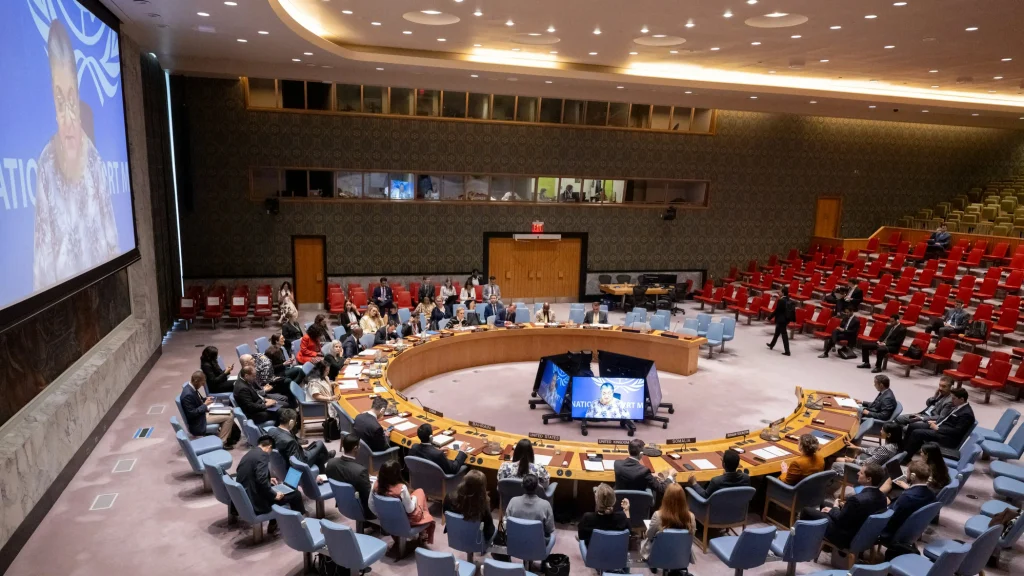
Libyan rival political factions have signed a new deal backed by the UN with the intention of solving their political deadlock and holding elections in 24 months.
The agreement was brokered by the United Nations Support Mission in Libya (UNSMIL) in Tripoli to settle disputes regarding the electoral law and the organizing body of the elections.
This might be an important milestone in bringing an end to the divided political system in Libya, but previous attempts to reach electoral agreements have always ended up failing.
What Does the Latest Agreement on Libya Elections Include?
The accord binds Libya’s warring factions to strive for presidential and parliamentary elections within two years’ timeframe. A critical aspect of the agreement includes the resolution of disputes over the legal framework needed for the holding of such elections.
So far, Libya has failed to reach an agreement regarding the regulation of national elections, which involves a discussion over the legal aspects of elections and the roles of the competing state institutions. The previous round of UN-led negotiations aimed at reaching an agreement on the constitutional and legal basis for the holding of such elections, however, failed to produce any tangible results.
That is why the new agreement puts much weight on the resolution of the disputes over the institutions prior to conducting national elections.
Why Has It Been So Difficult to Conduct National Elections in Libya?
The country has been politically polarized since the overthrow of the regime of Muammar Gaddafi in 2011.
A UN-sponsored ceasefire in 2020 helped mitigate risks of an ensuing large-scale civil war and paved the way for elections. The organization organized presidential and parliamentary elections, but they were indefinitely postponed in December 2021 due to disagreement among the political parties concerning the terms of the election and the eligibility of the candidates.
However, all subsequent attempts to resume the process of elections have been hindered by disagreements between the rival political institutions of Libya.
Political Opposition May Spoil the Agreement
The main issue is the commitment to implementing the deals reached among themselves by the competing factions of Libya.
Previous experiences have shown that it is always easier to reach a political deal than to put it into effect. Constitutional issues, the problems related to elections legislation, legitimacy of institutions, and control over state resources have hampered the process of transition several times.
This time, the agreement is reached at a moment when Libya still works with two competing political centers.
What Comes Next?
The primary task will be to turn the agreement into concrete preparations for the elections, including resolving any pending legal challenges, improving election infrastructure, and creating an environment where people can vote without sparking new political and security conflicts.
UNSMIL will continue playing its role in trying to reconcile Libyan factions and create a comprehensive political process.
For the citizens of Libya, however, the true importance of the agreement will lie in whether the 24-month deadline holds up amid the political strife that brought down all past election initiatives.
What’s Next for Libya? Explore the Latest Developments
- Who Is Behind Libya’s ICC Trial?
Check out the key details behind Khaled El Hishri’s confirmed war crimes charges. - What Changed Before Libya’s Elections?
Find the latest political developments shaping Libya’s path toward greater stability. - Can Libya Host AFCON Successfully?
Uncover whether Libya’s stadiums can meet CAF requirements for AFCON hosting. - Can Libya Bring AFCON Back?
Dive into Libya’s ambitious bid to host Africa’s biggest football tournament after 44 years. - Why Is Libya’s Budget Historic?
Reveal how the newly approved unified budget could reshape Libya’s economic future.
Conclusion
The latest United Nations-backed agreement provides yet another possible way out of Libya’s political impasse. While the decision to hold presidential and parliamentary elections within 24 months is important, it is still no guarantee that the voting will happen. Whether or not this strategy will succeed in the end will come down to how successful the conflicting parties are going to be in overcoming their institutional differences and living up to their word.
