
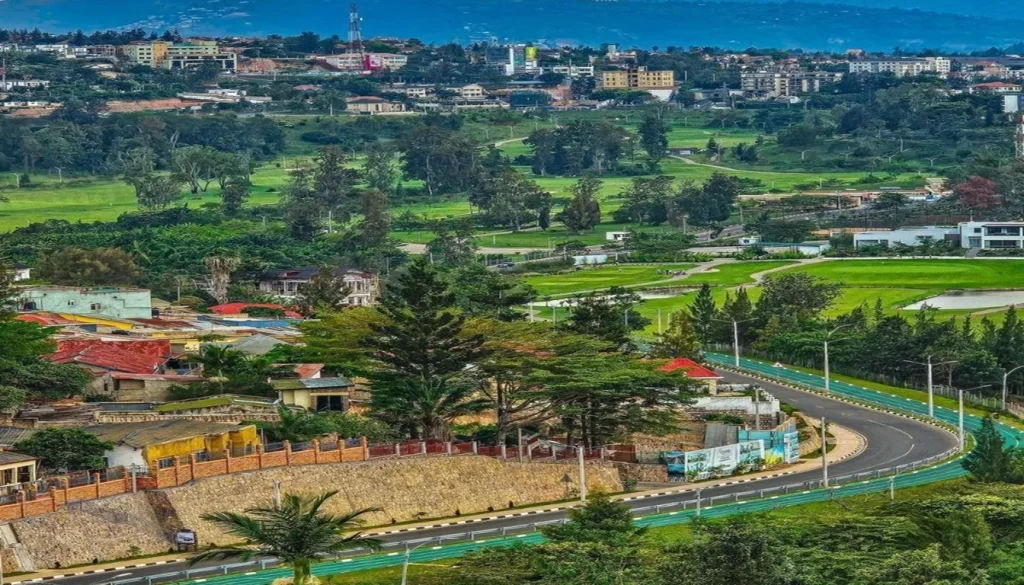
Walk through Lagos, Nairobi, Kinshasa or Abidjan today and you are standing inside the biggest demographic shift in human history. The link between rapid urbanization and security challenges in Africa is no longer a topic for conference panels alone, because it now decides who is safe, where violence lands, and how governments must protect their people. According to the Africa Center for Strategic Studies, the continent is the fastest urbanizing region on earth, with its cities growing by about 3.5 percent every year.
A Continent Moving to the City
The numbers are hard to ignore. More than 700 million Africans already live in urban areas, close to half the population, and that figure is expected to double to about 1.4 billion by 2050. By then the continent will hold roughly 2.5 billion people, and around 80 percent of the new arrivals will be born into or move to cities.
Africa already has more than 60 cities with over a million residents, which puts it level with Europe. By mid-century that number could reach 159. No other region has expanded its urban footprint this fast, and our security systems were not designed for it.
Why the Cities Keep Filling Up
People often assume this growth is just villagers heading to town, but it is more layered than that. In Uganda, Ethiopia and Rwanda, researchers find that most urban growth, between 60 and 70 percent, comes from babies born in the cities themselves. Better health care has cut death rates while urban families remain large.
Migration still matters, of course. Nairobi, Dar es Salaam and Accra pull in young people chasing jobs, schools and a shot at something better, whether in formal offices or the informal hustle of the market.
Then there are those who leave because staying is dangerous. In Mali, Niger and Burkina Faso, militant violence, hunger and flooding have uprooted millions, and many have ended up in Bamako, Niamey and Ouagadougou. These families arrive in cities that were already stretched.
When War Comes to Town
Here is the twist. Africa’s armed conflicts are still mostly rural. In 2024, about 74 percent of organized armed violent events took place in rural or semirural areas, and only 26 percent in towns and cities. Most insurgent groups, especially in the Sahel, thrive where the state is thin and the population is scattered.
But the gap is closing. In 2024, 587 of Africa’s 4,930 cities recorded deaths linked to organized armed violence, and the trend has been climbing. The Africa Center warns that, as cities grow and wars drag on, African conflicts will look more and more urban.
Sudan offers the clearest warning. It accounts for 38 percent of all urban conflict deaths on the continent, with 5,442 killed. Khartoum, Omdurman and El Fasher have become battlefields in the fight between the army and the Rapid Support Forces, and drones have made city skies dangerous.
The same pattern appears elsewhere:
- In the Sahel, militants struck near Bamako in September 2024, a sign that insurgents are edging toward denser areas.
- In Somalia, al Shabaab uses bombs, IEDs and drones in Mogadishu, Baidoa and Kismayo even while fighting rural battles.
- In Nigeria, Maiduguri has been hit repeatedly by Boko Haram and ISWAP, while criminal gangs add to the toll.
- In eastern DRC, M23 operates around Goma, Bukavu and Uvira.
Just eight countries account for 92 percent of urban deaths from armed violence: Sudan, Somalia, Burkina Faso, Mali, Niger, Nigeria, Ethiopia and the DRC.
The Everyday Violence Nobody Counts
Not every threat carries a rebel flag. Robbery, assault, murder and sexual violence shape daily life in many cities, and they call for different answers than a counterinsurgency does.
Afrobarometer surveys show that 40 percent of urban Africans feel unsafe walking in their own neighborhoods, compared with 33 percent in rural areas. The picture is worse in informal settlements, which house roughly half of Africa’s city dwellers. There, 46 percent of residents say they feel unsafe. Many of these areas have little policing and no easy route to formal courts, so people are left to fend for themselves.
Joblessness adds fuel. When a growing army of young people cannot find work, crime and gang recruitment become tempting options. Cities also serve as gateways for trafficking, since ports in West Africa and other hubs move drugs, weapons and people. The upside is that these hubs are fixed points, which gives law enforcement a chance to disrupt illicit flows.
What Is Already Working
The picture is not all grim. Across the continent, cities and communities are testing practical fixes.
- Better data: Good Governance Africa is building indicators for African cities so that leaders can see where problems are worst before they act.
- Better neighborhoods: The UN’s Participatory Slum Upgrading Programme, running since 2008, now operates in more than 25 African countries. Its third phase in Abidjan, started in 2022, funds roads, water, sanitation, electricity, schools and clinics in five neighborhoods, with communities helping manage the money.
- Jobs for young people: Nigeria’s EdoJobs initiative offers skills training and placement in Edo State. Kenya’s KYEOP has reached over 358,000 young people, and 77 percent of participants found work.
- Policing with the community: In Abobo, a commune of Abidjan, local vigilance committees work alongside the police. They carry messages in both directions, build trust and help prevent crime before it happens.
Rethinking Security for a City Century
Armies remain vital at the borders and against armed groups in the countryside. But the Africa Center argues that governments must also ask how those same groups threaten city populations. Police make up about 48 percent of uniformed security personnel across Africa, so better training for them is a sensible starting point. Decisions on how many officers to deploy, what powers they hold and where they are stationed will all need a fresh look.
There is also a warning here. Treating whole neighborhoods as threats, through cordons, forced evictions and heavy crackdowns, has deepened mistrust in places like Lagos and Kinshasa and hurt ordinary people. Lasting safety comes from understanding these communities, recognizing the role they play in keeping cities alive, and bringing them into the economic and social life of the city.
The Road Ahead
Africa’s cities will define the continent’s future, for better or worse. If planners, police and politicians treat urban growth as a security issue today, the next generation can inherit cities that are productive, fair and safe. If they wait, the cost will fall hardest on the young, the poor and those in informal settlements. The time to adjust is while the cities are still being built.
Discover Africa’s Culture, Growth & New Opportunities
Which African Dishes Are Going Global?
Explore African cuisines and food cultures gaining international attention.
Could Gaming Become Africa’s Next Export?
Discover how Africa’s gaming industry is expanding across global markets.
Why Is Africa’s Farm Finance Gap Growing?
Uncover what the AAA Initiative reveals about agricultural adaptation finance.
What Happened to West Africa’s Giants?
See how the Black Stars and Super Eagles stumbled toward AFCON 2027.
Why Is Kenya Betting Big?
Find out about the $16B refinery project reshaping Kenya’s coast.
