
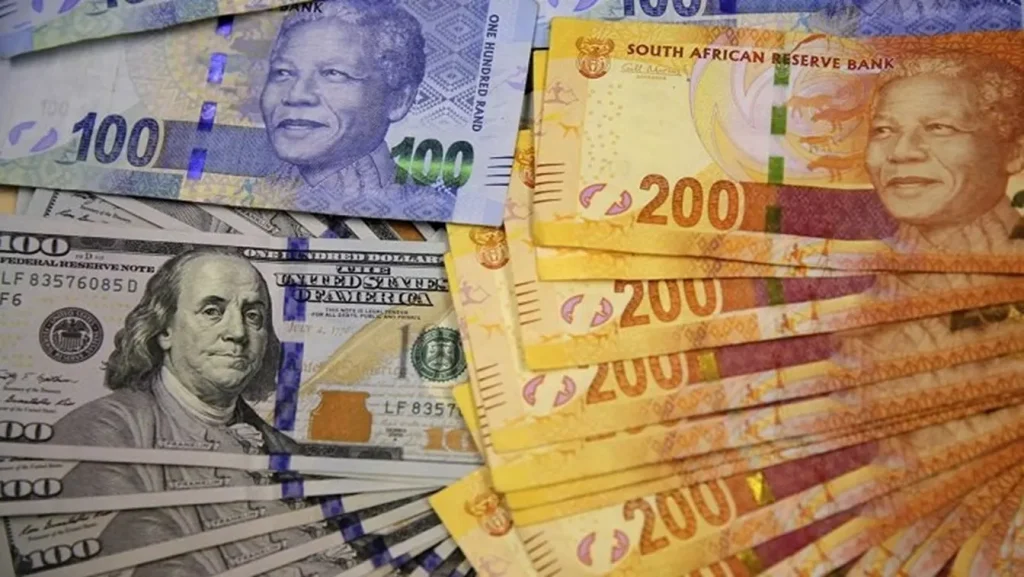
Investors in Johannesburg spent Thursday morning watching the clock rather than the screens. The South African rand was steady in early trade as the market waited for fresh manufacturing figures, helped by a muted dollar while investors weighed the chances of another US Federal Reserve rate hike this year.
A Currency Barely Moving
At 0549 GMT the rand traded at 16.64 to the dollar, just a whisker from the previous close of 16.63. That is a calm start for a currency that has had a bumpy month. One market tracker shows the rand down about 4% against the dollar over the past month.
The rand, like other emerging-market currencies, usually takes its cue from global drivers, including US data and Fed policy, as well as local numbers. The benchmark 2035 government bond was also flat in early deals, with its yield at 8.835%.
The Factory Floor Takes Centre Stage
At 1100 GMT, Statistics South Africa was due to release manufacturing output for August. Analysts polled by Reuters expected a 0.6% year-on-year rise, after a 1.1% rise in July. Nedbank’s economists were more cautious. They expected output to slip back into contraction after July’s temporary rebound.
The reasons are familiar to anyone who runs or works in a South African business. High input and power costs, US tariffs, fuel price hikes and supply shortages all continue to weigh on production and competitiveness, Nedbank said.
Why This Matters Beyond the Trading Floor
Fuel costs have been a pressure point all week. ETM Analytics warned on Monday that much higher oil prices and a weaker rand have hit prices heavily and will add inflationary pressure. The same analysts noted that a manufacturing survey showed sentiment improved in September after three months of contraction, helped by a rebound in new orders.
For ordinary households, a firmer rand can ease the cost of imported fuel, electronics and food. A strong factory sector can mean jobs in a country where work is hard to find. So while a 0.01 move in the exchange rate may look small, the figures landing at midday carry real weight. Traders will now watch whether manufacturers can hold on to July’s gains.
Read More
Africa’s Grandest Gathering Returns: Everything You Need to Know About CTIJF 2026
Why the Rand Is Moving Again and What It Means for South Africans
