
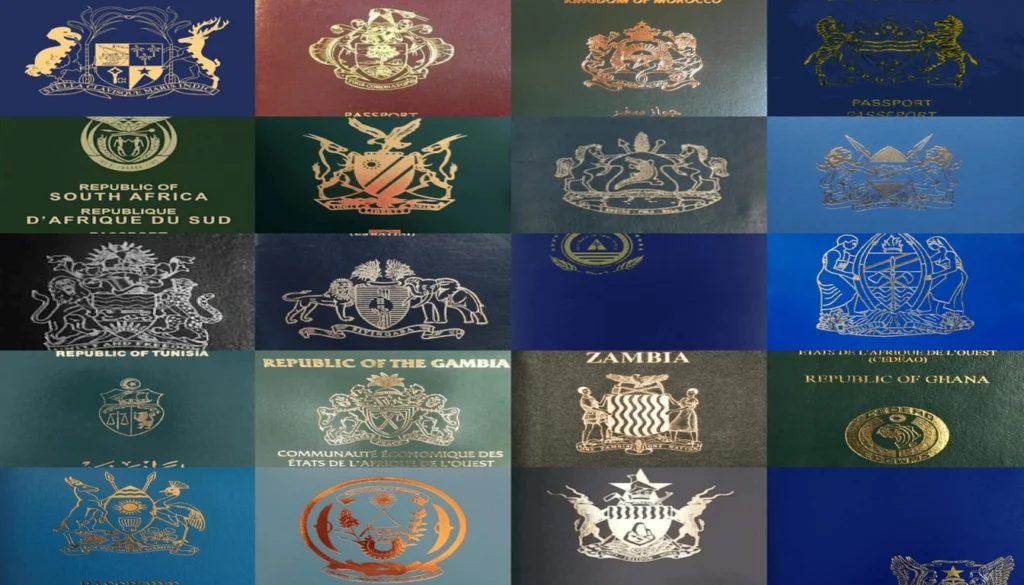
A Nigerian trader wants to sell fabric in Nairobi. A Cameroonian student has a scholarship waiting in Kigali. Both will probably spend weeks on paperwork before they can book a flight. This is Africa’s Passport Problem: a continent that promises unity on paper still makes its own citizens queue at embassies.
A Promise Made Many Times
The dream of borderless Africa is not new. Kwame Nkrumah spoke of continental unity in the 1960s, and the Organisation of African Unity was built on that spirit. Decades later, the African Union adopted its Agenda 2063 vision, which includes an Africa where people move freely and a common passport is normal.
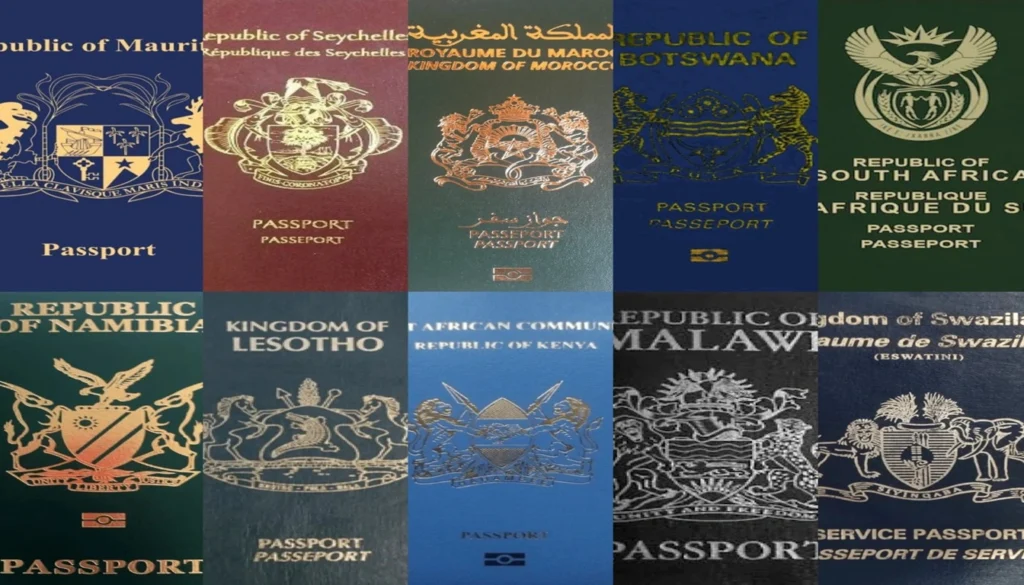
In 2016, the AU launched the African passport at its summit in Kigali. The excitement was real. But the document is still largely limited to heads of state, diplomats and senior AU officials. Ordinary citizens cannot apply for it. Most Africans still carry national passports that open few doors on their own continent.
The Numbers Tell the Story
A traveller from Europe or North America often finds it easier to enter many African countries than an African does. The African Development Bank’s Africa Visa Openness Index has repeatedly shown that African travellers need visas for a large share of the continent’s countries. Visa restrictions also come with fees, long forms, proof-of-funds demands and unpredictable waiting times.
Compare this with the Schengen area, where millions of people cross borders without showing a passport. Europe built that system over decades, and Africa has barely started. The result is that intra-African mobility remains expensive, slow and sometimes humiliating. Flights between neighbouring African capitals often route through Europe or the Gulf, which adds cost and time for no good reason.
The Protocol That Stays on Paper
In 2018, African leaders adopted the Protocol on Free Movement of Persons, Right of Residence and Right of Establishment. It is among the most important African Union protocols on the table, and it aims to let citizens enter, live and work across member states in phases.
Adopting a protocol is only the first step. It enters into force only after 15 countries ratify it, and years later only a small handful have done so. Many governments signed with fanfare and then let the paperwork gather dust. Free movement in Africa has been approved in principle, but it is not yet binding law.
Why Governments Hesitate
Politicians rarely say they oppose free movement. Instead, they cite reasons that sound reasonable.
- Security: Several regions face insurgency, smuggling and trafficking. Governments worry that open borders could make it easier for armed groups to move. The concern is real, but critics point out that closed borders rarely stop criminals, who simply use informal routes.
- Jobs: Countries with high youth unemployment fear that foreign workers will compete for scarce work. Nigeria, South Africa and other large economies have seen tensions flare up, sometimes violently, against migrants from other African nations.
- Revenue: Visa fees bring in money, and border control agencies employ many people. Reform threatens established interests.
- Weak systems: Many countries lack reliable national ID databases and biometric systems, which makes it hard to trust travel documents from neighbours.
Where the Doors Are Opening
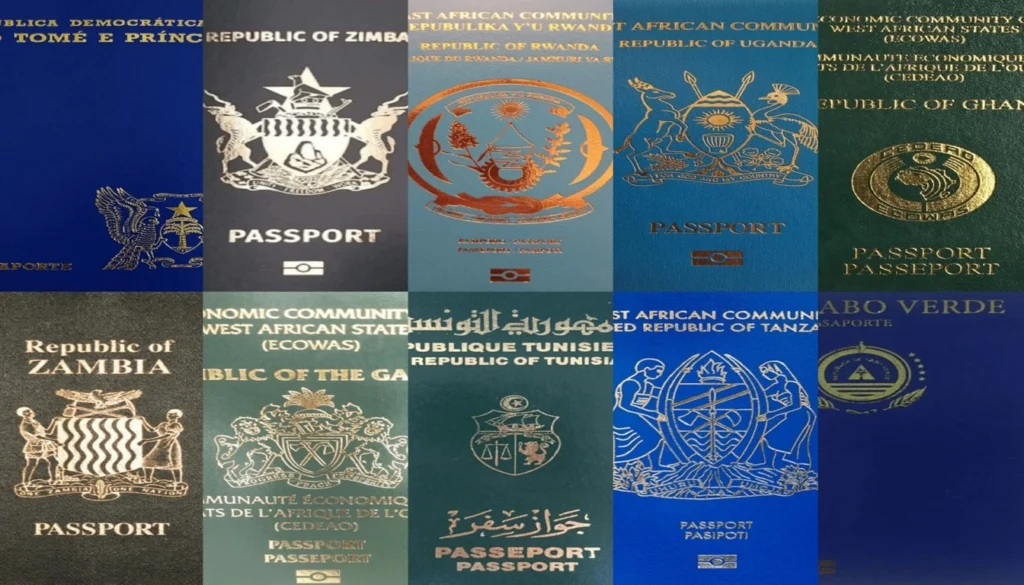
The picture is not entirely gloomy. Some countries are quietly rewriting their African travel policies. Rwanda, Benin, The Gambia and Seychelles have opened up to African visitors, and Ghana has made it easier for Africans to arrive without visa hassles. Kenya also dropped entry requirements for most African travellers, a notable shift for East Africa’s largest economy.
The best-known success story is ECOWAS. Its citizens have been able to travel across member states without visas for up to 90 days since the late 1970s, and many West Africans use that right every day. The system is imperfect, and border officials still demand informal payments at some checkpoints, but it proves that regional integration can work on African soil.
Why Trade and Travel Cannot Be Separated
The African Continental Free Trade Area, or AfCFTA, is one of the biggest economic projects the continent has attempted. It aims to create a single market of well over a billion people. But goods cannot sell themselves. Buyers, sellers, engineers, accountants and consultants must be able to cross borders to close deals, set up branches and train staff.
A free trade area without free movement is like a highway with locked gates. Small business owners, especially women who dominate cross-border trade in many regions, bear the heaviest burden. They face harassment, bribes and delays that cut deeply into their thin margins. If AfCFTA is to deliver on its promise, mobility has to move up the policy agenda.
What Needs to Change
There is no single fix, but a few steps would make a visible difference.
First, countries that have signed the free movement protocol should ratify it and write it into domestic law. Second, governments should invest in digital identity systems and share data with neighbours so that security concerns can be handled without punishing ordinary travellers. Third, regional blocs such as the East African Community, SADC and ECOWAS can serve as testing grounds, widening their free movement rules step by step before the continent follows. Fourth, airlines and governments should work to make direct flights between African cities cheaper and more frequent.
Citizens also have a role. Pressure from youth groups, traders’ associations and the diaspora has pushed some governments to act. When ordinary Africans demand reform, politicians notice.
A Dream Worth Fighting For
Africa has the youngest population in the world, and its young people are ambitious, connected and mobile in spirit. They study online with peers in other countries, build startups with partners across borders and follow the same music, football and films. Only their documents lag behind.
Free movement will not solve every problem. It will not end unemployment overnight or erase political rivalries. But it would let talent flow to where it is needed, help businesses grow beyond small domestic markets and give the idea of African unity something real to stand on.
For now, a Ghanaian can fly to London more easily than to some of her neighbours’ capitals. That gap says a great deal about how far Africa still has to go. The tools exist, and so does the demand. What the continent needs now is political will strong enough to turn a signature on a protocol into a stamp on a passport that opens the door.
Read More
Nigerian Youth Election Puzzle: Why Are Fewer Young Voters Signing Up for 2027?
Angola De Beers Deal: $180 Million for 10% of a Diamond Giant
Malawi Fuel Crisis: Queues, Black Markets and Broken Livelihoods
U-17 World Cup Africa: Morocco, Senegal and Mali Light Up Friday’s Action in Qatar
Africa Climate Finance: Europe Says Spend What Is Already Pledged
