
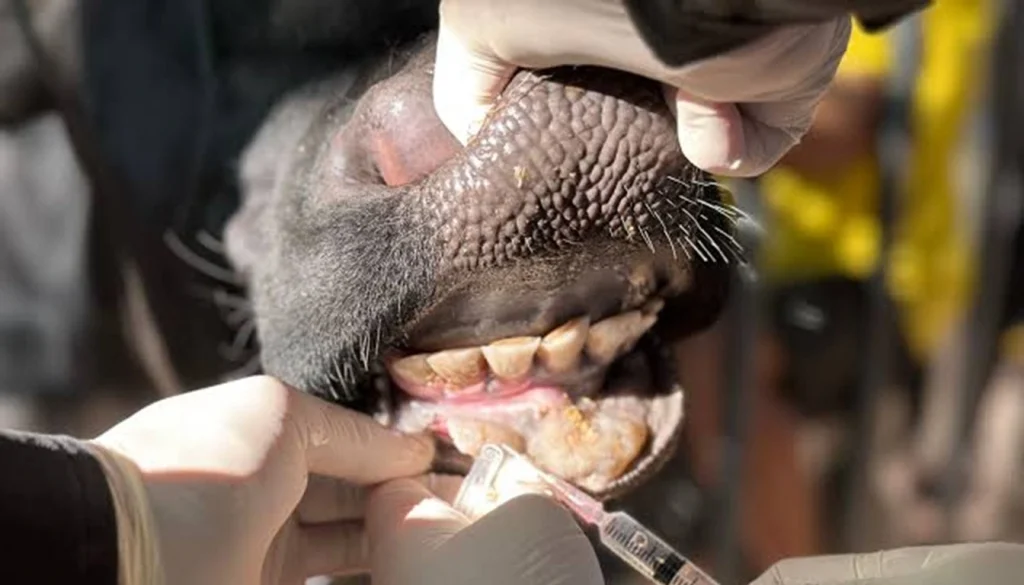
In Namibia, beef is more than food. It is culture, trade and income all at once. The Namibia cattle disease outbreak, a foot-and-mouth epidemic first confirmed on 23 September 2026, is now putting all three under strain.
From Karasburg to the Zambezi
Veterinary officials found the first case on a commercial farm in the Karasburg district of the southern Kharas Region. By 5 October, President Netumbo Nandi-Ndaitwah said surveillance teams had recorded 127 positive cases across 15 farms. Then, on 7 October, laboratory tests confirmed the virus in cattle in the Zambezi Region, far to the north. Authorities have since banned livestock movements, cancelled permits and shut auctions. Emergency vaccination has begun, and a new veterinary fence is going up along the Orange River.
Brussels closes the door, partly
On 5 October the European Union suspended several fresh meat products from Namibia’s authorised export zone, including biltong and jerky. The ban is not total. Some treated products can still enter, and certified fresh consignments dated before 23 September get a 90-day window. Still, the Namibia meat exports sector feels the blow. The Meat Corporation of Namibia, or Meatco, has put about 400 production workers on paid special leave, according to The Namibian.
“The restrictions are painful, but they are necessary,” said Marianne Pretorius of the Namibia Agricultural Union. She warned that prices may stay under pressure even after local trade resumes.
Pain at the grill
The effects reach well beyond the farm gate. At Windhoek’s Single Quarter market, kapana vendors told Al Jazeera that stalls sat empty, meat costs more and customers are scarce. One shop manager in Okuryangava described panic-buying that reminded him of the early COVID-19 days. For vendors who live from one month-end to the next, a few closed days hurt badly.
Farmers feel it too. Gert Engelbrecht of Aranos said livestock is “a livelihood” and not simply a business, and that being able to move and sell animals keeps a farm alive. He also made clear that farmers want to help. They are working with veterinary teams to bring the disease under control and win back their disease-free status.
What comes next
Meatco’s workers are due for review on 23 October. Whether the disease spread directly from the south to the north remains unconfirmed, and the effect on other export markets is unclear. What is plain is that livestock health and Namibia agriculture are tightly linked to household incomes. Containment, fair support for farmers and a quick return to export markets will decide how long this lasts.
Read More
Deadly cattle raids resurge in Uganda’s Karamoja region
African Cinema on the Global Stage: 10 Best African Films, Ranked!
South Africa FMD Outbreak 2026: Nationwide Spread, Vaccine Rollout Intensifies Amid Economic Losses
How Animal Trade and Wildlife Contact Fueled Past Nipah Virus Outbreaks
