
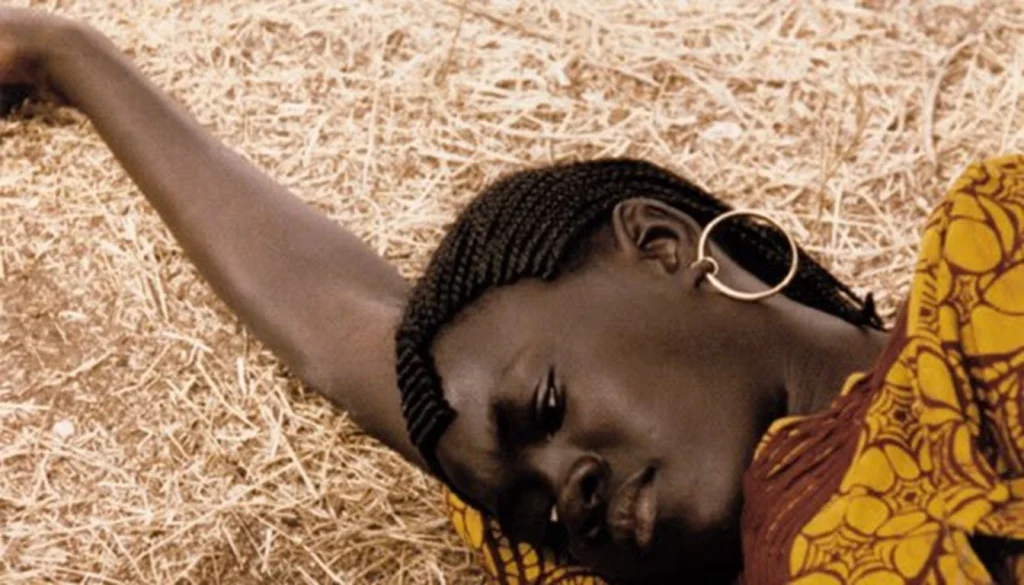
For decades, the story of African film was told mostly by men. That is changing fast, and African women filmmakers are leading the shift with stories that feel personal, daring and impossible to ignore. From Dakar to Nairobi to Lagos, female African filmmakers are picking up cameras, raising money against the odds and putting their own communities on screen the way they actually live.
The Pioneers Who Opened the Door
None of this started yesterday. Safi Faye of Senegal made Kaddu Beykat in 1975, and she is widely recognised as the first woman from sub-Saharan Africa to have a feature film distributed commercially. She was a trained ethnologist, and her camera treated village life with a patience and respect that outside filmmakers rarely showed. Sarah Maldoror, born in France to Guadeloupean parents and deeply tied to the African liberation struggle, made Sambizanga in 1972 about the Angolan fight against Portuguese rule.
These women worked with almost no funding and little support from the industry around them. Yet they proved something important for women in African film: you do not need permission to tell your own story. Every director working today stands on the ground they cleared.
Nollywood’s Women Take Charge
Nigeria produces films at a staggering pace, and women are no longer just in front of the lens. Kemi Adetiba changed the conversation with The Wedding Party, a glossy, funny, crowded comedy that became a box office giant. She later moved into crime drama with King of Boys, a film that proved a woman could handle power, violence and politics on screen as confidently as any man.
Genevieve Nnaji, already a household name as an actress, directed Lionheart in 2018, which became the first Nigerian original film picked up by Netflix. The film was later disqualified from the Oscars race because much of its dialogue was in English, a decision that sparked a loud debate across the continent about language and identity. Jade Osiberu followed with Gangs of Lagos, a rough, fast-paced thriller made for Amazon Prime Video that showed Lagos streets with real grit.
What stands out is range. Female directors in Africa are not boxed into romance or family drama. They are making action, crime, comedy and horror, and audiences are showing up.
Telling the Stories Nobody Else Would
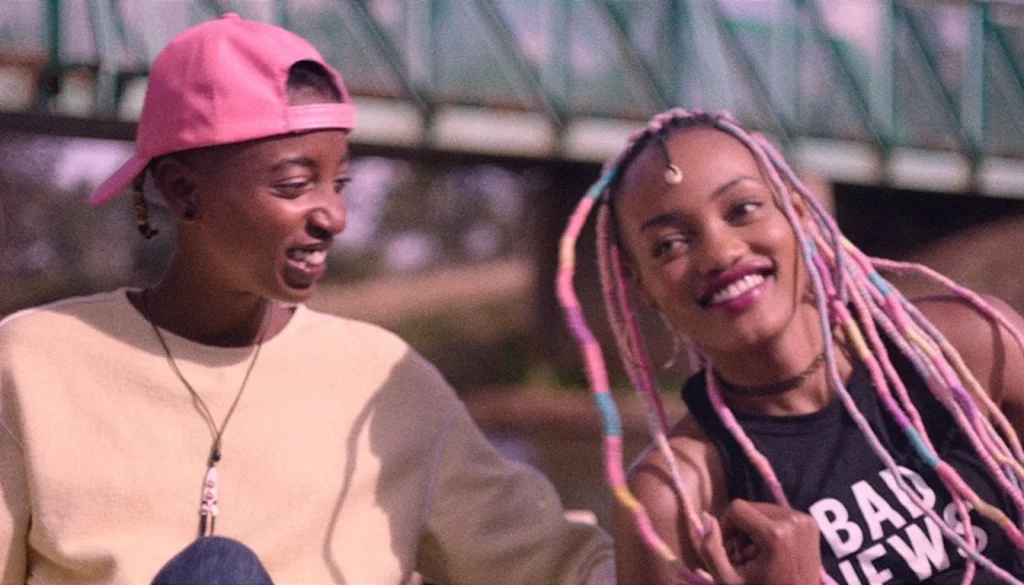
Some of the boldest work has come from filmmakers willing to take a risk. Kenya’s Wanuri Kahiu made Rafiki, a gentle love story between two young women in Nairobi. Kenyan authorities banned it, but it still screened at Cannes in 2018, and a court later allowed a short window of local screenings so it could qualify for the Oscars. Kahiu also champions what she calls “Afrobubblegum,” a joyful, colourful style of African storytelling that refuses to treat our lives as only a tale of suffering.
Rungano Nyoni, raised in Zambia and Wales, burst out with I Am Not a Witch, a strange and sharp satire about a young girl accused of witchcraft in a village. It won a BAFTA for outstanding debut. Her later film, On Becoming a Guinea Fowl, looked at family secrets and silence around abuse, and it earned her a directing prize at Cannes in the Un Certain Regard section in 2024.
Then there is Mati Diop, the French-Senegalese director whose Atlantics won the Grand Prix at Cannes in 2019, making her the first Black woman to have a film in the main competition there. Her ghostly story about young men lost at sea and the women left waiting on the shore felt like Dakar and the world at once.
North Africa Joins the Conversation
The movement is not limited to the south of the Sahara. Tunisia’s Kaouther Ben Hania has built a strong international reputation with sharp, inventive films. The Man Who Sold His Skin earned an Oscar nomination for Best International Feature, and her later work on the killing of a young girl in Gaza drew major attention at the Venice Film Festival. Her films prove that women filmmakers redefining cinema can be formally daring and politically urgent at the same time.
Why the Fight Is Still Hard
Success stories are real, but they should not hide the struggle. Funding remains the biggest wall. Many directors still rely on foreign co-producers, European film funds and festival grants, which can quietly shape what stories get made. Distribution is another headache. A film can win praise abroad and still never reach cinemas at home, because the number of screens in many African countries is painfully small.
Then there is the question of safety and acceptance. Women who direct often face doubt on set, lower budgets than male colleagues, and the extra burden of being asked to speak for all women, everywhere. Directors who tackle topics like sexuality, abuse or religion can face censorship or public anger.
Still, the African film industry is slowly building better support. Initiatives like the Durban FilmMart, mentorship programmes, women-focused film labs and regional festivals are creating real pathways. Streaming platforms have also opened new doors, giving films a way to reach viewers from Johannesburg to Accra to London without waiting for a cinema deal.
A New Generation Is Already Rising
Walk into any film school or film festival on the continent today and you will meet young women with short films, scripts and big plans. Many are writing, directing and producing at once, sometimes shooting on phones to get their first project made. They have watched Kahiu, Adetiba, Nyoni and Diop succeed, and they no longer see the director’s chair as someone else’s seat.
This matters beyond the screen. When African girls see women running sets and winning awards, they learn that these careers are open to them. And when audiences see authentic women characters written by women who know them, African cinema becomes richer, more honest and more surprising.
The Future Looks Female
The big shift is not only that more women are directing. It is that they are changing what African stories look like. Their films make room for quiet family drama, queer love, supernatural myth, political thrillers and plain everyday joy. They show Africa as complicated, funny, frightening, beautiful and alive.
The cameras are rolling, and the women behind them are not waiting for anyone’s approval. If the last decade is any sign, the next one will bring even more bold voices, bigger budgets and louder applause. The question is no longer whether women will shape the future of African cinema. They already are.
Read More
New African Movies Showing at International Film Festivals This Month
Top African Movies and Shows Making Debut in July 2026 That You Aren’t Ready For!
The Most Anticipated African Movies Still Coming in 2026
