
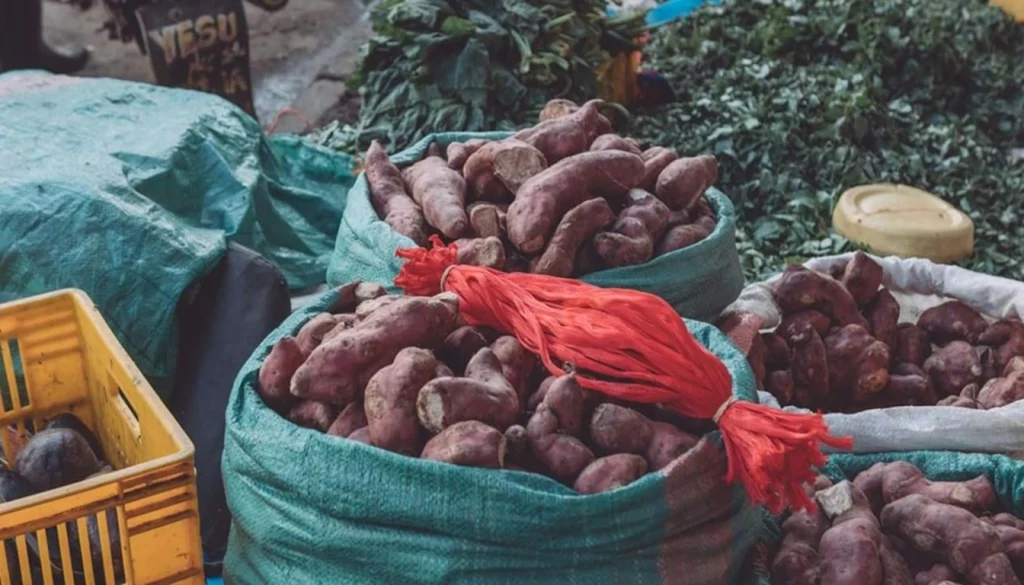
Many families across Africa already count every coin at the market, and the next round of price pressure is not far off. Global food inflation is expected to intensify as supply shocks pile up, and forecasters say the squeeze could last well into 2027.
The numbers behind the warning
JPMorgan economists expect the global food inflation rate to climb from 2.8 percent in the first half of 2026 to about 5 percent in the first half of 2027. That would add roughly 0.6 percentage points to overall inflation. Goldman Sachs, HSBC and Bank of America have raised similar alarms.
The causes are stacking up. Conflict in the Middle East has threatened shipping through the Strait of Hormuz, a key route for energy and fertiliser. When fertiliser costs rise, farmers pay more to grow crops, and shoppers pay more for the harvest. Analysts also point to a strengthening El Niño, which can bring drought and flooding, along with water shortages, poor storage and food waste.
Why Africa is exposed
Africa imports a large share of its wheat, rice and cooking oil. When global food prices rise, importing nations feel it quickly, and their weaker currencies make each shipment cost more.
Fuel makes it worse. Food travels on trucks, boats and motorbikes, so when diesel climbs, so does the price of tomatoes, maize flour and bread. Ordinary households then face a harsher cost of living while wages stand still.
Smallholder farmers carry their own risk. Expensive fertiliser pushes many to use less of it, which means smaller harvests and thinner profits. A drought year can wipe out what little savings they have.
What can be done
Experts note that a higher risk is not the same as an inevitable crisis. Countries that have been through repeated shocks are investing in storage, irrigation and local production. For Africa, that could mean building grain reserves, supporting regional trade so food can cross borders more easily, and getting fertiliser to farmers on time.
Supply chain disruptions will not disappear soon. The countries that prepare now, before prices peak, will protect their food security far better than those waiting for relief that may not come.
Read More
Nigeria Inflation Rate Eases Slightly, but the Cost of Living Still Bites
Ghana Gets Its Last IMF Disbursement: What $371 Million Means to the Economy and Inflation
South Africa’s Inflation Holds Steady as Central Bank Decision Looms
Kenya: Inflation down to 4.3% in July
Top 10 African Countries With The Highest Inflation Rates In 2025
