
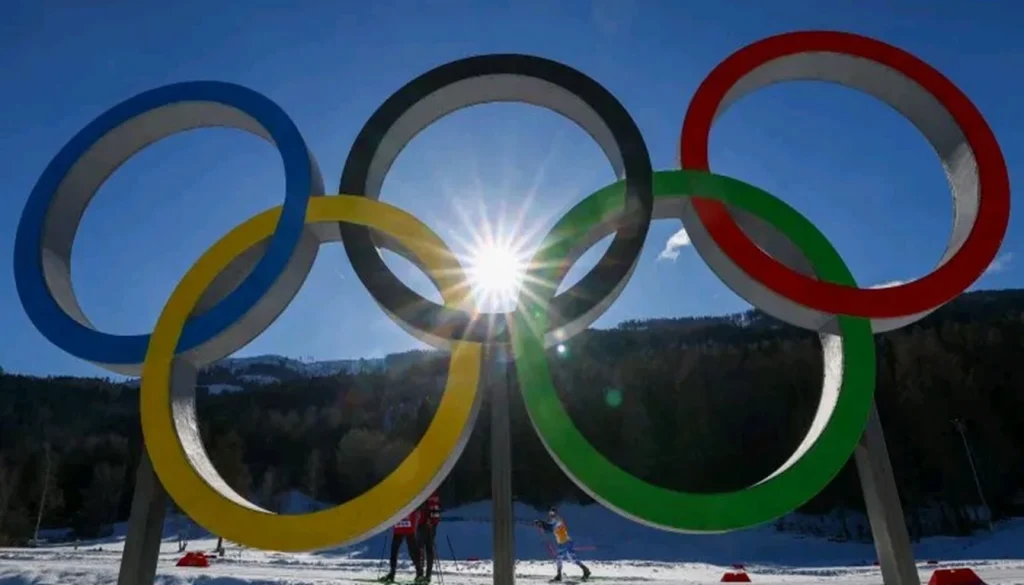
In less than two weeks, the Olympic movement will do something it has never done before: stage an event on African soil. The Dakar 2026 Youth Olympic Games open on 31 October and run until 13 November, bringing roughly 2,700 young athletes to Senegal. For a continent with one of the youngest populations on earth, the timing feels almost too perfect. But the real question is not whether Dakar can throw a good party. It is whether that party can change anything for the millions of African teenagers who have never set foot on a proper pitch or track.
A First Worth Celebrating
Dakar was supposed to host in 2022, but the COVID-19 pandemic pushed the Games back to 2026. Senegal used the extra years to build and refurbish venues. In early September, President Bassirou Diomaye Faye formally handed over the Olympic Village and the Equestrian Centre in Diamniadio. Competition is split across three zones: Dakar, Diamniadio, and the beach resort of Saly, which will host the coastal events.
Thomas Bach, then president of the International Olympic Committee, called it an event “for Africa, with Africa.” That framing matters. For decades, African athletes travelled to Olympic stages built elsewhere. This time the stage is home. Organisers have also leaned into youth culture, naming Italian-Senegalese TikTok star Khaby Lame as an ambassador to reach young people where they actually spend their time.
More Than the Usual Sports Menu
Dakar will award medals in 153 events across 25 sports. The familiar names are all there: athletics, swimming, judo, boxing, taekwondo, rugby sevens and 3×3 basketball. So are newer additions like breaking and coastal rowing beach sprints.
The more interesting part is the local flavour. Beach wrestling, beach handball, futsal and baseball5 join the programme, and organisers have added 10 engagement sports so local fans can try disciplines they may never have seen. Beach wrestling fits Senegal especially well, given how deeply wrestling runs through the country’s culture. This is an Olympic event that has bent itself toward its host, rather than the other way around.
Very soon, the Youth Olympic Flame will be lit in Athens for the Youth Olympic Games Dakar 2026, the world stage for the next generation of athletes. 🇸🇳 Follow live here, from the historic Panathenaic Stadium. ➡️ https://t.co/RtJRVD5fVz #Dakar2026 https://t.co/O5rnzTLR8i
— The Olympic Games™ (@Olympics) September 10, 2026
Who Will Actually Be Competing
The athletes are 17 or younger, and many will be competing internationally for the first time. Dakar is also set to be the first Youth Olympic Games with full gender equality among its athletes. That is a meaningful signal in a region where girls still face the steepest barriers to organised sport, from family expectations to the lack of safe training spaces.
There is another first. A Youth Refugee Olympic Team will take part, with a focus on athletes based in Africa. A continent that hosts millions of displaced young people will see some of them wear Olympic colours at home.
Smaller nations are preparing too. Sierra Leone, for example, has been training athletes for more than five disciplines. For youth athletes in Africa, simply qualifying and travelling is already an achievement. Standing next to the world’s best teenagers, and finding out they can compete, can reset what a young athlete believes is possible.
Can the Games Build Real Sports Development in Africa?
Here is where honesty is needed. A two-week event does not fix a sports system. In much of the continent, school sport is thin, qualified coaches are scarce, and public facilities are either missing or falling apart. A talented teenager in a small town may never meet a coach who can take them further.
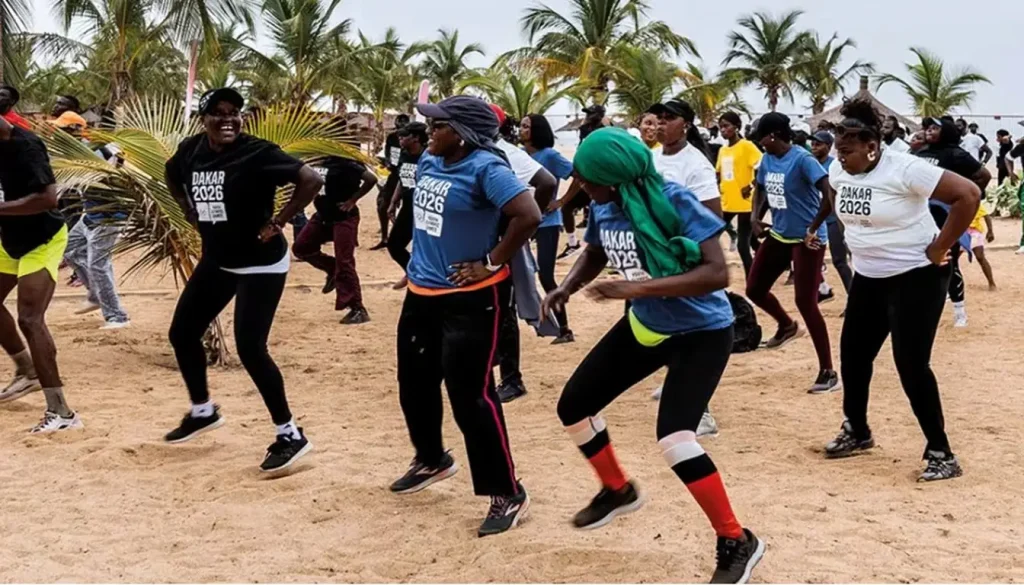
Senegal has at least tried to spread the momentum beyond the capital. The Dakar en Jeux festival has run every year since 2022, giving young people a taste of the Games well before the opening ceremony. The Youth Olympic flame, lit in Athens in September, has been travelling through all 14 of Senegal’s regions. Those are the right instincts. Sports development in Africa depends on reaching beyond the big cities, and a torch relay through every region at least puts the conversation in front of ordinary communities.
Analysts have been optimistic. Senegal-based sports analyst Rufai Shuaib told Forbes Africa the Games should help develop sports infrastructure and open up opportunities across the region. That is the hope, but it only happens if the follow-through is deliberate.
The Olympic Legacy Question
Every host city promises an Olympic legacy. Too many leave behind empty stadiums and long bills. Dakar has an opportunity to do better, and some of the building blocks are promising. The 50,000-seat Stade Abdoulaye Wade in Diamniadio will be the headline venue, and the Olympic Village sits on a university campus, which gives it a natural second life once the athletes go home.
But buildings are the easy part. A real legacy means funding for local clubs, training for coaches, school sports programmes and clear pathways from neighbourhood talent to national teams. It means making sure the venues are open to ordinary young people on a Tuesday afternoon in March 2027, not just booked for the occasional international fixture. If Senegal gets that right, Dakar could become a template for other African cities. If it does not, the lesson will be a familiar and expensive one.
The Challenges Nobody Should Ignore
Nigerian analyst Kolawole Oyebola has pointed out that the economic upside, from tourism to hotels, restaurants and transport, depends on strong planning and adequate infrastructure. Large events expose weak links quickly: traffic, accommodation, security, ticketing, even internet connections. Several venues needed upgrades along the way, and the pressure to finish on time has been real.
Organisers seem aware of this. Their own pitch has been refreshingly modest: “We do not promise perfect Games; we promise authentic Games.” That honesty is a good sign. African audiences have seen enough overpromising. What they want is a well-run event that feels like their own.
The Final Word
So, can Dakar 2026 transform youth sports in Africa? Not on its own. Medals will be won, flags will be waved, and a generation of young Africans will watch peers from their own continent perform on a global stage. That alone has value.
But transformation happens in the months and years after the closing ceremony. It happens when a girl in a regional town finds a coach, when a school gets a working track, when a local club inherits equipment and a venue. Dakar has given Africa a spotlight. What the continent builds under it is the real test.
Read More
Shelly-Ann Fraser-Pryce Announces Retirement After 2024 Paris Olympics
Best Events to Attend at Milano-Cortina 2026 Olympics: Top Winter Highlights Fans Shouldn’t Miss
Five African stars who will impress at the Paris Olympics
African Migrants Evicted from Makeshift Camp Ahead of Paris 2024 Olympics
WOMEN’S OLYMPICS: South Africa Dominates Tanzania, Moves Closer to Qualification
