
A quiet vote in Benghazi has stirred up the Mediterranean. Greece rejects Libyan approval of the Turkey-Libya maritime deal, saying the 2019 memorandum has no legal effect after Libya’s eastern parliament endorsed it on Tuesday. The House of Representatives, which is aligned with commander Khalifa Haftar, voted unanimously, reversing years of opposition to the accord.
Why Athens Says No
Greece’s foreign ministry called the memorandum illegal and void. Its argument is geographical: Turkey and Libya share neither opposite nor adjacent coasts, and the Greek island of Crete sits in the middle. Athens says the deal ignores the rights of Greek islands under the law of the sea. It has told its partners and promised “all appropriate action” to protect its sovereign rights.
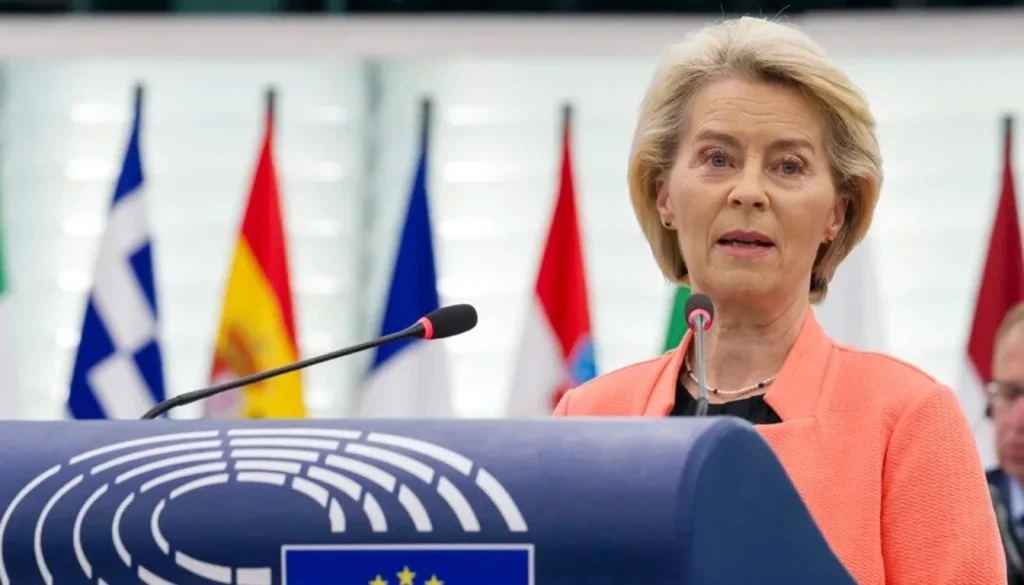
The European Union backed Athens. Ursula von der Leyen said she “deeply regrets” the ratification, and the EU stands with Greece and Cyprus.
A Headache for Cairo
Africans should watch Egypt closely. Cairo has long backed Haftar and the eastern parliament, yet it opposed the Turkish deal and signed its own maritime agreement with Athens in 2020. Now Egypt’s closest allies inside Libya have endorsed the accord Cairo rejected. Egypt’s foreign minister, Badr Abdelatty, spoke to his Greek counterpart the same day, though he did not mention the vote.
In Tripoli, Prime Minister Abdul Hamid Dbeibah’s government called the vote a positive step. He also met Turkey’s intelligence chief, Ibrahim Kalin.
What Is Really at Stake
Behind the legal language sit gas fields. The waters south of Crete may hold large reserves, and Libya’s share of them could matter to a country that badly needs revenue. For ordinary Libyans, long divided between east and west, the more urgent question is whether this vote brings the two camps closer, or simply makes Libya a pawn in a larger contest between Ankara, Athens and Cairo.
The coming weeks will show whether this stays a war of statements or becomes something harder.
Read More
Why is Turkey sending forces to Libya? The answer is gas
Libya’s Eastern Parliament Gets a New Speaker After 12 Years of Saleh
How the New UN-Backed Deal Will Affect Libya’s Political Deadlock
