
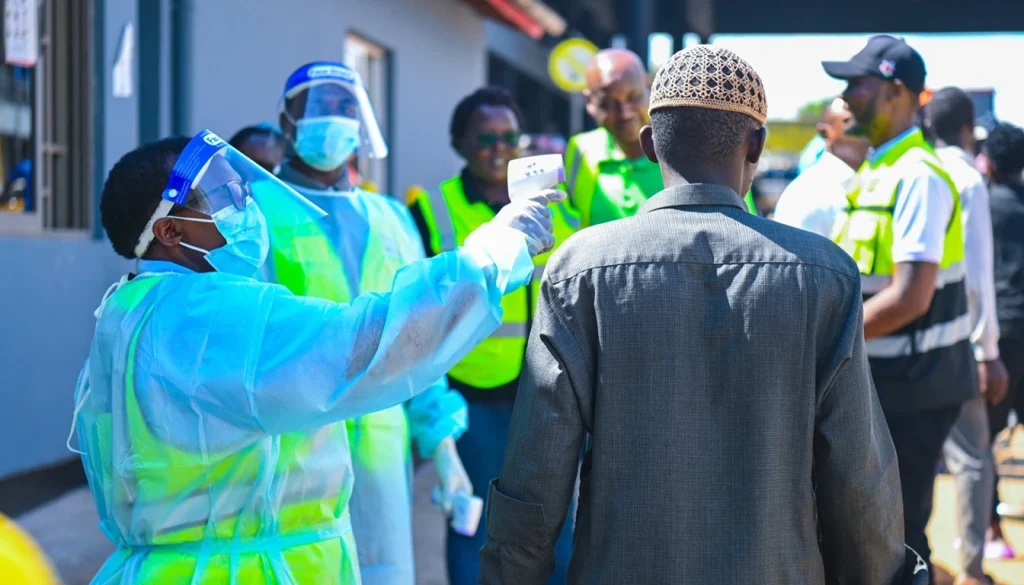
Hearing the word Ebola on the evening news is enough to make anyone second-guess a planned trip. Ebola travel safety begins with a calming fact: for the average traveller, the chance of catching the virus is very low, as long as you understand how it spreads and adjust a few habits. Whether you are heading to a wedding in Kampala, a business meeting in Kinshasa or home for a family visit, a little preparation goes a long way. This guide covers practical steps based on advice from health authorities.
Know What You Are Really Facing
Ebola does not float through the air like flu or tuberculosis. The World Health Organization (WHO) explains that infection requires direct contact with the blood or body fluids of a sick person, of someone who has died from the disease, or of an infected animal. That is why sitting on a plane or a crowded bus is low risk. People who are seriously ill usually feel too unwell to travel anyway.
One more detail matters. A person only becomes contagious once symptoms begin, and that can take anywhere from two to 21 days after exposure. Someone who looks healthy beside you is not passing the virus on.
Ebola Prevention for Travellers: Habits That Protect You
Most of your protection comes from routines you already know.
- Wash your hands with soap and clean water, especially after markets, transport hubs and toilets. Carry alcohol-based sanitiser for when water is scarce.
- Keep your distance from anyone who looks seriously ill, and never touch their body fluids.
- Avoid bushmeat and any contact with bats, monkeys or dead animals found in the wild.
- Stay away from funerals and burial rites where the body is handled. WHO notes that most infections in past outbreaks happened when relatives nursed the sick or prepared bodies without proper protection.
- Avoid health facilities unless you need care, because clinics are another place where the virus spreads when infection control is weak.
Ebola Symptoms: Know the Warning Signs
Early signs can look a lot like malaria or typhoid, so don’t brush them off. Watch for fever (38°C or higher), weakness, muscle pain, headache and sore throat. Later come vomiting, diarrhoea, stomach pain, rash, red eyes and, in some cases, unexplained bleeding or bruising.
If you have been in an affected area and feel unwell, seek medical help at the first sign. Don’t wait it out. Early treatment improves the chances of recovery.
Ebola Travel Precautions Before You Leave Home
Good Ebola travel precautions start before you pack. Check your government’s advisories and the entry rules of every country on your route, including stopovers, because requirements change quickly.
They can be strict. The US Centers for Disease Control and Prevention (CDC) says anyone who has been in the Democratic Republic of the Congo within 21 days cannot board a commercial flight to the United States, even if they only passed through on a connection. Travellers who have been in Uganda or South Sudan are routed through designated airports in Washington, Atlanta or New York for health screening. Other countries may have their own rules, so confirm with your airline or embassy.
Sort out the basics too:
- Travel insurance that covers medical evacuation.
- Your embassy or high commission’s contact details.
- The address of a reliable hospital at your destination.
Choose flexible bookings where you can. A flight you can change is worth more than a cheap one you cannot.
Ebola Outbreak Safety on the Ground
Staying safe at your destination means staying informed. Follow the local health ministry and WHO rather than WhatsApp forwards, which spread more rumours than facts. Expect temperature checks at airports, border posts and sometimes hotels, and cooperate with them. They protect everyone.
Affected countries are asked to screen people leaving by air, sea and major land crossings. Anyone with an illness that could be Ebola should not travel, except for a proper medical evacuation. If you feel unwell, tell your host or hotel, and call the health hotline before walking into a clinic so staff can prepare.
Coming Home: The 21-Day Rule
Your care does not end at the airport. The CDC advises monitoring your health for 21 days after leaving an affected country. If you were in DRC, take your temperature every day. If you were in Uganda or South Sudan, check it whenever you feel sick.
If symptoms appear, separate yourself from other people, ideally in a room of your own with a separate bathroom. Then call your local health department or health officials, and tell them where you have been. Phone ahead before visiting any clinic, and never travel while sick. Avoid unnecessary trips during the monitoring period.
What WHO Travel Guidance Says About Travel Bans
Fear often pushes governments towards closing borders, but WHO travel guidance points the other way. The organisation does not recommend bans on international travel or trade, and it warns against measures that disrupt movement without real public health benefit. Exit screening in affected countries and strong detection systems elsewhere do the heavy lifting.
WHO also says the risk of a traveller catching Ebola and falling ill after returning home is very low, even after visiting areas where cases have been reported.
Travel Smart, Not Scared
Ebola is serious, but panic is not a travel plan. Sensible habits are. Wash your hands, avoid contact with the sick and with funeral rites, learn the symptoms, follow entry rules and watch your health for 21 days. Good travel health advice is not complicated, and it works best when we pass it on to friends and family heading out on the road. Check official sources before you go, stay calm and travel with care.
Read More
Nigeria Records First Ebola Case of Africa’s Latest Outbreak, and Abuja Races to Trace 44 Contacts
Kenya Ebola Outbreak Grows: Eighth Case Confirmed as Fear Spreads Across the Region
Kenya Second Ebola Case: Quarantine Caught It, but Questions Remain
Ebola Outbreak in Eastern DRC and Kenya: What the First Imported Case Means for East Africa
Ebola Reaches Kenya: What Nairobi’s First Death Means for East Africa
