
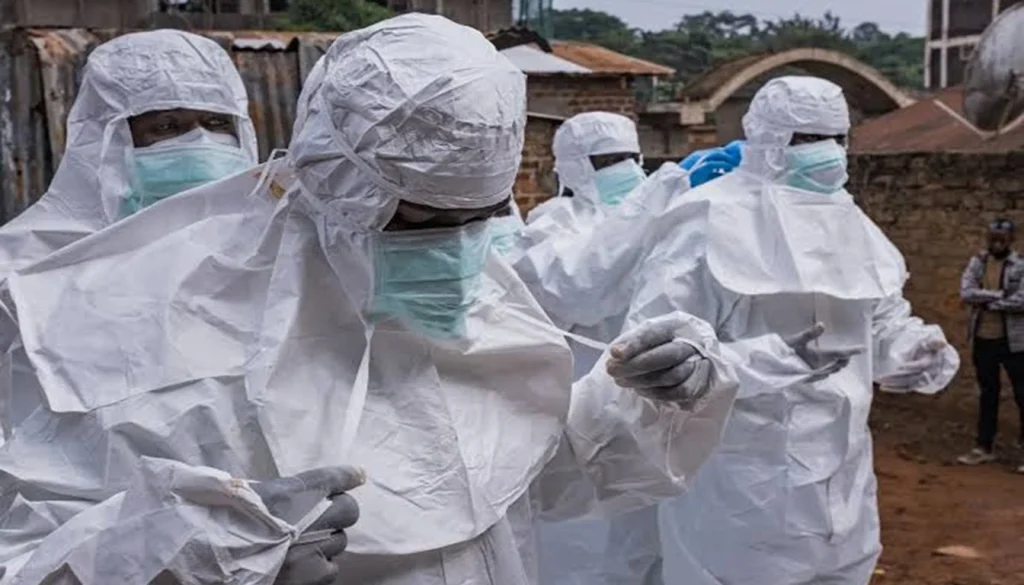
Kenya has spent the past ten days on high alert, and on Wednesday the country’s fears were partly confirmed. The Kenya second Ebola case was announced by the Ministry of Health: a 39-year-old man, a close relative of the first victim, who tested positive while already in quarantine. The ministry says the two cases are linked and that there is no evidence of spread in the wider community.
How it unfolded
The first patient was a 40-year-old Kenyan man who travelled from the Democratic Republic of Congo through Uganda to Nairobi without his illness being detected. A relative collected him from the airport and took him to hospital. He tested positive shortly after admission and died on 5 October. The outbreak involves the Bundibugyo strain.
The second patient developed symptoms on Tuesday, 13 October, while under observation. Officials say early detection improves his chances of recovery and limits the risk to others. He is now at a designated treatment centre.
Contact tracing under the spotlight
Health officials identified 128 contacts of the first patient. By Tuesday, 113 had been located and 108 were in quarantine in Kenya. Tracing was continuing for the remaining 15. Five contacts are outside Kenya, and authorities in those countries have been notified. Screening at airports and border crossings has been tightened, and the public is being urged to report suspected infections through an emergency hotline.
Why this matters for East Africa
Kenya has become the fourth country to report a case linked to this outbreak, after Congo, Uganda and France. Congo has reported more than 4,000 deaths, making it the second deadliest Ebola outbreak on record. For a region where traders, students and families cross borders daily, the Ebola outbreak in Kenya is a test of public health readiness.
The second case shows tracing can work. Yet one question remains open: how did a sick man cross three countries and reach a Nairobi hospital undetected? Answering that matters as much as isolating contacts. For now, the advice is to stay calm and alert, wash hands often, and report fever or unexplained bleeding quickly.
Read More
Ebola Outbreak in Eastern DRC and Kenya: What the First Imported Case Means for East Africa
Kenya’s First Ebola Case: Ten in Quarantine, 57 Contacts Traced, and Hard Questions at the Border
Ebola Reaches Kenya: What Nairobi’s First Death Means for East Africa
Africa CDC keeps Kenya on Ebola high-risk list as DRC outbreak nears 8,000 cases
UAE Commits $10 Million to Fight Ebola as Uganda Travel Restrictions Lax
