
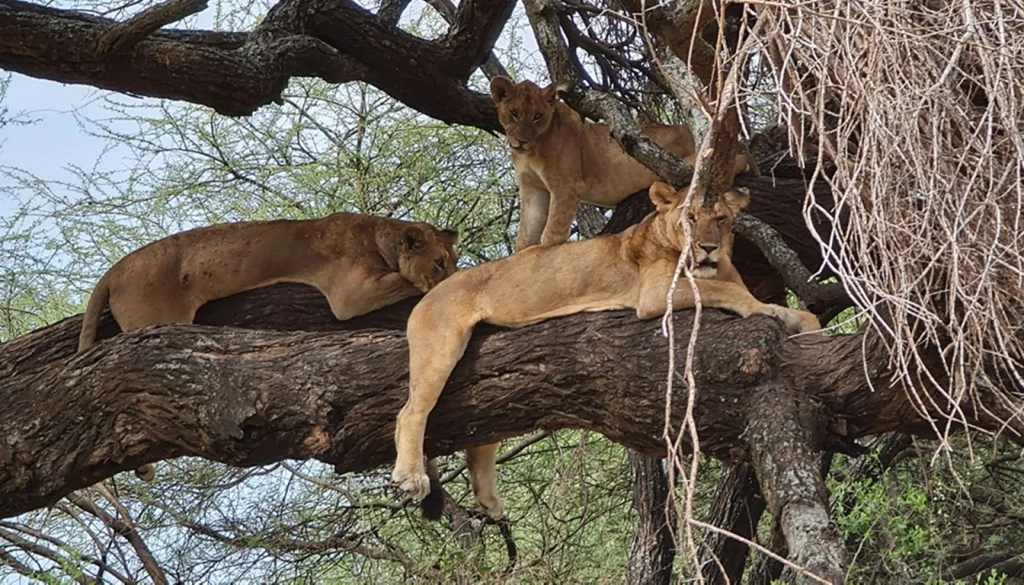
Kenya has just made one of the boldest conservation moves on the continent. The Kenya conservation finance deal, signed between the government and a group of donors, commits $160 million to protect 17.3 million hectares of some of the least disturbed natural environments on Earth. Called Thamani Asili, Kiswahili for “value of nature,” it was announced by President William Ruto in Taita-Taveta county.
How the money works
Half the funding, $80 million, comes from dozens of donors, including heirs of the Walton and Cargill families. The Kenyan government is matching it over the next 10 years. This Kenya conservation funding relies on a model called Project Finance for Permanence, which ties money to key government policy changes. In other words, the cash flows only if promised reforms happen. Tourism and Wildlife Cabinet Secretary Rebecca Miano says it moves conservation away from short-term funding cycles toward predictable investment and measurable results.
Wildlife protection Kenya can feel
The programme covers 31 counties and aims to create about 2.7 million hectares of new conserved areas, improve management of 11 million hectares of existing ones and empower communities to manage another six million. It targets hotspots from the Great Rift Valley to the Maasai Mara. Tsavo, home to Kenya’s largest national parks, holds about 40% of the country’s elephants and 20% of its critically endangered black rhinos. This wildlife protection Kenya push also helps the country move toward the global goal of protecting 30% of land and sea by 2030. The Nature Conservancy estimates Kenya is currently at around 20–23%.
Nature is also the economy
This is not only about lions and elephants. A recent UN Environment Programme report cited government estimates that around 42% of Kenya’s GDP and 70% of employment depend on nature in some form. Safari tourism, farming and pastoralism all draw from the same landscapes. Miano said the plan would also help farmers and communities who share land with wildlife, and the initiative is expected to avoid roughly 7.5 million tonnes of carbon emissions by 2035.
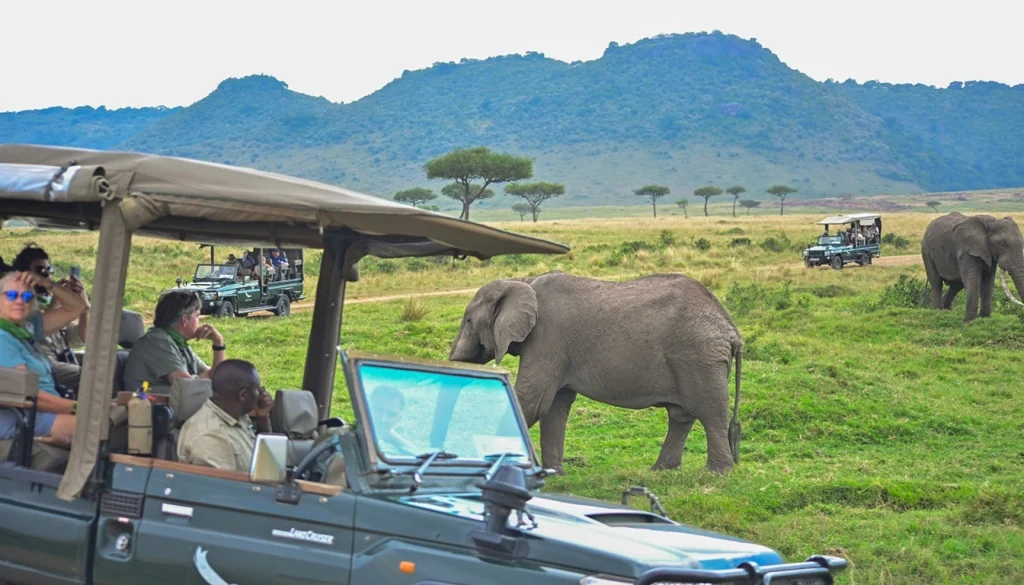
A model for the continent?
Conservation finance is now a growing part of environmental investment in Africa, and other countries will study how Kenya’s version performs. The real test will be delivery: whether communities see benefits, whether policy commitments hold and whether the money reaches the ground. If it does, Kenya may have shown that protecting nature can be a sound investment rather than a charitable cost.
Read More
Guilty as Charged: Kenya Cult Deaths Verdict Closes a Dark Chapter at Shakahola
Kenya Cult Deaths: Court Set to Rule on Preacher Paul Mackenzie’s Murder Trial
Kenya Ebola Outbreak Grows: Eighth Case Confirmed as Fear Spreads Across the Region
Kenya Second Ebola Case: Quarantine Caught It, but Questions Remain
Kenya’s First Ebola Case: Ten in Quarantine, 57 Contacts Traced, and Hard Questions at the Border
