
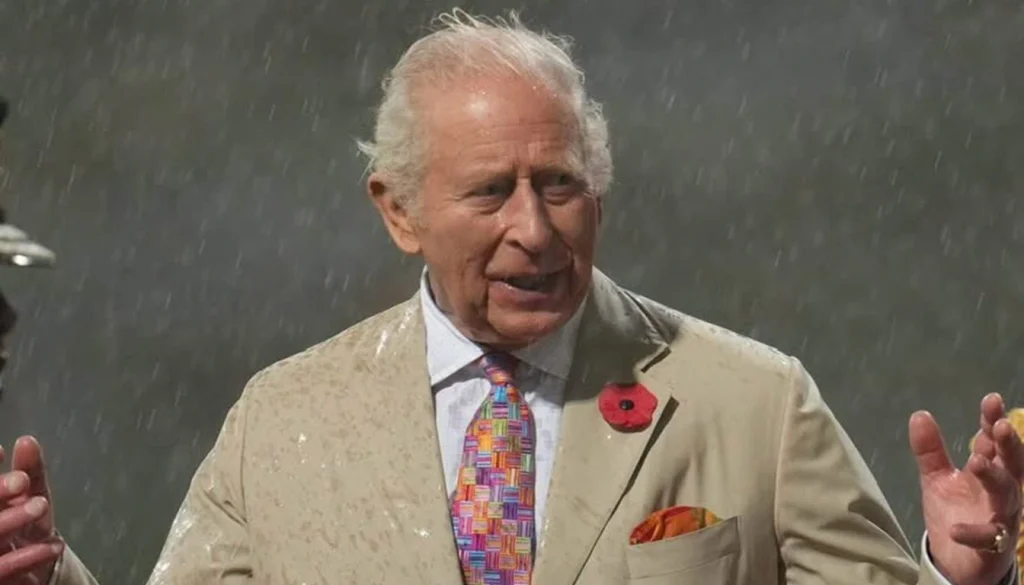
The question of a British apology for slavery is back in the spotlight. The King Charles slavery remarks, made on Tuesday at a Commonwealth summit in Antigua and Barbuda, called the transatlantic slave trade “a monstrous injustice.”
What the King said
Speaking to leaders of the 56-nation Commonwealth, Charles said slavery “still casts a shadow” over the islands and other members. He spoke of “profound personal sorrow.” He also pointed to the courage that ended the international trade in enslaved people, a role he credited partly to the Royal Navy.
He did not apologise. A palace spokesperson said it would not be appropriate for the monarch to announce a change in government policy, and Charles stays politically neutral. About 10 to 15 million Africans were taken to the Americas over four centuries, so for many readers across our continent the gap between words and action is the real issue.
The prime minister’s balancing act
UK prime minister Andy Burnham, in office since July, is holding talks at the summit about a formal apology. He wrote that he is “open” to one, but ruled out reparations, saying people today should not be held liable for historical wrongs. He met Barbados prime minister Mia Mottley on Monday, and Downing Street said Britain was offering a “structured dialogue” for affected communities.
London’s alternative is financial. It is pursuing a “debt reset” plan for the poorest Commonwealth countries, led by Gordon Brown, and will give £40 million over three years for Caribbean infrastructure. The BBC reports an apology may come during Britain’s G20 presidency next year. Opposition leader Kemi Badenoch argues against saying sorry, claiming it would strengthen demands for compensation.
Why Africa is watching
Britain has never formally apologised or agreed to pay reparations. At the last summit, in Samoa in 2024, all 56 nations backed talks on reparatory justice. Protesters in the Bahamas last week carried signs reading “Pay what you owe us.”
For African governments pushing the reparations agenda through the African Union, this week matters. A spoken apology without money would be welcomed by some and dismissed by others. Either way, the conversation can no longer be avoided.
Read More
UK Slavery Reparations Back in the Spotlight as King Charles Tours the Caribbean
European Parliament lifts immunity from Charles Puigdemont and two Catalan members
UN Denounces Malian Junta Post-Coup d’état
African Museums: Guardians of Our Past, Still Wrestling with a Colonial Inheritance
