
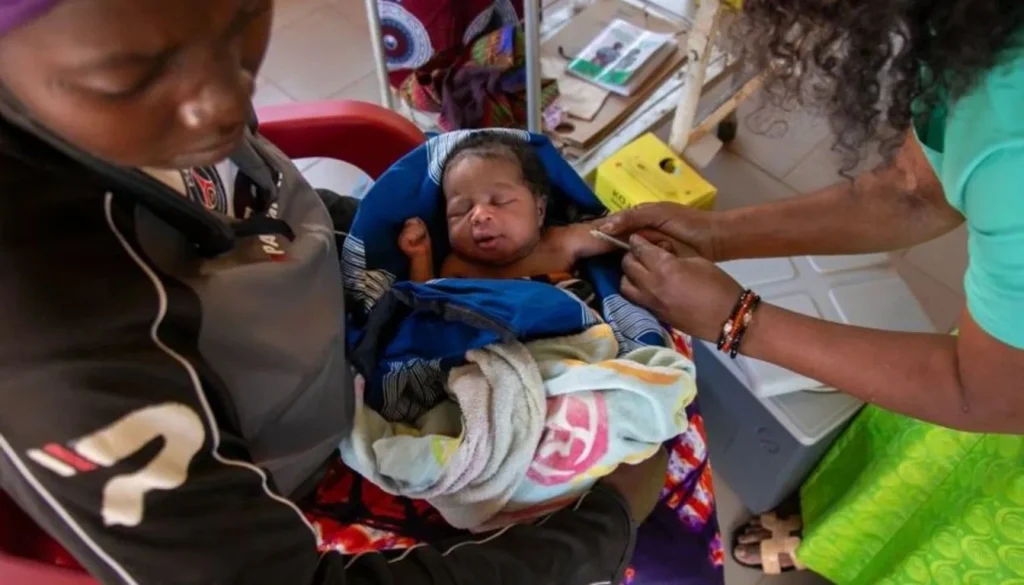
A plan to test a life-saving shot on African newborns has fallen apart before it really began. The Guinea-Bissau vaccine trial, funded by the United States, was meant to study the hepatitis B vaccine in 14,000 babies, but public anger and scientific criticism brought it to a halt.
What the Trial Planned to Do
The study was backed by a $1.6 million no-bid US contract to a Danish research team. Researchers wanted to give one group of babies the vaccine at birth, while another group would wait until six weeks of age. The stated aim was to look at “non-specific” effects of the vaccine, including skin and neurodevelopmental conditions.
Critics saw a bigger problem. Hepatitis B is a serious threat in Guinea-Bissau, where nearly 1 in 5 people live with chronic infection. Without protection, up to 90% of babies exposed to the virus at birth develop chronic hepatitis B. Holding back a proven vaccine from some newborns, they argued, puts those children at real risk. Duke University’s Gavin Yamey said it is unethical to run a randomised trial that withholds a proven, life-saving vaccine from newborns.
Ethics Questions and Pushback
Guinea-Bissau’s government first suspended the project and ordered an ethical review. The health minister said a six-member ethics committee never met before the study was approved, which many saw as a serious red flag. The World Health Organization later called the plan “unethical”, questioning both its scientific case and its safeguards.
Many Africans also asked a simple question: why here? Some critics linked the study to long-running vaccine-autism theories promoted by US health secretary Robert F Kennedy Jnr but contradicted by scientific evidence. For a continent with a painful history of outside researchers using its people, the anger was understandable.
A Messy Ending
Africa CDC’s Yap Boum said plainly that “the study has been cancelled.” Guinea-Bissau’s foreign minister later said the government had stopped the study. Yet US health officials insisted the project was still moving forward, and the researchers’ own statement used the softer word “paused.” That mixed messaging left many parents confused about what had actually been decided.
What It Means for Africa
This episode shows what African governments and health bodies can do when they speak up. Africa CDC, national officials and ordinary citizens pushed back, and the study as designed did not go ahead. The lesson for future research is clear: African communities must be partners from the start, with strong ethics oversight and a fair share of the benefit.
For now, the priority is getting every African newborn the protection they already deserve.
Read More
Ebola Vaccine Trial in DR Congo Begins: Africa’s Race for Answers
Ebola Outbreak in DR Congo Passes 5,300 Deaths: What Africans Need to Know
DR Congo Ebola Death Toll Passes 5,000 as Fear Spreads Across the Region
Ebola Declaration Requirements: Why Airlines Want the CDC to Think Again
