
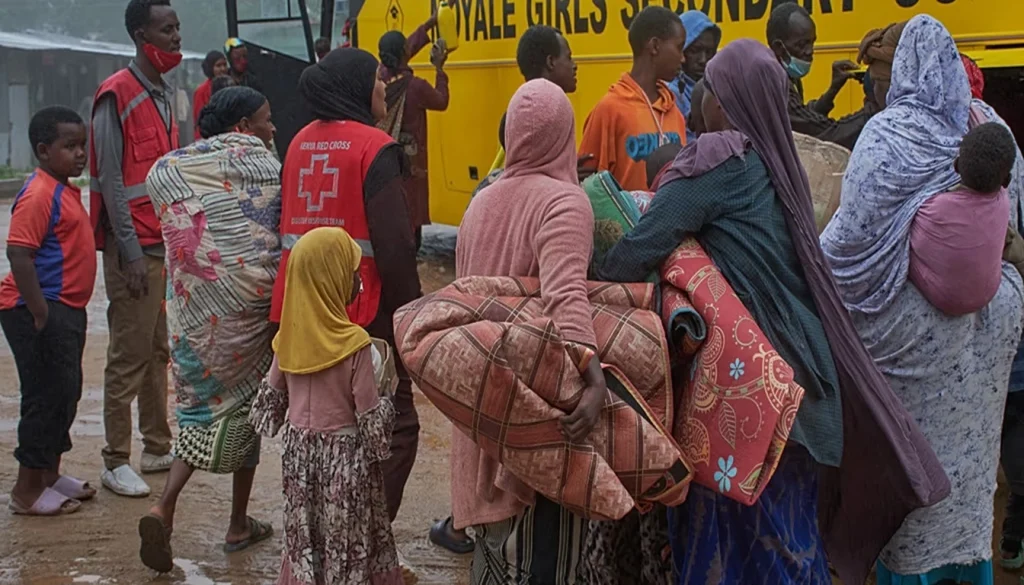
Families in southern Ethiopia grabbed what they could carry and ran. Up to 50,000 Ethiopians flee to Kenya as clashes escalate, according to local authorities cited by the UN refugee agency. The number is still changing, and aid workers say it could climb.
What Sparked the Fighting in Moyale
The unrest began on October 20 after a Somali regional flag went up in Moyale, a city run jointly by the Somali and Oromia regions. The Ethiopian Somali and Oromo communities have been fighting over control of the town, and the conflict monitor ACLED has reported several deaths, though the exact toll is hard to confirm. Moyale sits right on the Kenya-Ethiopia line, so the violence did not stay on one side. The Red Cross said stray bullets killed three people and wounded twenty in Kenya.
A Border Community Under Strain
Most arrivals have not gone to a formal camp. The IOM says most are being sheltered by local communities. That generosity comes at a cost. Two-thirds of residents in the Kenyan county live below the poverty line, and the influx is straining its resources.
Help is arriving, but not fast enough for everyone. UN agencies are appealing for Sh1.16 billion ($8.9 million), and Kenya and its partners are planning a response for up to 80,000 people. Kenyan authorities, UNHCR and the Kenya Red Cross have begun registering refugees. Amid the chaos there was one small bit of good news. The Red Cross reported that the first baby born to a refugee mother had been safely delivered at a local hospital.
What Comes Next for the Region
For many of those who crossed, the biggest question is when they can go home. One man, Beshir Dadie Tufa, arrived in Kenya without his three children and did not know where they were. Stories like his explain why the crisis feels so heavy on both sides of the border.
Religious leaders are asking for more than relief supplies. Muslim preachers in Isiolo have urged President William Ruto and Prime Minister Abiy Ahmed to work together on a solution. That call makes sense. Ethiopia’s regional borders are often the source of clashes, and Moyale shows how quickly a local dispute can become a regional emergency.
For East Africans, this is a familiar story: neighbours opening their doors first and asking for help second. The test now is whether governments and aid agencies can match that generosity before the pressure on Moyale becomes unbearable.
Read More
Greenhouse Gas Emissions: Who Is Really Warming the Planet, and Why Africa Is Paying the Bill
Egypt Train Crash: Survivors Recall Moments of Terror as Seven Die South of Cairo
Oil Prices Slip as Trump Says New Iran Attacks Are “Highly Unlikely”
ANC Coalition Talks Begin After the Party’s Worst Election Result Since 1994
South Africa ANC Vote Slumps to 32%: What the Municipal Results Mean for Mzansi
