
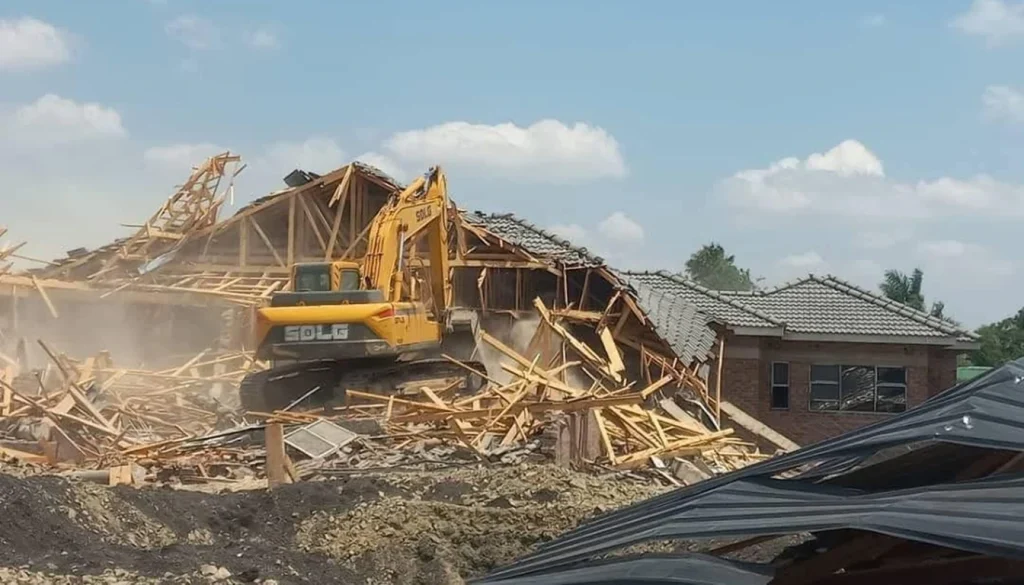
Methro Masunga woke before dawn to the sound of bulldozers. The Harare demolitions that flattened her home in St Martins Extension on August 14 ended years of work in a single morning.
Years of Sacrifice
Masunga, 28, is a single mother of three. She cleaned houses and washed laundry for five years to afford a residential stand. She started paying in 2015, received her allocation in 2019, and says the arrangement was formalised with the city council in 2020. Now she lives in a makeshift shelter on the same ground.
She is not alone. Joachim Nhete used his retirement package to buy land and build, putting in more than $10,000. He had no insurance. Former street vendor Memory Chengeta is also homeless.
Two Sides of the Dispute
The city council says it is enforcing planning rules against structures built without approval or on land not meant for housing. Spokesperson Stanley Gama said owners had been warned many times. Residents say they bought through council-linked processes and hold allocation letters and sale agreements.
A key point is a consent order from October 2025 that protected named applicants in St Martins from demolition without a valid court order. It did not cover every property, and it is unclear whether Masunga’s or Chengeta’s homes were included. The council says it did not touch protected homes.
The scale is large. Council records seen by Al Jazeera list more than 5,000 houses facing demolition under 37 outstanding High Court orders.
What the Law Says
Zimbabwe’s Constitution bars demolishing a home without a court order. National policy also calls for alternative accommodation before relocations. Residents say none was offered.
The problem goes back to land administration. A 2019 inquiry found unauthorised sales and weak record-keeping, with land barons selling state land. Harare South MP Trymore Kanopula wants demolitions paused until allocations are audited.
Until someone answers who sold these stands and who approved them, families like Masunga’s carry the cost.
Read More
Greenhouse Gas Emissions: Who Is Really Warming the Planet, and Why Africa Is Paying the Bill
Egypt Train Crash: Survivors Recall Moments of Terror as Seven Die South of Cairo
Oil Prices Slip as Trump Says New Iran Attacks Are “Highly Unlikely”
ANC Coalition Talks Begin After the Party’s Worst Election Result Since 1994
South Africa ANC Vote Slumps to 32%: What the Municipal Results Mean for Mzansi
