
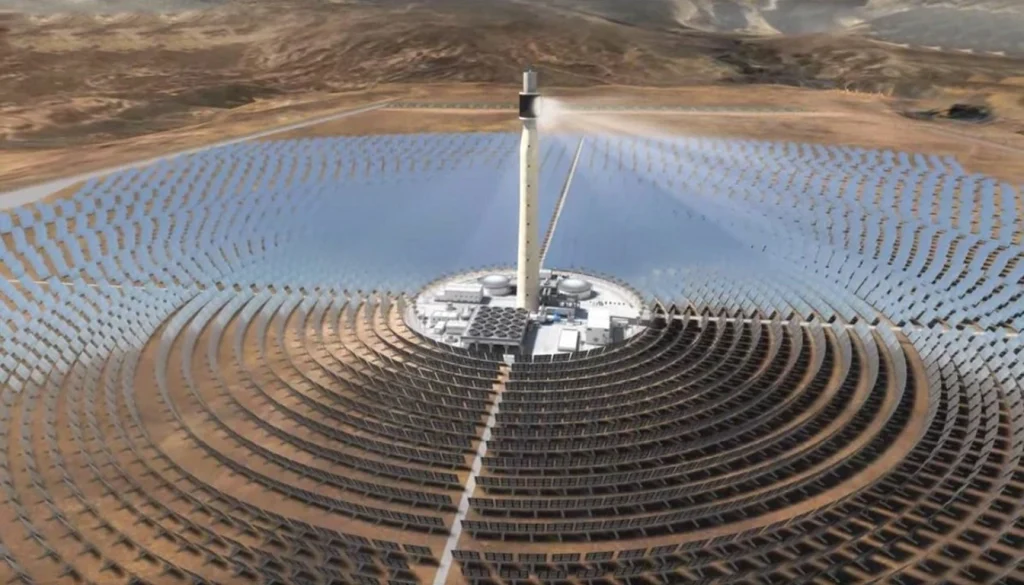
For millions of Africans, the nearest reliable signal is a long walk, a motorbike ride or a hilltop away. Solar-powered internet is changing that, because it brings connectivity to places the national grid has never reached. Instead of waiting years for power lines, communities are now plugging into the one resource Africa has in abundance: sunshine.
The Gap That Electricity Left Behind
Connectivity in Africa has always followed the power grid. A mobile mast needs electricity to run, and where there are no power lines, operators have traditionally relied on diesel generators. Diesel is expensive to buy, hard to transport over bad roads and easy to steal. For a company deciding where to build, a village of a few hundred people at the end of a dirt track rarely makes the numbers work.
The result is a gap that shows up in every survey. Industry bodies such as the GSMA and the ITU have repeatedly found that Africa has the lowest internet use of any region. A large share of people live within reach of a mobile signal yet still do not use it, mostly because of cost, devices and skills. But millions more live in places with no signal at all, and those are the places solar is built for.
How Solar Internet Africa Projects Actually Work
The idea is simple, even if the engineering takes care. Solar panels charge a battery bank during the day. That battery powers a small base station, a Wi-Fi access point or a satellite terminal through the night. No grid, no generator, no monthly fuel run.
Some projects pair this setup with a wireless backhaul that carries the signal from a distant fibre point. Others use satellite dishes powered by a few panels and a battery. Either way, the principle behind solar-powered technology is the same: generate locally, use locally, and keep running costs close to zero once the equipment is in place.
Companies and social enterprises across the continent have tested versions of this model. Kenya’s Mawingu, for example, built solar-powered networks that sold affordable data to rural households, schools and small businesses. Several telecom operators have also begun fitting solar and battery systems to remote towers to cut their fuel bills and keep sites running when the grid fails.
Off-Grid Internet Hubs at the Heart of the Village
Not every household can afford its own connection, and that is where off-grid internet hubs come in. A hub is usually a small solar-powered room or container, often at a school, a clinic, a market or a community centre. People walk in, charge their phones, connect to Wi-Fi and get online.
These hubs tend to become more than a place to browse. In many communities they turn into a shared office, a training room and a meeting point. A teacher downloads lesson plans. A young person applies for a scholarship. A trader checks the price of maize in the next town before deciding where to sell. One well-placed hub can serve an entire district, and because it runs on the sun, it keeps working during the blackouts that knock out connections elsewhere.
Farmers, Students and Traders: Who Benefits First
The first people to feel the difference are often the ones who were most cut off.
Farmers use mobile apps to check weather forecasts, learn about pests and compare market prices. Knowing when rain is likely can change when they plant. Knowing the real price of their crop can stop a middleman from underpaying them.
Students gain access to learning materials that never reach rural libraries. During school closures in recent years, children without connections simply fell behind. A solar-powered school hub means a lesson is not lost when the road is flooded or the teacher is absent.
Small traders can accept mobile money, order stock and reach customers outside their village. In much of Africa, mobile money is already how people save and pay. Reliable rural internet connectivity makes that system work in places where cash is still the only option.
Health workers can consult doctors in the city, report disease outbreaks and look up treatment guidelines. For a nurse alone in a remote clinic, a signal can be the difference between guessing and knowing.
Why Renewable Energy in Africa Makes Business Sense
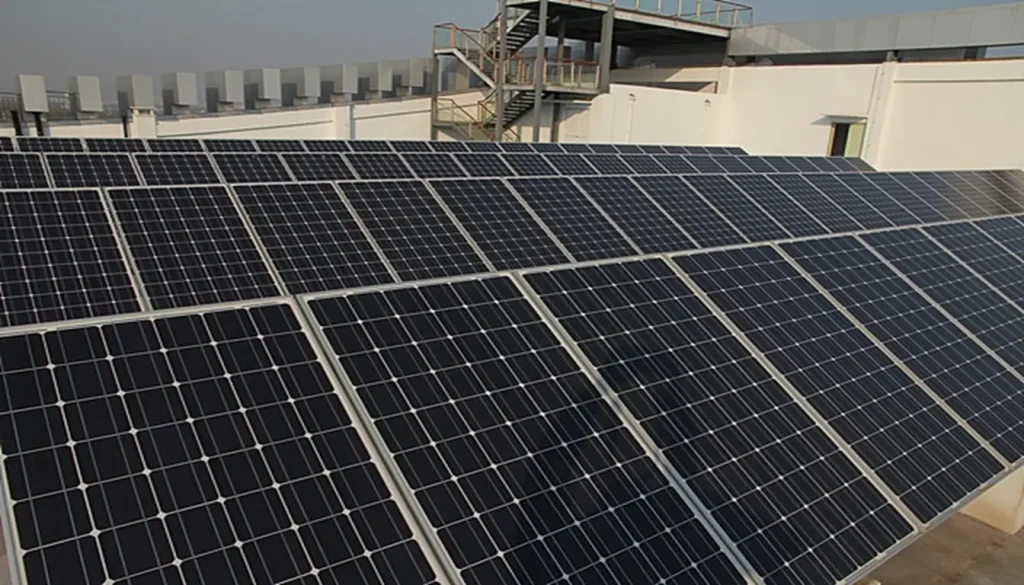
It is tempting to see solar as a feel-good choice, but the argument is mostly financial. Panel and battery prices have fallen sharply over the past decade. Diesel prices swing, and delivering fuel to remote sites eats into margins. Once a solar system is installed, the fuel is free.
That is why renewable energy in Africa is moving from a side project to a core part of network planning. Operators get lower running costs and fewer outages. Communities get a connection that does not vanish whenever a generator runs dry. And the whole model produces far fewer emissions than burning diesel on hundreds of remote sites.
The sun is also reliable in the regions where it matters. Much of the continent receives strong sunlight for most of the year, which gives solar an advantage that few other regions can match.
The Hurdles Nobody Should Ignore
It would be dishonest to pretend this is easy. Equipment can be damaged by dust, heat or storms. Batteries wear out and need replacing, and without trained local technicians, a small fault can leave a hub dark for weeks. Theft of panels and batteries is a real problem in some areas.
Cost is the biggest barrier of all. Even with a signal, many families cannot afford a smartphone or enough data. Language is another gap, since much online content is in English or French, not in Hausa, Swahili, Yoruba or Amharic. And digital skills matter. A connection is only useful if people feel confident using it.
The projects that last tend to share a few habits. They train local people to maintain the equipment. They involve village leaders from the start. They price data so that ordinary households can afford it. And they treat the community as a customer and a partner, not a charity case.
What Real Digital Inclusion in Africa Requires
Digital inclusion in Africa will not come from one technology alone. It needs policy that lowers the cost of spectrum and imports. It needs governments that include rural areas in universal service funds. It needs banks willing to finance small operators. And it needs local content that speaks to people in the languages they use every day.
Solar is the piece that unlocks the rest. By removing the dependence on the grid, it makes the economics of internet access in remote communities workable for the first time. Every new solar-powered site is a place where a child can search for an answer, a farmer can read a forecast and a small business can reach a wider market.
A Brighter Signal Ahead
The sun has always powered life across Africa, from drying crops to warming mornings. Now it is powering something new: a link between isolated villages and the rest of the world. The technology is already proven. What remains is the work of spreading it fairly, keeping it running and making sure that the people it is meant to serve are the ones who shape it.
If that happens, a remote village will no longer be a place the network forgot. It will simply be another place where the lights, and the signal, come on at dawn.
Read More
Greenhouse Gas Emissions: Who Is Really Warming the Planet, and Why Africa Is Paying the Bill
Egypt Train Crash: Survivors Recall Moments of Terror as Seven Die South of Cairo
Oil Prices Slip as Trump Says New Iran Attacks Are “Highly Unlikely”
ANC Coalition Talks Begin After the Party’s Worst Election Result Since 1994
South Africa ANC Vote Slumps to 32%: What the Municipal Results Mean for Mzansi
