
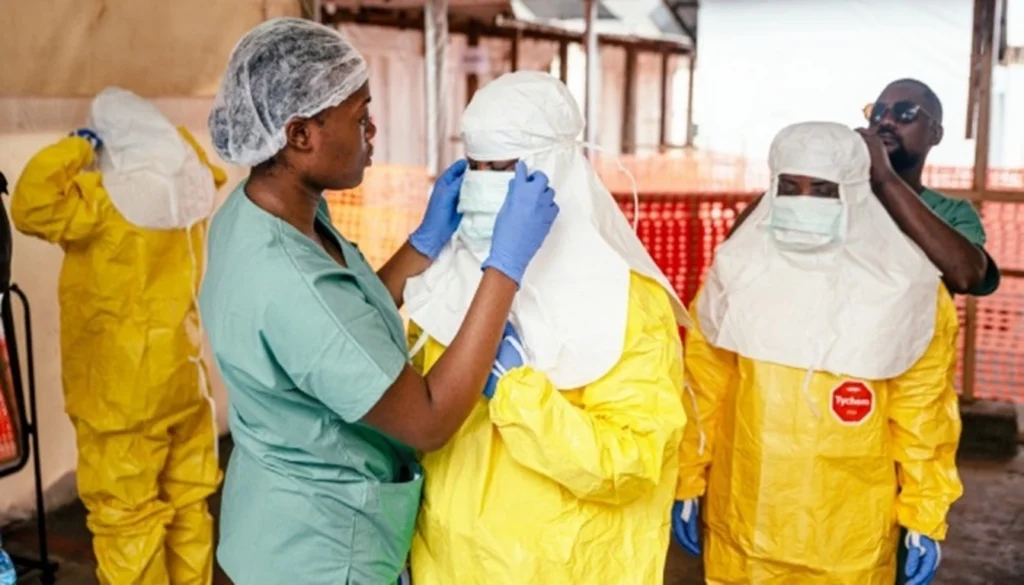
Nigerians can breathe a little easier this week. Nigeria Ebola monitoring has officially ended after 21 days with no secondary transmission, according to the Nigeria Centre for Disease Control and Prevention (NCD).
A careful 21 days
The story began on October 20, when Nigeria confirmed its first Ebola case in more than a decade. The patient was a Swiss woman who had travelled to Uganda before returning to Nigeria. She and her husband were evacuated to Switzerland, where she recovered fully and left hospital.
Health workers then traced and tracked 62 contacts. None of them developed the disease. Thirteen reported fever or similar vague symptoms along the way, but every one tested negative. The NCDC also looked into seven alerts across five states over three weeks, and all seven came back negative too.
Why this is not the finish line
The NCDC was clear that finishing contact monitoring does not mean the outbreak is over. Under World Health Organization rules, a country must complete a 42-day countdown after the last confirmed patient recovers or leaves before it can declare an end. So Nigerians still need to stay alert.
The bigger picture across Africa
The wider outbreak remains serious. It began in Ituri, in eastern Democratic Republic of the Congo, in May. Cases have since appeared in eight Congolese provinces, plus Uganda, France, Kenya and Nigeria. In the DRC it is the second-largest Ebola outbreak on record, with more than 11,000 infected and over 5,000 dead, according to government data.
The strain behind it is Bundibugyo, and there are no approved vaccines or treatments for it. That makes early detection, contact tracing and public awareness the best defences available.
Lessons from Nigeria’s response
Nigeria has done this before. In 2014 the country contained an Ebola outbreak that many feared would spiral in Lagos. This time again, quick tracing and testing appear to have kept one imported case from becoming many.
For everyday Nigerians, the advice stays simple. Wash hands often, avoid contact with the bodily fluids of anyone who is sick, and report suspected cases to health authorities rather than hiding them. Trust in health workers matters just as much as any laboratory.
The NCDC’s work shows what strong surveillance can do. If neighbouring countries can match it, Africa stands a better chance of stopping this outbreak before it spreads further.
Read More
Gambia Presidential Election: Five Candidates, One Big Test for Barrow
Uganda Succession Showdown: Ruling Party Slams the Door on Museveni’s Son
Eswatini Foreign Businesses Get a One-Year Countdown to Leave
African Oil Exports Get a Boost as Asia Shops the Atlantic
Senegal Wrestlers Turn Sand Into Gold at the Dakar Youth Olympics
